Preventing Falls: Simple Steps To Protect Your Independence
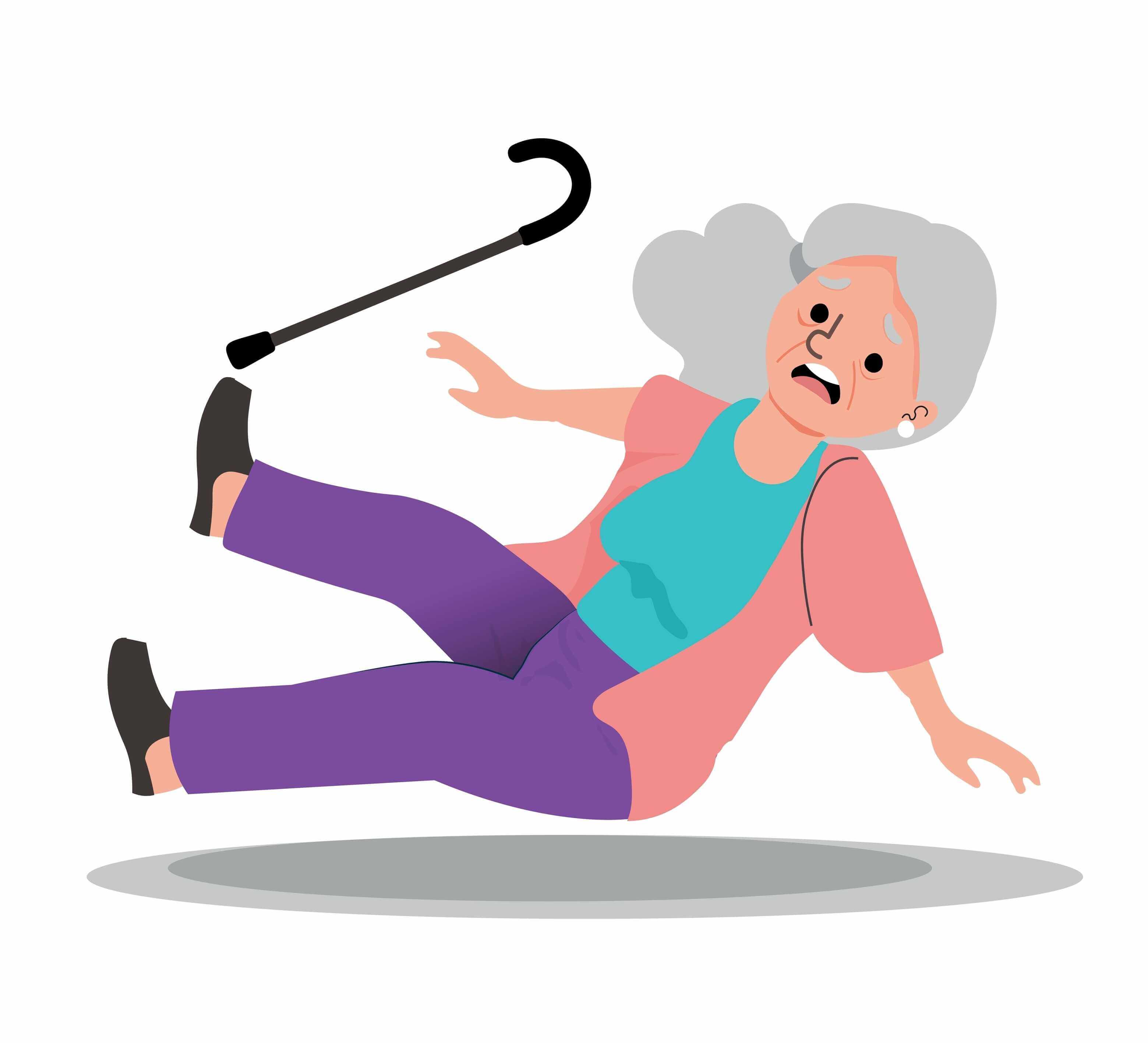
For older adults, a fall can be much more than a temporary setback. It can lead to serious injury, hospitalization, loss of independence and, in severe cases, paralysis or death. The good news is that many falls can be prevented by identifying risks early and taking steps to minimize them, particularly by eliminating safety hazards at home and improving strength, balance and endurance. According to the U.S. Centers for Disease Control and Prevention (CDC), falls are the leading cause of injury among adults 65 and older, and more than 14 million older Americans — about one in four — report falling each year. The consequences can become increasingly serious with age. A large study using the Swedish Fracture Register, published in the Journal of Clinical Medicine, found that 24.5% of patients age 80 and older who sustained a fracture died within the following year, with femur fractures among those associated with the highest mortality rates.
Who Is Most at Risk?
One of the strongest warning signs is simple: Have you fallen before? A previous fall should never be dismissed as just an accident. In fact, falling once doubles your chances of falling again. People with neuropathy, particularly in their feet, may also be at greater risk because reduced sensation can make it harder to know where their feet are positioned. Diabetes is a common cause of peripheral neuropathy. Weakness in the legs, hips and core can further reduce the ability to maintain balance or recover from a stumble. If you feel unsteady, have fallen previously or notice increasing weakness, talk with your primary care provider or a physical therapist. Depending on your symptoms, further neurological or vascular evaluation may also be appropriate. Balance, strength and walking assessments can help identify areas that need attention.Strengthen Your Foundation
Maintaining leg, hip and core strength is an important part of fall prevention. Simple exercises may include sit-to-stands from a sturdy chair, step-ups using a secure handrail, and bridging, performed while lying on your back and gently raising your pelvis. Exercises should always be appropriate for your individual abilities. If you are already unsteady, do not begin exercises that could increase your risk of falling without first being evaluated by your doctor or physical therapist.Make Your Home Safer
Fall prevention also means looking at your surroundings. Remove loose throw rugs and other tripping hazards. Keep walking paths clear and install nightlights between the bedroom and bathroom. Wear supportive footwear and use a cane or walker if recommended by a healthcare professional. An assistive device is not a loss of independence — it can be a tool for preserving it. Most importantly, do not wait for a serious fall before taking balance problems seriously. A physical therapist can evaluate strength, balance and mobility and develop a program to address areas of weakness. In New York State, qualified physical therapists can provide treatment without a physician referral, although insurance coverage may require one. Staying strong, making your home safer and addressing balance problems early can help you remain active, healthy, confident and independent.Popular Products
-
 Fake Pregnancy Test
$61.56$30.78 -
 Anti-Slip Safety Handle for Elderly S...
$57.56$28.78 -
 Toe Corrector Orthotics
$41.56$20.78 -
 Waterproof Trauma Medical First Aid Kit
$169.56$84.78 -
 Rescue Zip Stitch Kit
$109.56$54.78