What A Senior Living Community Offers Beyond Just A Place To Stay
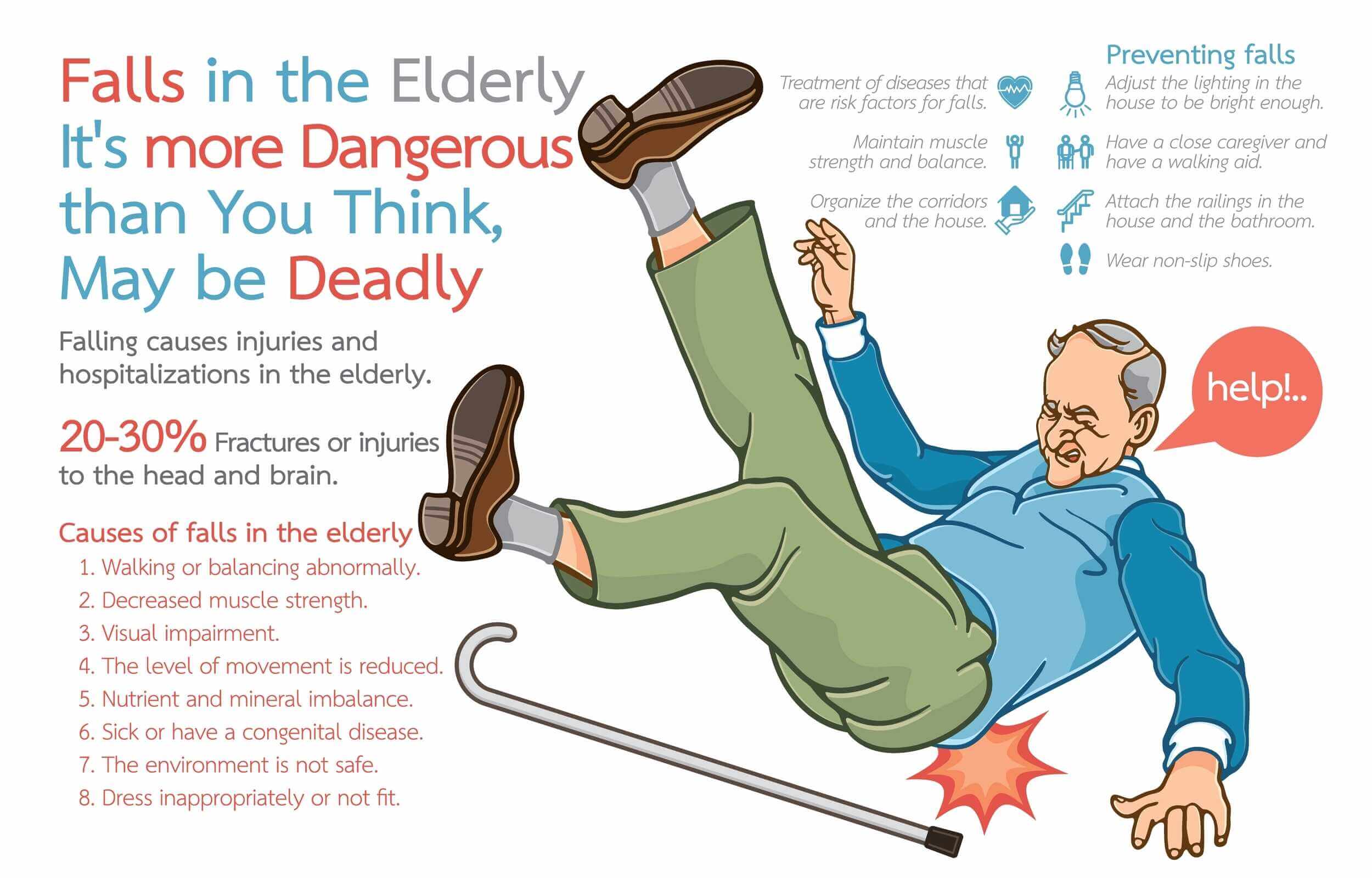
A senior living community can offer much more than a private room and routine assistance. It may provide social connection, nutritious meals, health-focused programming, and help with daily tasks. Residents can preserve personal preferences while receiving care that reflects changing abilities. Families also gain regular communication and reassurance from trained professionals. The strongest settings combine independence with practical safeguards, giving older adults meaningful ways to spend their time, maintain relationships, and protect personal dignity.
A Familiar Setting With Added Support
Choosing a residence involves more than comparing floor plans or monthly fees. Older adults often need easier transportation, fewer household duties, and dependable assistance without surrendering familiar routines. A senior living community in Nashville can bring those needs together through personal care, social opportunities, and accessible surroundings. The right setting lets residents make daily choices while trained staff remain available when circumstances require extra help.
Services That Simplify Everyday Routines
Housekeeping, laundry, transportation, and maintenance can reduce physical strain in daily life. Staff may also assist with bathing, dressing, grooming, mobility, or medication reminders. Care should match a person’s abilities, not replace tasks they can still manage. This measured approach protects autonomy while reducing fall risks, missed doses, and fatigue linked to demanding household responsibilities. Residents then have more energy for rest, recreation, and relationships.
Wellness That Supports Whole-Person Health
Effective wellness programming addresses strength, balance, nutrition, sleep, cognition, and emotional health. Exercise classes may improve lower-body power, joint mobility, and confidence during movement. Balanced meals help maintain energy, muscle tissue, and bowel regularity. Cognitive activities encourage attention and recall, while quiet practices may reduce stress. Staff can monitor changes and communicate concerns promptly, supporting earlier clinical evaluation when necessary.
Friendships and Belonging
Regular contact with peers can ease loneliness and strengthen emotional health. Shared meals offer natural conversation, while clubs give residents a reason to gather around familiar interests. Music, card games, celebrations, and group outings add structure without making every day feel predictable. Staff members also become recognizable sources of encouragement. Meaningful interaction can improve mood, reinforce confidence, and encourage participation in daily activities.
Learning and Personal Growth
Age does not end intellectual curiosity. Classes in history, art, technology, or local culture can stimulate attention and invite thoughtful discussion. Residents may teach a skill, lead a conversation, or contribute knowledge from a long career. These roles reinforce competence and identity. A varied calendar gives older adults opportunities to pursue interests that may have received little time during working years or family caregiving.
Dining as a Daily Experience
Nutrition and dining satisfaction both affect quality of life. Menus should offer adequate protein, fiber, fluids, and nutrients, with modifications for diabetes, swallowing concerns, allergies, or prescribed diets. Pleasant dining rooms encourage conversation and regular meal patterns. Seasonal dishes, family dinners, and cooking demonstrations create anticipation. Flexible choices also respect appetite, cultural preferences, and individual health recommendations.
Safety Without Losing Independence
Safety measures should protect mobility rather than restrict it. Handrails, adequate lighting, nonslip flooring, accessible bathrooms, and emergency response systems can reduce preventable injuries. Trained staff can help during urgent situations or periods of confusion. Residents benefit from nearby support while continuing to choose activities, clothing, meals, and visitors. Thoughtful design supports confidence without making the environment feel institutional.
Care Choices That Can Change Over Time
Health needs may shift after surgery, illness, memory changes, or reduced balance. A residence with independent living, assisted services, and memory care can respond without forcing an immediate move. Families should review staffing, assessment procedures, medication practices, and clinical partnerships before selecting a setting. Clear care plans help each resident receive appropriate assistance while preserving familiar routines, relationships, and personal preferences.
Family Connection and Reassurance
Relatives remain important members of the care team. Consistent updates can explain changes in appetite, sleep, mood, mobility, or participation. Visits, shared meals, and scheduled events help families stay connected to everyday experiences. Staff can also discuss care planning, memory symptoms, fall prevention, and advance directives. Respectful communication builds trust and gives relatives practical information for informed decisions.
Conclusion
A senior living community can offer a complete lifestyle, not just housing. Daily assistance, clinical awareness, nutritious dining, purposeful activities, and social connection all contribute to healthier aging. Residents retain choices while gaining safeguards suited to their abilities. Families receive clearer communication and dependable help nearby. With careful evaluation, older adults can select a setting that supports comfort, dignity, physical function, emotional health, and meaningful engagement through each stage of later life.
The post What a Senior Living Community Offers Beyond Just a Place to Stay appeared first on Fort Worth Weekly.
Popular Products
-
 Smart GPS Waterproof Mini Pet Tracker
$59.56$29.78 -
 Unisex Adjustable Back Posture Corrector
$71.56$35.78 -
 Smart Bluetooth Aroma Diffuser
$585.56$292.87 -
 Enamel Heart Pendant Necklace
$49.56$24.78 -
 Digital Electronic Smart Door Lock wi...
$211.78$105.89