Why Can Japanese 80-year-olds Climb Stairs While Western 60-year-olds Struggle? The Answer Is 6 Simple Movements
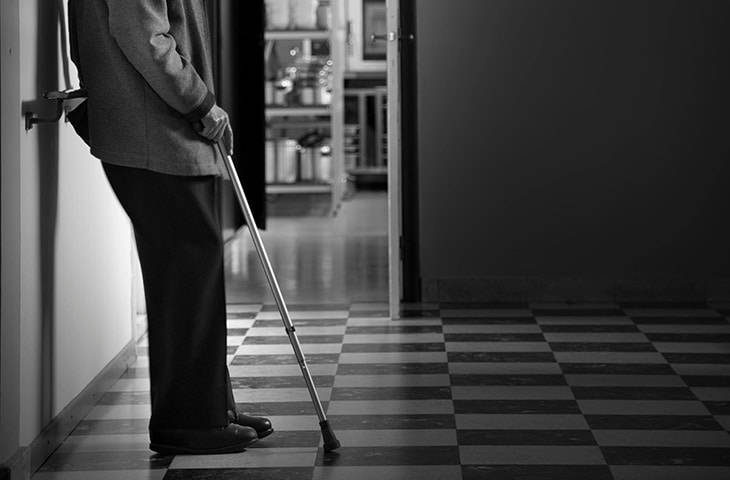
Japan holds a secret that Western medicine is only beginning to understand.
People in their 70s and 80s walk confidently, climb stairs without hesitation, and rise from the floor with ease.
This isn’t about genetics or luck—it’s about a deliberate approach to maintaining leg strength that researchers are calling revolutionary.
While Western studies show leg strength declining rapidly after 50, leading to loss of independence and increased fall risk, Japanese elders move through life with remarkable mobility well into their later years.
The Hidden Power of Strong Calves
Japanese longevity practices treat calves as priority muscles, not afterthoughts. These muscles function as a second heart, pumping blood back toward the heart with every contraction.
Weak calves correlate strongly with poor circulation, slower walking speed, and instability—especially after 60. Research confirms that calf strength directly impacts balance and independence in older adults.
How to Perform Heel Raises
Stand tall with feet hip-width apart. Slowly rise onto your toes, lifting heels as high as possible.
Pause for one to two seconds at the top. Lower back down with control—no bouncing or rushing.
- Starting point: Two sets of 15 repetitions
- Progression goal: Three sets of 20 repetitions
- Support: Use a wall or chair for balance if needed
This simple exercise makes walking smoother, reduces ankle swelling, and improves balance with every step.
Walking as Active Meditation
Japanese culture transforms ordinary walking into a mindfulness practice that strengthens legs while training proper mechanics.
Instead of rushing, practitioners emphasize awareness of each step: heel touching first, then midfoot, finally toes pushing off. This retrains movement patterns while building strength and coordination.
The Slow Walking Method
Walk four to five times slower than normal speed. Focus completely on how each foot meets the ground.
Breathe deeply every few steps. Just three to five minutes daily improves circulation, balance, and walking confidence.
For older adults, this habit dramatically reduces fall risk while requiring no equipment or gym membership.
Building Functional Strength Safely
Wall squats represent one of the safest leg-strengthening exercises for people over 60. Because the back stays supported, legs can work intensely without unnecessary knee stress.
This movement strengthens quadriceps, glutes, and core—the exact muscles needed for standing up, sitting down, and climbing stairs.
Proper Wall Squat Technique
- Stand with back against a wall, feet about 12 inches away
- Slide down until thighs approach parallel with the floor
- Keep knees aligned with ankles, never extending past toes
- Breathe normally throughout the hold
Start with 15 to 20 seconds. Gradually build toward 60-second holds.
Critical distinction: You should feel muscle burn, not joint pain. With consistent practice, everyday movements become noticeably easier.
Balance Training Prevents Falls
Most older adults fall not from weakness but from poor balance. Standing on one leg activates dozens of small stabilizing muscles in ankles, knees, hips, and core.
These muscles rarely receive training yet prove essential for fall prevention.
In Japan, seniors often practice this while brushing their teeth or waiting for water to boil.
Stand near a wall or chair for safety. Shift weight onto one leg and lift the other foot slightly off the ground.
Fix your gaze on a point ahead. Keep breathing naturally. Start with 10 to 15 seconds per leg, progressing toward 45 to 60 seconds.
Daily practice strengthens balance faster than almost any other intervention.
Ancient Martial Arts Meet Modern Longevity
The horse stance—known as kibadachi in Japanese martial arts—represents grounded strength and stability. This posture builds powerful thighs, hips, and core without impact.
Constant muscle tension teaches legs to support body weight for extended periods, exactly what real life demands.
Horse Stance Form
Stand with feet wider than shoulder width. Bend knees and lower hips as if sitting into a wide, invisible chair.
Keep torso upright and weight evenly distributed. Begin with 10 to 15 seconds, working toward 60 to 90 seconds.
Important: Thighs should burn. Joints should not. This stance builds deep foundational leg strength that translates directly to daily activities.
The Floor-Sitting Advantage
Unlike Western cultures that rely heavily on chairs, Japanese people often rest on the floor using deep squats as natural resting positions.
This habit keeps leg muscles active even during rest, strengthening thighs, glutes, hips, and core while maintaining joint mobility.
Mastering the Resting Squat
Stand with feet shoulder-width apart. Slowly lower hips toward the ground, keeping heels flat and chest upright.
Maintain a neutral spine. Use support if needed initially.
- Initial goal: 15 to 20 seconds, several times daily
- Long-term target: Two to three minutes comfortably
- Benefit: Dramatically improves ability to stand, walk, and move without assistance
Freedom Through Movement
Strong legs aren’t about athletic performance. They represent freedom—freedom to walk without fear, stand without pain, and live independently as years progress.
Japanese culture understands something most people learn too late: protecting leg strength means protecting quality of life.
If you protect your legs, you protect your life.
Start small with just one or two exercises. Build consistency before adding complexity.
Let your body rebuild its strength through simple, proven habits practiced daily. These six movements require no equipment, no gym membership, and minimal time investment.
What they do require is commitment to your future mobility and independence. Research consistently shows that leg strength predicts longevity, fall risk, and quality of life better than almost any other physical marker.
The Japanese approach proves that maintaining powerful legs into advanced age isn’t luck or genetics—it’s methodology applied consistently over time.
Popular Products
-
 Orthopedic Shock Pads For Arch Support
$71.56$35.78 -
 Remote Control Fart Machine
$80.80$40.78 -
 Adjustable Pet Safety Car Seat Belt
$57.56$28.78 -
 Adjustable Dog Nail File Board
$179.56$89.78 -
 Bloody Zombie Latex Mask For Halloween
$123.56$61.78