How Social Security Clawbacks Work After A Death
When a loved one passes away, sorting through their financial estate is often the last thing family members want to manage. However, the Social Security Administration (SSA) operates under a zero-tolerance calendar rule: to legally keep a month's benefit check, you must survive every single second of that calendar month.
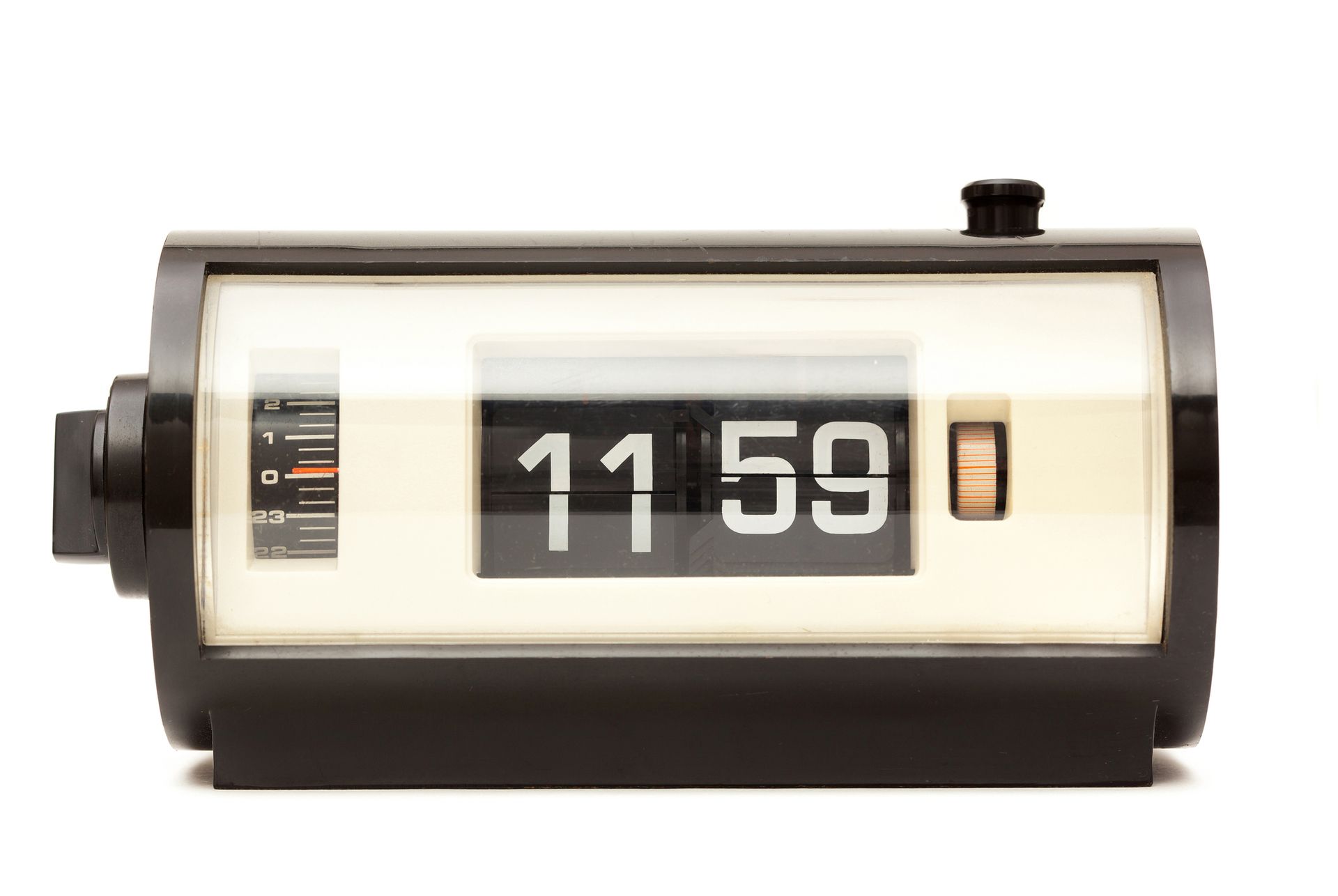
If a beneficiary dies on December 31st at 11:59 PM, they did not live through December, and that payment must be returned in full. Because Social Security pays a month in arrears — meaning the payment arriving in January is actually for December — that post-death direct deposit feels like a natural final installment. In reality, it is a government overpayment waiting to be reclaimed.
Here is how the government reclaims your final check, what happens when that money gets accidentally spent and the legal issues most families overlook.
The "must live the entire month" rule
The foundational rule governing post-death Social Security payments is simple but strict: if a beneficiary passes away on December 30th, they are alive for 30 of the 31 days. Because they did not survive the full calendar month, the SSA treats them as entitled to $0 for December.
Social Security payments are distributed a month behind. The check or direct deposit that lands in an account in January actually represents the benefit for December.
How the money disappears automatically
You typically do not need to manually write a check to return the funds. As soon as a death is reported (usually by the funeral home or family), the SSA alerts the U.S. Treasury. The Treasury issues an automated clawback order directly to the bank, pulling the direct deposit right back out of the account.
If a physical check arrives in the mail after the date of death, it cannot be legally cashed or deposited — even by an executor. It must be returned uncashed to the SSA immediately.
What happens if the money gets spent?
If an executor, surviving spouse or heir spends that direct deposit — or if automated bills draft out of the account before the Treasury executes its clawback — the SSA triggers a formal Overpayment Notice. Once issued, federal collection machinery kicks into gear:
- Bank account overdrafts: If automatic monthly expenses (like a mortgage, utilities or credit cards) drain the account balance first, the Treasury’s incoming clawback might pull the funds anyway. This leaves the account in a negative balance, triggering bank overdraft fees that the estate must satisfy.
- Treasury offset program (TOP): If the money cannot be pulled from the bank account, the debt is referred to federal debt collection. The Treasury can seize future state or federal income tax refunds belonging to the estate or co-obligors to recover the balance.
- Reduction of survivor benefits: While the SSA cannot take money from Social Security benefits you earned on your own work history, it can recover a deceased spouse's debt by withholding funds from any monthly survivor benefits paid out on their earnings record.
- The lump-sum death payment: The SSA can withhold all or a portion of the lump-sum death benefit to cover the overpayment
Odds and ends: interest, assets and executor liability
Beyond basic repayment notices, several legal mechanisms catch estates off guard:
Is interest charged on the overpayment?
Generally, no — provided you cooperate. SSA overpayment claims do not accrue interest during normal administrative processing. However, if the matter goes ignored, gets referred to the Department of Justice, or enters formal court proceedings, statutory fees and administrative penalty charges can be added to the original debt.
Can the SSA freeze assets or bank accounts?
The SSA does not freeze real estate directly, but banks freeze accounts instantly.
- When a bank learns of an account holder's death or receives an administrative reclamation order from the Treasury, it will routinely freeze the account to prevent unauthorized withdrawals. Even joint bank accounts may be frozen upon a spouse’s death, depending on the financial institution.
- For non-bank estate assets (like property or brokerage accounts), the SSA files a formal priority creditor claim against the probate estate. This is a last resort and not a first step.
Can the executor be personally on the hook?
Yes — if the executor distributes estate funds prematurely. Under federal law (31 U.S.C. § 3713, known as the Federal Priority Statute), debts owed to the U.S. Government — such as a Social Security overpayment — take priority over general estate distributions. In this case, the overpayment claim takes priority over all debts but reasonable funeral expenses, reasonable administrative fees (including executor fees) and debts secured by valid, perfected liens. (SSA debts are unsecured.)
If an executor distributes cash to heirs or pays off general debts (such as credit cards or personal loans) before satisfying the SSA's overpayment claim, the executor can be held personally liable for the debt out of their own personal pocket.
Eventually, they will come for the money
The Trump administration has made ending improper payments to deceased beneficiaries a priority. In February 2026, Congress passed, and the President signed, the Ending Improper Payments to Deceased People Act, giving Treasury permanent access to the Social Security Full Death Master File.
In a July 21, 2026 press release, the U.S. Department of the Treasury and the Bureau of the Fiscal Service announced "the successful implementation of a new government-wide payment verification process that helps stop federal payments from being sent to deceased individuals, fulfilling a key requirement of Executive Order 14249, Protecting America's Bank Account Against Fraud, Waste, and Abuse."
So, if a glitch in the system allows payments to continue, contact the SSA as soon as possible. Don't spend the money and expect to return it later. Any uncashed checks may be returned directly to the local SSA field office or mailed back using the address on the envelope. For improper payments made by direct deposit, you should notify the bank of your family member's death and request that the bank return any funds received for the month of death or thereafter.
Related Content
Popular Products
-
 Wireless Health Tracker Smart Ring - R11
$131.56$65.78 -
 Electric Hair Straightener and Curlin...
$161.56$80.78 -
 Pet Oral Repair Toothpaste Gel
$59.56$29.78 -
 Opove M3 Pro 2 Electric Massage Gun
$901.56$450.78 -
 Portable Electric Abdominal Massager ...
$45.56$22.78