How To Spot Fresh Coffee And Stop Overpaying For Stale Beans
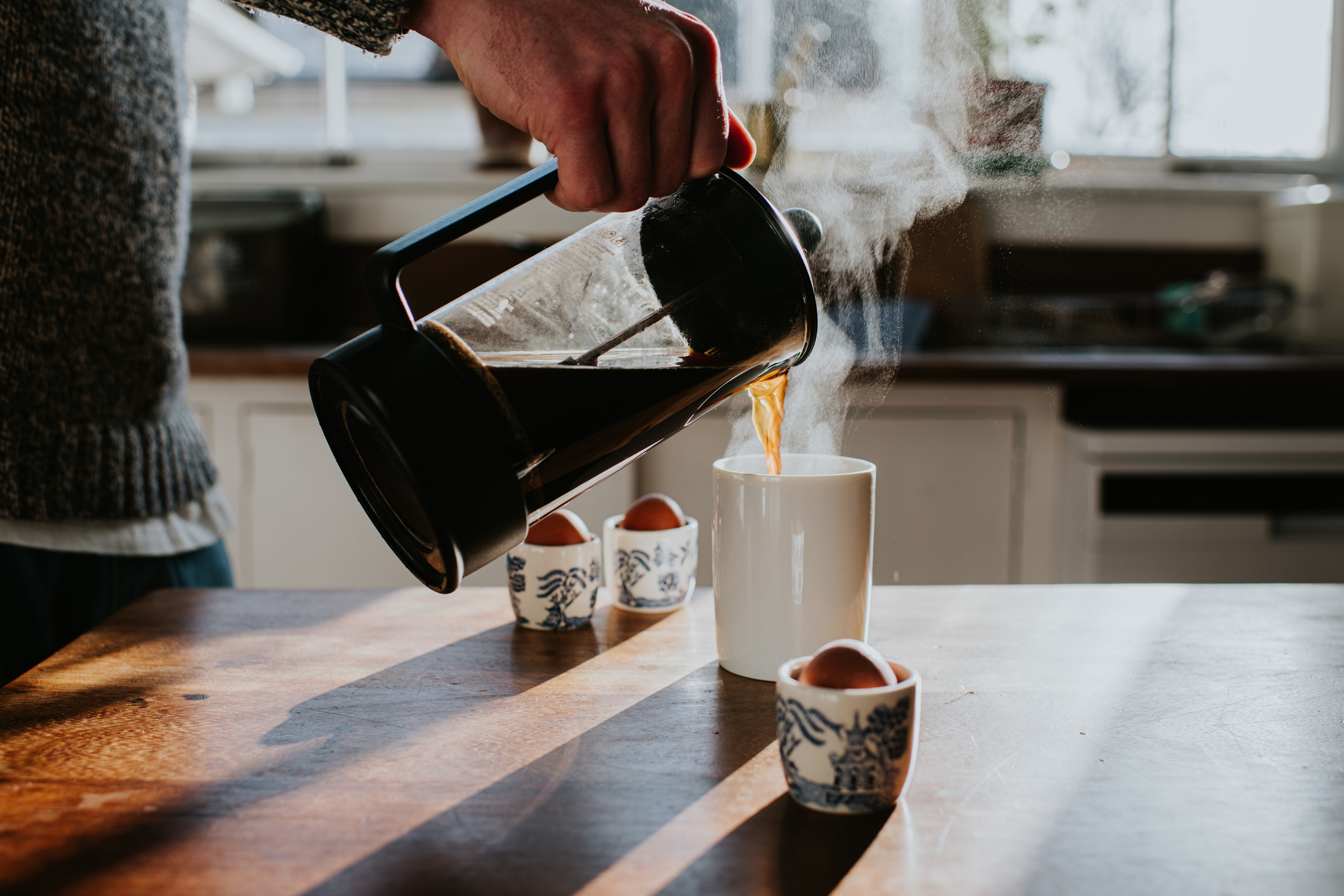
If you're like me, drinking coffee is one of the few relaxing parts of your day. Yet, do you ever think about the value you receive from your daily cups?
The thing is, coffee is a crop, but some companies don't treat it as such. Instead, they roast beans in large batches and ship them to grocery stores where they sit on shelves and lose peak freshness and taste.
With supply chain disruptions, geopolitical conflicts and climate change increasing coffee costs, you're paying a premium for logistics disguised as quality. Real freshness comes from transparent roasters that can show the methods behind their techniques. Here's what to look for to avoid the quiet cons in every coffee aisle.
A hidden factor that unlocks a coffee's true value
"The roast date is the true indicator," Kate Harner, a marketing and communications coordinator at Fresh Roasted Coffee Inc, a family-owned coffee roaster, tells Kiplinger. Yet, finding many coffee companies' roasting dates can be like finding a needle in the world's largest haystack.
"Many companies don't disclose the roasting date because then they would need to provide verifiable data," Harner says. And this is crucial too, given that coffee's peak freshness is within the first month after roasting.
That's why I won't buy coffee without a roasting date. I've also discovered that coffee brands that talk a big game usually don't deliver on freshness, taste or value.
Buying better coffee doesn't mean you'll spend less per bag. The key is to focus on the coffee's usability. If you open a bag from the grocery store and it only lasts a week or shorter, you're paying a premium for a product that doesn't last as long as it's intended, forcing you to spend more.
Here's a breakdown of coffee costs per type and the value each delivers:
Coffee Type | Estimated Cost/Bag | Cups per Bag (approx.) | Cost Per Cup | Value Analysis |
Grocery Store Commodity | $12.00 | 25–30 | $0.40 – $0.48 | High potential for "stale" beans and waste; lower flavor payoff. |
Premium Commercial Brand | $18.00 | 25–30 | $0.60 – $0.72 | Often relies on marketing buzzwords; lacks verifiable roast dates, resulting in stale coffee |
Fresh Roaster | $20.00 | 25–30 | $0.67 – $0.80 | You pay for freshness/transparency; consistent quality ensures every cup is drinkable. |
What to look for from your favorite coffee brands
Since you're not likely to find the information you want on your favorite coffee company's bag, you'll need to do a little detective work. Harner recommends looking for specific, verifiable signals revealing true freshness, rather than relying on "best by" dates.
When evaluating a brand, look for these indicators:
- A roast date: Unlike a "best by" date, which often obscures the coffee's true age, a printed roast date confirms when the coffee was actually prepared.
- Companies that roast to order: Look for brands that roast to order or in small batches, rather than large-batch roasters, where coffee sits on the shelf and loses flavor and freshness.
- Nitrogen flushing: Roasters focused on quality flush bags with nitrogen during packaging to remove any oxygen. This preserves the coffee's flavor until you're ready to brew it.
Beyond the packaging, Harner says, "Go to the company's site, research their roasting process, and find any sourcing or roasting certifications. Then, you can determine if the price truly matches the quality."
Choose substance over hype
Be skeptical of any coffee company promoting buzzwords like "clean", "mold-free," or "artisanal." These are not verifiable descriptions; instead, they serve as marketing gimmicks to justify higher prices.
True transparency resides in hard evidence. As you research a company, look for verifiable certifications, such as the USDA Organic seal or GMO-free labels. This transparency can reward you with better-tasting coffee and your wallet with better value with every cup.
Ultimately, the best coffee isn't the most expensive; it's the freshest. By ignoring the buzzwords and seeking out roasters that offer roasting dates, you ensure that every dollar you spend on coffee results in a cup worth drinking.
Related content
Popular Products
-
 Enamel Heart Pendant Necklace
$49.56$24.78 -
 Digital Electronic Smart Door Lock wi...
$211.78$105.89 -
 Automotive CRP123X OBD2 Scanner Tool
$649.56$324.78 -
 Portable USB Rechargeable Hand Warmer...
$61.56$30.78 -
 Portable Car Jump Starter Booster - 2...
$425.56$212.78