Should Couple In Their 50s Who Want To Retire Tap Into Rrsps Or Apply For Cpp?
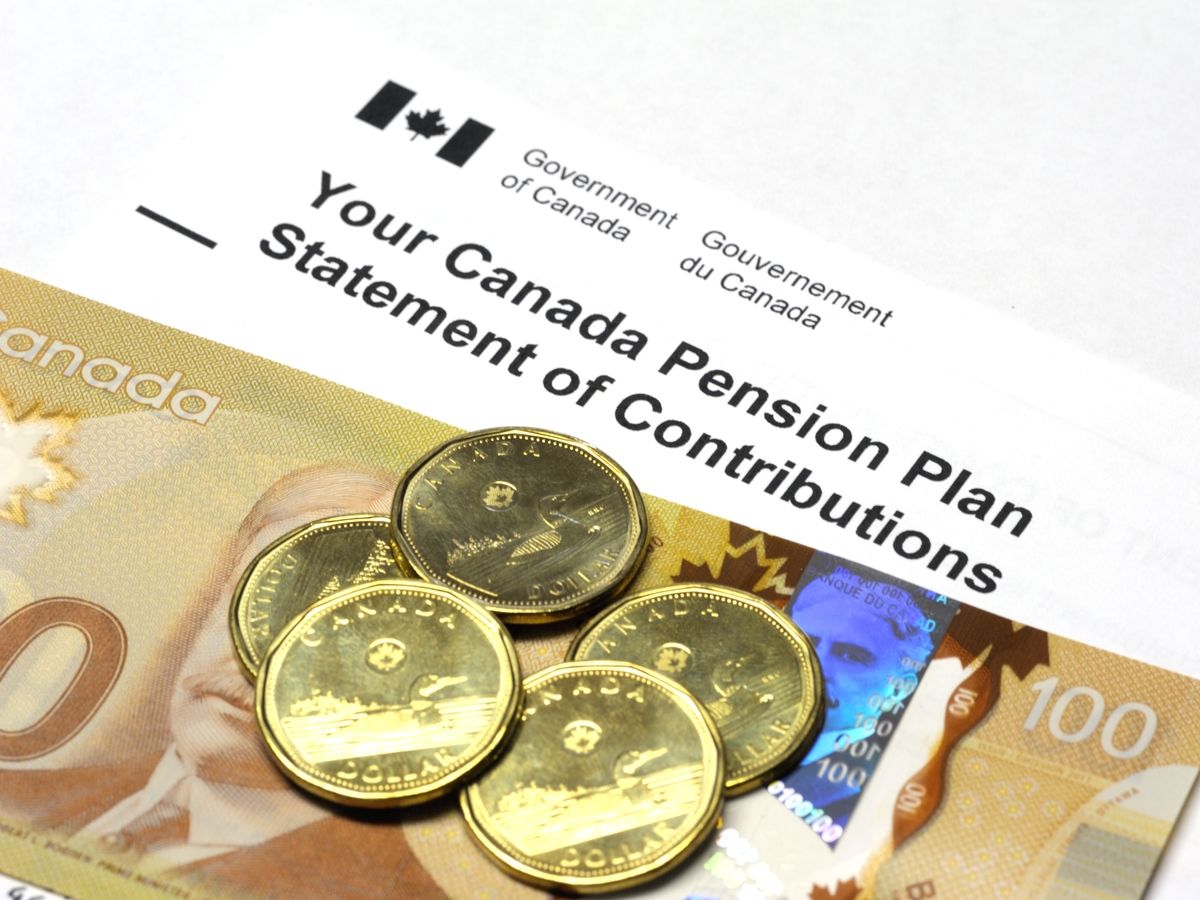
Now that both of their children have started their careers, are married and purchased their first homes, Timothy,* 57, and Margaret, 53, are ready to retire. Ideally, they both want to leave the workforce in two years when Timothy can retire with his full defined-benefit pension after 30 years of work.
“We’ve helped the kids with their weddings and down payments and want to start enjoying our next phase,” said Timothy. They plan to travel, spending winters in warm climates, and summers exploring Canada. Their desired travel budget in retirement is $20,000 a year. “Will we be able to maintain or increase this in retirement?” asked Timothy. “Or should we decrease it?”
Timothy currently earns about $115,000 and Margaret earns about $94,000 before tax. In 2028 Timothy’s annual pension income will be $46,200 before tax and Margaret’s will be about $49,000. Their annual pension income will drop to about $23,000 and $35,000, respectively, when they each turn 65. Their target combined annual income in retirement is $84,000 after tax. Their current annual expenses are $40,000.
Timothy and Margaret are mortgage-free and own a home in Ontario conservatively valued at about $750,000. They plan to stay as long as possible. Their investment portfolio includes $506,000 in registered retirement savings plans (RRSPs) invested in growth-oriented mutual funds and $208,000 in tax-free savings accounts (TFSAs) invested in guaranteed investment certificates (GICs) and exchange-traded funds (ETFs).
Timothy and Margaret anticipate they will need about $7,000 a month after tax during retirement to maintain their current lifestyle — more than their pension incomes will provide. They wonder: What is the most tax-effective way to make up the shortfall and avoid government clawbacks? Should they tap into their RRSPs or apply for Canada Pension Plan (CPP) benefits? At what age would it be most advantageous to start collecting their government pensions?
Most importantly, is retiring in two years feasible? Should they invest significantly in their mutual funds to make sure they can retire in 2028? If they do retire early, will their investments provide the income they need for the rest of their lifetimes?
What the expert says
The good news: Timothy and Margaret will be able to retire comfortably in two years thanks to living within their means and consistently making sound financial decisions, said Eliott Einarson, a retirement planner at Ottawa-based Exponent Investment Management. “They don’t have huge incomes, substantial wealth or enormous pensions, but their discipline reflects the wisdom of an old proverb, which states that money accumulated little by little will steadily increase over time.”
While their financial outlook is strong, Einarson said their focus now should be on developing a tailored retirement income plan that efficiently uses their current assets and pensions to address future cash flow needs. He recommended they start with a review of their retirement income goals.
“Their desired retirement income of $84,000 a year after tax includes a $20,000 travel budget and buffer for extra expenses that may come up. If they retire in two years, their combined unreduced pensions alone will total about $67,000 after tax until Timothy turns 65 — well above their current annual expenses of $40,000. They can supplement cash flow needs and continue to invest in their TFSAs with RRIF (registered retirement income fund) income for the next 35 years.”
Einarson said a retirement income plan should demonstrate that their pensions and government benefits will meet most of their future needs, even if their employer pensions have limited indexing guarantees.
He recommended Timothy and Margaret apply for CPP and Old Age Security (OAS) at age 65 and use registered investment income to address any shortfalls before then. He also suggested they continue to maximize contributions to their TFSAs each year. This will allow them to take advantage of tax-free growth without any mandatory withdrawals.
“At 65, the bridge benefits on their pensions will fall away, significantly reducing income. Waiting until 65 to tap into CPP will ensure a level income when combined with their pensions and that they will receive the maximum benefit, fully indexed for their lifetimes,” he said
“Income splitting pensions and registered income post 65 will give them a large tax advantage and allow them to avoid any OAS claw back while meeting their income targets and investing in their TFSAs.”
A retirement income plan will also allow Timothy and Margaret to compare the impact of different income targets, something Einarson recommends to ensure they are minimizing tax and maximizing TFSAs — their most powerful long-term assets — each year.
The goal is to draw down RRSPs while they are both alive and split this income because RRSPs are taxed at the highest rate on the death of the second tax payer. “Potentially taking a higher income, topping up TFSAs annually for longer-term compounding is a good strategy for survivor and estate planning,” said Einarson.
“Partnering with a professional on a retirement income plan can give Timothy and Margaret clarity about their future income sources, tax benefits from income splitting, how surplus income can fund TFSA contributions and projected net worth and estate growth,” he said.
*Names have been changed to protect privacy
Are you worried about having enough for retirement? Do you need to adjust your portfolio? Are you starting out or making a change and wondering how to build wealth? Are you trying to make ends meet? Drop us a line at wealth@postmedia.com with your contact info and the gist of your problem and we’ll find some experts to help you out while writing a Family Finance story about it (we’ll keep your name out of it, of course).
Popular Products
-
 Devil Horn Headband
$25.99$11.78 -
 WiFi Smart Video Doorbell Camera with...
$61.56$30.78 -
 Smart GPS Waterproof Mini Pet Tracker
$59.56$29.78 -
 Unisex Adjustable Back Posture Corrector
$71.56$35.78 -
 Smart Bluetooth Aroma Diffuser
$585.56$292.87