This Premier's Plan To Tax Canadians Even More Will Only Hurt His Province And The Country
Growing up in Fort McMurray, Alta., I learned early that earning money required hard work: I delivered the local newspaper, shovelled sidewalks through brutally cold winters and sold Regal Christmas cards door to door.
Now, imagine if my parents had announced that for the first $100 I earned, they were entitled to, say, 25 per cent, but for every additional dollar over $100, they would take 57.5 per cent. It was a new family tax and they were asking a bit more from me during these tough times.
My reaction would have been predictable: why work harder if someone else gets more of the reward than I do?
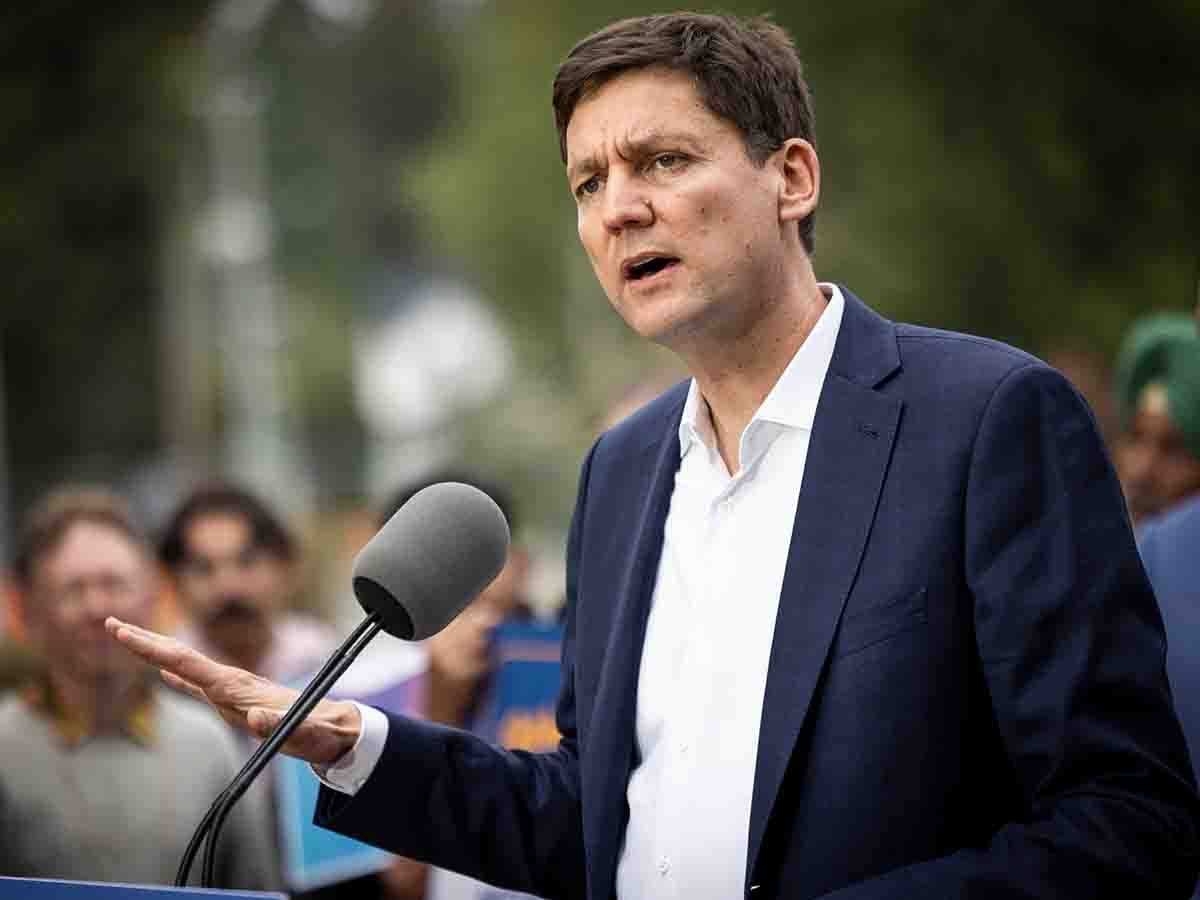
But British Columbia Premier David Eby is proposing to do exactly that to the province’s top earners. He has promised that a re-elected NDP government would create a new income tax bracket for those earning more than $1 million. His rationale was familiar: it’s right to ask people who earn a little more to pitch in.
That’s no surprise. Tax hikes are his favourite policy tool. His last budget raised the lowest income tax rate, which every taxpayer pays, froze bracket indexation, extended provincial sales tax to professional services — though he paused this extension days before calling a snap election — and raised school and speculation taxes on property.
He’s now campaigning on a new tax on unsold condos and a doubled speculation and vacancy tax for Canadian owners. His millionaires ‘ tax is just the latest and it isn’t just for millionaires.
Starting in 2027, the party’s plan would raise B.C.’s rates by two percentage points on income between $190,405 and $1 million and adds a new bracket above that.
Combined with the federal rate, the marginal rate on income from $190,405 rises to 47.8 per cent from 45.8 per cent. From about $266,000, it rises to 55.5 per cent from 53.5 per cent. Above $1 million, it jumps to 57.5 per cent from 53.5 per cent.
That 55.5 per cent rate alone would be higher than the top rate in any other province. The top rate in Alberta is 48 per cent, so it should get ready for an influx of B.C. residents.
The bottom line: the increase starts at about $190,000, not $1 million. A B.C. professional earning $500,000 would pay about $6,200 more in provincial tax each year; at $1 million, about $16,200; and above $266,000, the government would take more than 55 cents of every additional dollar earned.
The Royal Commission on Taxation in 1966 concluded that high marginal rates discourage work, saving and investment and recommended a top rate no greater than 50 per cent.
“With such a maximum marginal rate, taxpayers would be assured that at least half of all gains would be theirs after taxes,” it said. “We think there is a psychological barrier to greater effort, saving and profitable investment when the state can take more than one-half of the potential gain.”
That advice to governments is timeless wisdom. B.C. is already well past that line, but Eby wants to push further. Canada’s top rate already ranks fifth-highest among 38 Organization of Economic Co-operation and Development countries.
At 57.5 per cent, B.C. would out-tax every country in Europe except Denmark, whose government has proposed scrapping the surtax that puts it there. If it does, B.C. would top them all.
We have seen this movie before. In 2016, the Justin Trudeau government raised the top rate four percentage points to 33 per cent, asking the wealthiest Canadians to “contribute a little more.”
High earners responded as they always do. A C.D. Howe Institute analysis estimated the hike raised about $1.2 billion, not the roughly $2 billion budgeted, while costing the provinces about $1.3 billion through a shrunken tax base. Nationally, it lost money.
The Parliamentary Budget Officer has said that past a certain point, higher rates lose revenue. Economists call it the Laffer Curve. At zero or 100 per cent, a government collects nothing; somewhere in between, higher rates start losing money. The 2016 experience suggests Canada’s top rates may already be there.
This isn’t just B.C.’s problem. The question for a surgeon or founder weighing Vancouver against Seattle isn’t which jurisdiction is cheaper; it’s whether Canada is worth it. At 57.5 per cent, B.C. answers that for them.
Then there are the plan’s ultra-wealthy cheerleaders. In a recent op-ed , a self-described member of Canada’s wealthiest 0.1 per cent welcomed a bigger B.C. tax bill. A tax increase starting at $190,405 barely touches her.
It lands on the surgeon, the engineer and the entrepreneur still building something: the people taking the risks that grow an economy. It can also hit a widowed retired teacher, whose final return must include her entire registered retirement investment fund and the taxable gain on the family cabin.
If the plan’s wealthy champions want to pay more, they’re free to: both governments accept donations and even issue tax receipts. Just don’t pretend higher rates are good policy for everyone else.
As for spending, B.C. spent $48.7 billion and ran a $2.7-billion surplus in 2016-17. This year, it expects to spend about $100 billion, more than double, and run a $13.8-billion deficit. British Columbians aren’t undertaxed; their government overspends. The NDP’s answer is to raise taxes on the very people B.C. needs the most to attract and keep.
My parents never imposed a family tax, but I know what I’d have done if they had: delivered fewer papers, shovelled fewer sidewalks and found clever ways to keep my reported earnings under $100. B.C.’s surgeons, engineers and entrepreneurs will respond the same way, with better advisers and Alberta next door.
Eby calls it asking for a bit more, but incentives don’t stop at the Rockies. A frostbitten kid with a paper route in Fort McMurray could tell him what he’ll actually get: a lot less.
Kim Moody, FCPA, FCA, TEP, is the founder of Moodys Tax/Moodys Private Client, co-host of Canadian Tax Matters, a former chair of the Canadian Tax Foundation and has held many other leadership positions in the Canadian tax community. He can be reached at kgcm@kimgcmoody.com and his LinkedIn profile is https://www.linkedin.com/in/kimgcmoody.
- Don't treat your personal finances like the government is treating your tax dollars
- Tax policy pauses show governments aren't getting things right in the first place
_____________________________________________________________
If you like this story, sign up for the FP Investor Newsletter.
_____________________________________________________________
Popular Products
-
 Classic Oversized Teddy Bear
$23.78 -
 Gem's Ballet Natural Garnet Gemstone ...
$171.56$85.78 -
 Butt Lifting Body Shaper Shorts
$95.56$47.78 -
 Slimming Waist Trainer & Thigh Trimmer
$67.56$33.78 -
 Realistic Fake Poop Prank Toys
$99.56$49.78