Why Did My Credit Rating Take A Hit If I Cancelled My Credit Card?
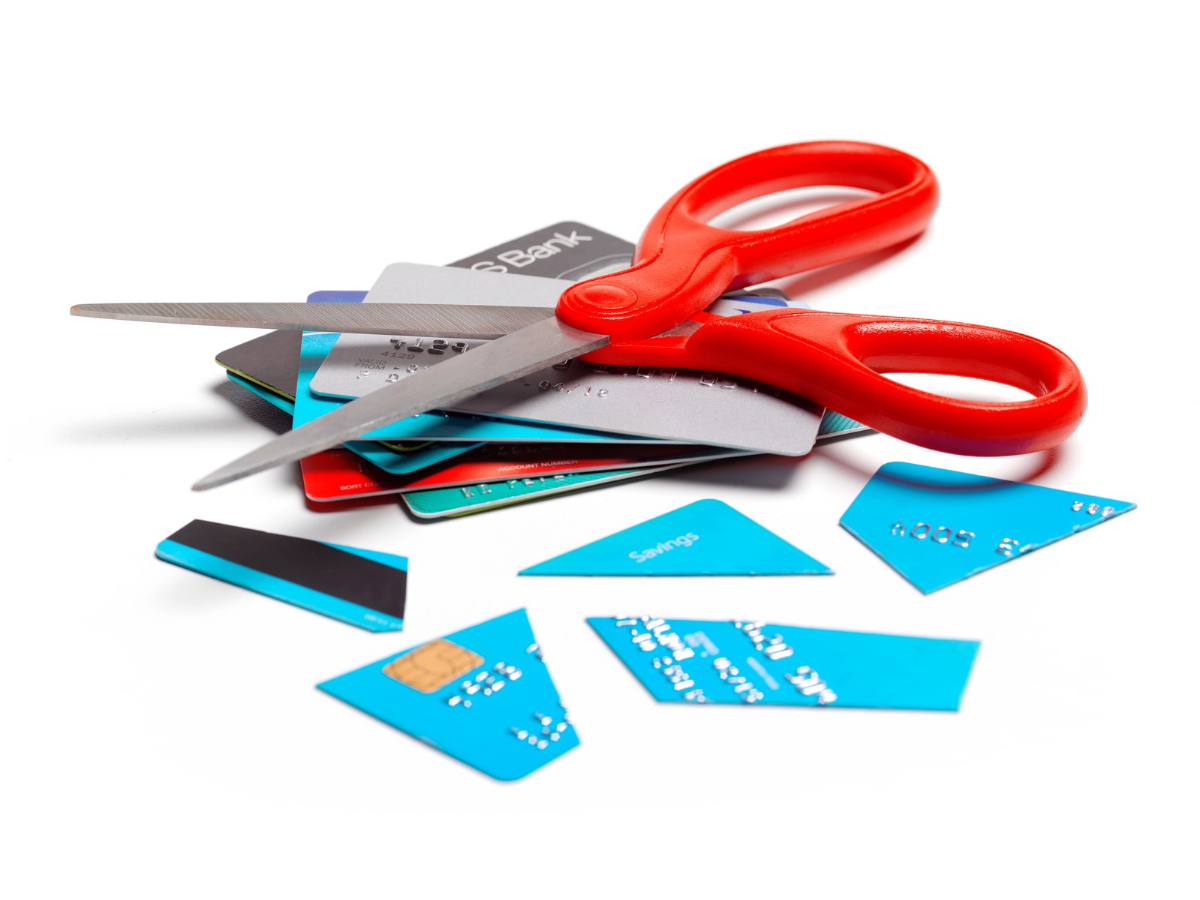
Q: I had about $7,400 left on a credit card I’d been chipping away at, so in September I called and cancelled it to stop myself from using it again. I figured that was the end of it. Instead, the statements keep coming with interest, two pre-authorized payments bounced and my credit score took a real hit . Did cancelling make this worse, and what do I do now? —Cindy
FP Answers: Cancelling the card was an understandable step to help you stop using it. Closing the account to new purchases, though, does not cancel the balance you owe . To move forward, it helps to focus on three things: understanding your remaining payment obligations; moving the recurring payments to another account and creating a repayment plan that fits your budget.
The statements are still arriving because you have a balance to repay. Most Canadian cardholder agreements remain in effect until the balance is paid in full. Until then, interest continues to accrue at the same rate as before and you still need to make at least the minimum payment each month. Although you can no longer use the card for new purchases, your repayment obligations continue.
Next, follow up on the two pre-authorized payments that bounced. The Financial Consumer Agency of Canada notes that transactions approved before closing, along with recurring pre-authorized payments, can still appear after an account is cancelled. Cancelling your card does not cancel the services you pay for with it. Contact each service provider directly to arrange payment of any outstanding amounts and move future payments to a chequing account or another credit card.
As for your credit score, closing the account removed its credit limit while leaving the $7,400 balance on your file. With no available credit on that account, the credit bureaus treat the remaining balance as a maxed-out account rather than a small increase in the share of available credit you are using. This helps explain why closing a card with a balance can have a greater effect on your score than you expected. Still, closing it was likely the right decision if it helps you clear the balance.
The effect on your credit score does not have to be permanent. The account will remain on your credit report for about six to seven years, depending on your province, but its effect can lessen as you pay down the balance and the information gets older. Who closed the account also matters; a closure you requested is reported differently from one initiated by a creditor after missed payments.
To keep the account in good standing, continue paying at least the minimum every month. Missed payments can give the issuer the right to demand the full balance at once, whether the account is open or closed.
Then choose a manageable monthly payment and a target date to pay off the card. At 21 per cent interest, paying $300 a month would clear $7,400 in about 33 months, with roughly $2,370 in interest. Increasing the payment to $400 would repay the balance in 23 months, with about $1,620 in interest. That extra $100 a month could save you close to $750 plus 10 months of payments. Scheduling the payment for the day after payday can help you stay consistent.
- Back injuries and tariffs forced me to shutter my business. Do I still owe that debt?
- We are already $38,000 in debt. Is buying a house out of reach?
If $300 a month is more than you can manage alongside your other bills and obligations, you have other debt relief options to consider. A non-profit credit counsellor can review your budget with you at no cost and explain those options so you can decide on a practical next step. Cancelling the card dealt with the temptation to spend. A manageable payment plan is what will clear what you owe.
Mary Castillo is a Saskatoon-based credit counsellor at Credit Counselling Society, a non-profit organization that has helped Canadians manage debt since 1996.
Do you have a debt question for FP Answers? Email wealth@postmedia.com.
Popular Products
-
 Fake Pregnancy Test
$61.56$30.78 -
 Anti-Slip Safety Handle for Elderly S...
$57.56$28.78 -
 Toe Corrector Orthotics
$41.56$20.78 -
 Waterproof Trauma Medical First Aid Kit
$169.56$84.78 -
 Rescue Zip Stitch Kit
$109.56$54.78