Cutting Back On Ultra-processed Foods May Help Ease Depression Symptoms
- A small study found that reducing ultra-processed food (UPF) intake was associated with improvements in depression symptoms.
- The findings add to previous research linking high UPF consumption with an increased risk of depression.
- Researchers are investigating how factors such as nutrition, inflammation, metabolic health, and the gut-brain axis may link UPFs with mood.
Emerging research has linked high consumption of ultra-processed foods (UPFs) with an increased risk of depression. Now, a small study published September 23 in JAMA Psychiatry suggests that reducing UPF intake may help ease depression symptoms.
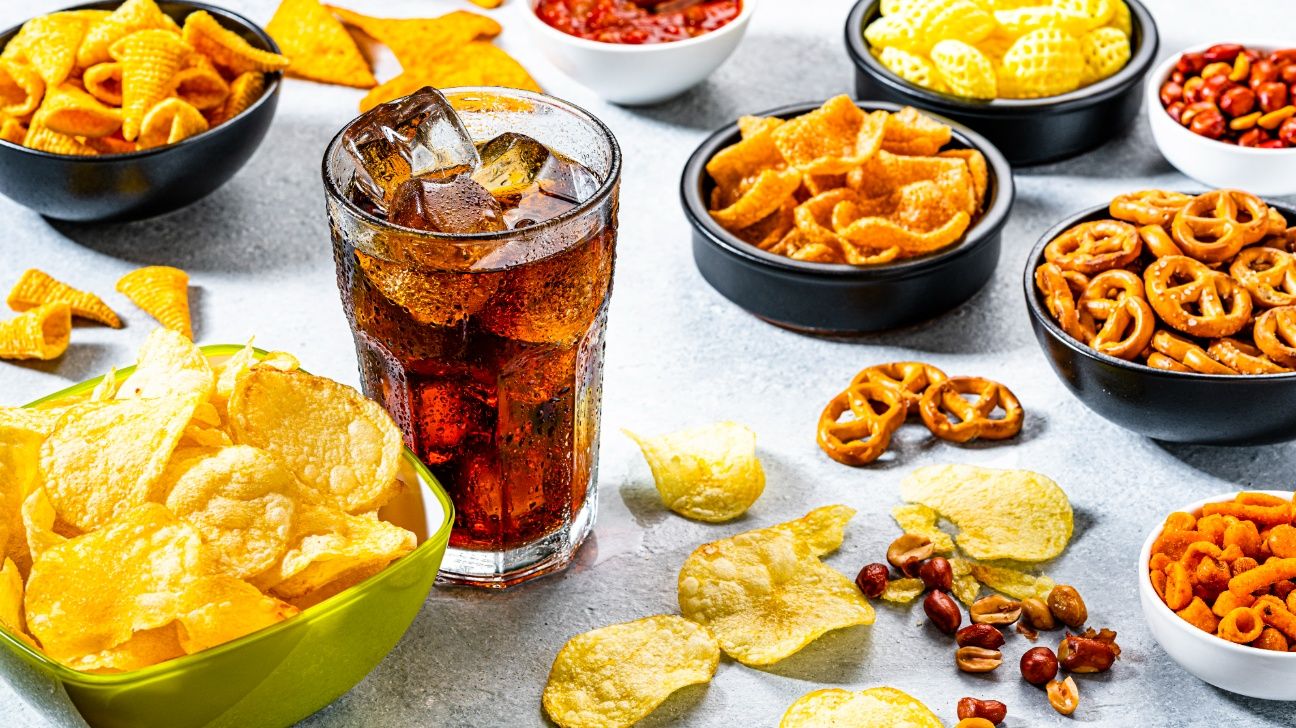
There is no universally accepted definition of UPFs. However, a widely used classification system known as NOVA defines them as industrial formulations made primarily from substances extracted or derived from foods, often with additives not typically used in home cooking. Examples include soft drinks, packaged snacks, candy, sausages, hot dogs, and pastries.
Previous research has linked UPFs to an increased risk of depression, anxiety, eating disorders, and other mental health conditions. In the new study, participants reduced their UPF intake by more than 85% and had significantly lower depression scores across three standard measures while following the low-UPF diet.
Lowering ultra-processed food intake may improve depression
This small study included 20 participants who:
- were between 18 and 80 years old
- had a primary diagnosis of depression
- had a Patient Health Questionnaire-9 (PHQ-9) score of at least 5
- consumed high amounts of UPFs
- had at least one self-reported metabolic abnormality, such as overweight or obesity, high blood pressure, high cholesterol or triglycerides, or insulin resistance
The participants also had to agree not to change medications, therapy, exercise, or sleep during the study.
Of the 20 participants enrolled in the study, 19 completed it. The average age was 44. Participants followed both their usual diet and a low-UPF diet during separate phases of the study, with the order randomly assigned.
Participants generally found the low-UPF diet acceptable and manageable. They also had lower depression and anxiety scores during the low-UPF diet phase compared with their usual diet.
On one commonly used depression measure, the PHQ-9, average scores declined from 8.68 during the usual diet phase to 5.53 during the low-UPF phase.
The study had several limitations, including its small sample size, reliance on self-reported dietary data, and uncertainty about which aspects of reducing UPFs may have contributed to the changes in symptoms.
The researchers also said that larger studies are needed to determine whether reducing UPF intake can improve depression symptoms.
Michelle Routhenstein, Preventive Cardiology Dietitian at Entirely Nourished, who wasn’t involved in the study, agreed, noting that more research is needed to understand whether reducing UPFs directly improves depression symptoms or whether other aspects of the overall diet may be contributing to the observed benefit.
Dara Houp, PsyD, a licensed clinical psychologist with Pathways Psychological Services in NYC, who wasn’t involved in the study, told Healthline that it’s important to distinguish ultra-processed foods from processed foods more broadly.
Routhenstein agreed that the distinction is important. “Processing is not inherently negative. Many nutritious foods are processed in some way.”
“I would not encourage people to simply label a food as ‘processed’ or ‘unprocessed’ and make decisions based on that label alone. I prefer to look at the overall dietary pattern, the nutritional value of the food, and what role that food plays in the diet. A packaged food can still provide meaningful nutrients and be part of an overall nutritious eating pattern,” she said.
How can ultra-processed foods affect your mood?
There are various proposed mechanisms for how UPFs may affect mood.
For example, UPFs are often low in fiber, vitamins, and minerals, which can play important roles in brain health.
Houp noted that some ingredients found in UPFs, including artificial sweeteners such as aspartame, may affect the gut microbiome.
“Our gut is a primary location for producing neurotransmitters, responsible for manufacturing the vast majority – upward of 90% – of our body’s serotonin. When the gut microbiome is disrupted, it directly interferes with healthy neurotransmitter production,” she said.
Houp added that diets high in UPFs may be lower in antioxidant-rich foods, such as fruits and vegetables, which could contribute to oxidative stress. Research suggests that people with depression may have lower antioxidant levels and higher markers of oxidative damage.
Routhenstein also noted that researchers are investigating how UPF consumption may influence inflammation, metabolic health, and the gut-brain axis, all of which may have implications for mood.
What are ways to reduce ultra-processed food intake?
Reducing your UPF intake can start with small, sustainable changes.
Routhenstein suggested starting by looking at the foods you eat most often rather than trying to overhaul your kitchen.
“Identify one or two foods that are frequent sources of UPFs and consider what you could realistically replace them with. For example, you might swap a daily sugary drink for water or sparkling water, or choose fruit, nuts, yogurt, or another minimally processed option in place of a packaged snack,” she said.
Other ways you can help reduce UPFs include:
- Cook at home, using whole ingredients when possible.
- When possible, choose foods with fewer highly processed ingredients.
- Build meals around whole foods, like fruits, vegetables, grains, and lean proteins.
Routhenstein added that you don’t have to eliminate convenience from your diet. Frozen vegetables, canned beans, canned fish, oats, plain yogurt, tofu, and other minimally processed foods can make healthy eating much more practical.
“The goal is not to eat a perfectly unprocessed diet. It is to gradually shift the overall pattern toward more nutrient-dense foods that provide fiber, protein, healthy fats, vitamins, and minerals,” she said.
Popular Products
-
 Electric Heating Shoulder & Knee Vibr...
$93.99$64.78 -
 Sevich Hair Fiber Regrowth Spray With...
$53.99$36.78 -
 Sevich Chebe Hair Loss Treatment Set
$73.99$50.78 -
 Super Fenugreek & Rosemary Hair Regro...
$117.99$81.78 -
 Sevich Hair Keratin & Moroccan Oil Vi...
$34.99$23.78