Fda Initiates Labeling Changes For Glp-1s Due To Rare But Serious Eye Disease Risk
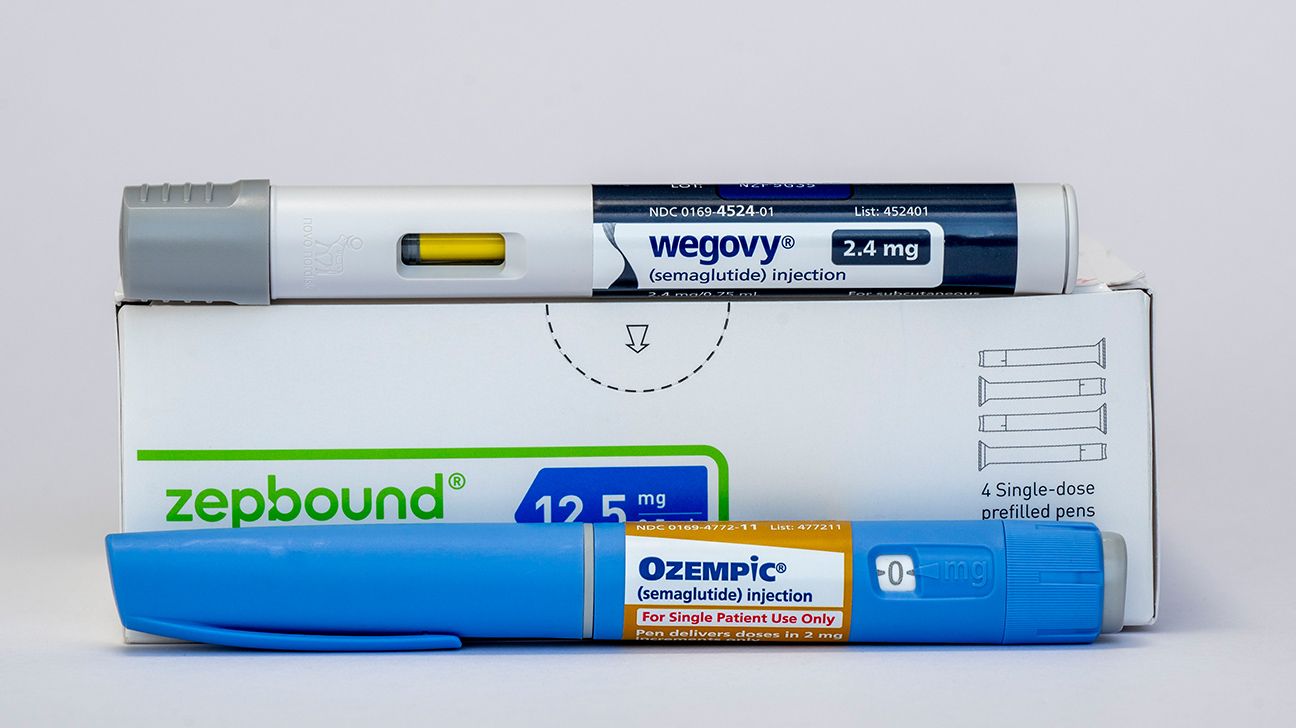
- The FDA is requiring new warnings on Ozempic, Wegovy, Mounjaro, Zepbound, and other GLP-1s about a potential increase in the risk of a rare eye condition that can cause sudden vision loss.
- Regulators in the European Union, United Kingdom, and Australia have added similar warnings, mostly for semaglutide.
- The FDA said the benefits of GLP-1 medications still outweigh their risks when used as directed.
GLP-1 users have a new symptom to watch for: Sudden vision loss in one eye.
The Food and Drug Administration (FDA) announced on November 9 that it will require drugmakers to add information to the warning labels of Ozempic, Wegovy, Mounjaro, Zepbound and other GLP-1 medications about “a potential increased risk” of a rare eye condition called nonarteritic anterior ischemic optic neuropathy (NAION).
GLP-1 medications are approved to treat type 2 diabetes and to help people lose weight and keep it off.
NAION joins a growing list of side effects linked to GLP-1s, adding a second eye warning to several labels.
The U.S. labels for Ozempic, Rybelsus, Trulicity, Mounjaro, and Zepbound already warn about diabetic retinopathy, a diabetes-related eye disease, according to each drug’s prescribing information.
The two conditions affect different parts of the eye. Diabetic retinopathy damages tiny blood vessels in the retina, the layer at the back of the eye that senses light, according to the National Eye Institute. NAION damages the optic nerve when it doesn’t get enough blood, according to the FDA’s announcement.
Mihail Zilbermint, MD, director of endocrine hospitalists at Johns Hopkins, told Healthline he hasn’t seen NAION in his patients. He has seen vision worsen in some people after they start a GLP-1.
“But we believe that’s probably related to rapid improvement in their sugar control, which can also be seen in someone who is starting insulin,” Zilbermint said.
Why the FDA added vision loss warning to Ozempic, other GLP-1s
A 2024 study published in JAMA Ophthalmology “initially triggered” the FDA’s review, the agency told Healthline.
The study found a higher risk of NAION in people prescribed semaglutide, the active ingredient in Ozempic and Wegovy, than in people prescribed other diabetes or weight-loss drugs.
The authors wrote that more research is needed to determine whether semaglutide causes NAION.
Joseph F. Rizzo III, MD, director of the Neuro-Ophthalmology Service at Mass Eye and Ear in Boston, served as the study’s corresponding author.
In a 2024 podcast, Rizzo said he and a resident saw three patients with NAION who were taking semaglutide for about a week.
“And because NAION is a fairly uncommon disorder in the general population, the fact that we had three within a relatively short period of time led me to suspect that there was a higher risk of developing NAION in patients on semaglutide,” Rizzo said.
The FDA analyzed clinical trials for multiple GLP-1 drugs and noted that NAION cases were reported with every GLP-1 on the market, according to its announcement. Those findings led the FDA to require the warning for the entire drug class, the agency told Healthline.
NAION symptoms: Signs of vision loss on Ozempic, Wegovy or Zepbound
About 70% to 80% of people with NAION first notice vision loss when they wake up, according to StatPearls. The FDA listed these symptoms:
- sudden, painless vision loss in one eye
- blind spots, tunnel vision, or other missing parts of vision
- colors that look distorted
- blurry or hazy spots in the center of vision
No treatment has been proven to reverse vision loss from NAION, according to StatPearls.
What to do if you notice vision loss while taking a GLP-1
“Patients experiencing sudden, painless vision loss in one eye should contact their healthcare professional immediately and should not stop their medication without consulting their provider first,” the FDA told Healthline.
In the announcement, the agency told doctors to promptly refer patients with suspected NAION to an ophthalmologist.
Who is more at risk for NAION?
The FDA listed these possible risk factors for NAION:
- Habits: Smoking.
- History: A past case of NAION in one eye raises the risk for the other eye.
- Health conditions: These may include diabetes, high blood pressure, sleep apnea, kidney disease, and anemia.
The FDA told Healthline that many people who take GLP-1s also have these conditions, which made reports of NAION in GLP-1 users “challenging” to interpret.
How common is vision loss with GLP-1s?
Across 126 clinical trials, the FDA found about 6 NAION cases per 100,000 people taking a GLP-1 for a year, and about 4 per 100,000 people taking a placebo or another diabetes drug for a year.
In real-world data, NAION was more common with GLP-1s than with one type of diabetes pill, but the FDA found no significant increase compared with another type, the agency told Healthline.
Zilbermint said patients who saw the news have worried about losing their vision. He tells them that “many of the serious harms, including the potential harm of NAION, are rare.”
“The overall risk is still very small,” he said.
Ozempic eye warnings in Europe, the U.K. and Australia
Regulators in other countries have added NAION warnings, mostly for semaglutide:
- European Union: The European Medicines Agency added NAION to semaglutide’s product information as a “very rare” side effect in 2025.
- United Kingdom: The Medicines and Healthcare products Regulatory Agency announced similar label updates in February 2026.
- Australia: The Therapeutic Goods Administration added a NAION warning for semaglutide and listed NAION as a possible side effect of other GLP-1s.
What to do if you take a GLP-1
The FDA told Healthline the benefits of GLP-1s “continue to outweigh their risks when used as directed.”
The FDA has also approved some GLP-1s to lower the risk of heart attack and stroke, reduce the risk of worsening kidney disease, and treat sleep apnea and a type of liver disease.
Zilbermint said that “for most of my patients with obesity, diabetes and heart disease, the benefits clearly outweigh the risks.”
“But we definitely have to decide patient by patient,” he added.
Which GLP-1 drugs get the new vision loss warning?
The labeling change applies to these medications, according to the FDA’s announcement:
- Generic exenatide (formerly sold as Byetta)
- Victoza and Saxenda (liraglutide)
- Trulicity (dulaglutide)
- Xultophy (liraglutide and insulin degludec)
- Soliqua (lixisenatide and insulin glargine)
- Ozempic, Rybelsus and Wegovy (semaglutide)
- Mounjaro and Zepbound (tirzepatide)
- Foundayo (orforglipron)
As of publication, the FDA’s online label database did not yet show the new warning on the drugs’ labels.
Popular Products
-
 Soursop Graviola Extract Drops
$38.99$26.78 -
 Soursop Graviola Immune Support & Dig...
$44.99$30.78 -
 Colostrum Capsules for Immune & Diges...
$44.99$15.78 -
 Fatty Liver Cleanse & Detox
$113.99$78.78 -
 Stainless Steel Tongue Scrapers
$33.56$16.78