Food Banks, Pantries Say They're Still Seeing Surge Even After Snap Benefits Restored
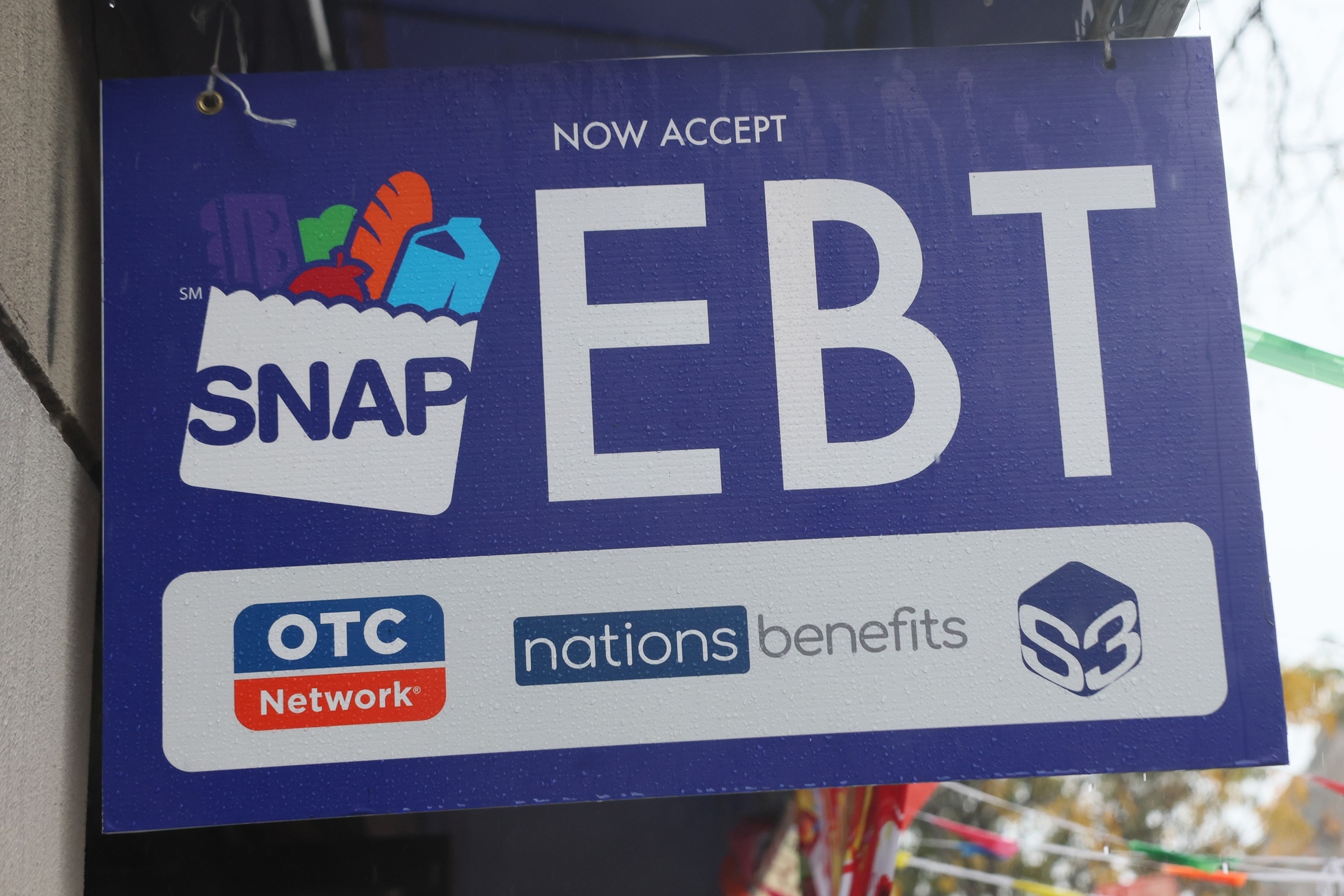
Although SNAP benefits returned for millions of Americans after the federal government shutdown ended earlier this month, food banks and pantries across the U.S. are still seeing droves of people showing up to receive aid.
Nearly 42 million Americans, including low-income families and vulnerable households, rely on SNAP, or the Supplemental Nutrition Assistance Program, to help pay for groceries or other household essentials.
Despite many states saying that benefits would be available immediately following the disruption, workers at food distribution sites are seeing a surge of people -- a trend they say is likely to continue into the holidays.
Jerome Nathaniel, director of policy & government relations at City Harvest -- a food rescue organization based in New York City -- told ABC News that the group is still seeing a higher number of visits than in months past, a general trend that has continued since COVID.
He said City Harvest is on pace to distribute 1 million more pounds of food to their pantries this November compared to last November.
"Those number of pounds we distribute are responsive to the needs of our pantries," Nathaniel told ABC News. "So, our pantries were saying they need more food or they're running out of food quicker than we send more food."
The organization also recently identified 27 pantries in neighborhoods with a high concentration of people enrolled in SNAP and increased the amount of food distributed by 150,000 pounds.
Nathaniel said he's heard anecdotally from City Harvest's partners that a large number of people are still visiting pantries, including those affected by SNAP disruptions as well as federal employees who were furloughed during the government shutdown.
He said because the distribution of SNAP benefits was delayed by a week and a half, many people were likely using their available funds to split between paying rent, paying credit card bills and buying groceries or other expenses. With the return of SNAP, people may be more reliant on pantries as they rebalance their budgets.
"If you take away any of those benefits at any time, it puts a strain on families, and they need to find different ways to balance their budget," Nathaniel said. "And a lot of families may turn to using their credit cards or more visits to pantries that are already strained and may not have enough food for everyone. They certainly cannot make up the gap of SNAP."
Even smaller organizations are seeing a rise in monthly grocery orders, including from individuals affected by the government shutdown and SNAP disruptions.
Frederick Health -- located about 50 miles west of Baltimore -- is a host site of The SHARE Food Network, which provides discounted grocery packages to families and individuals.



Laura DeFeo, diabetes program prevention coach and co-coordinator of the SHARE site at Frederick Health, told ABC News that the site usually averages 19 customers a month. That number has more than doubled to 41 customers so far this month, she said.
Additionally, the total number of food packages ordered has jumped from a monthly average of 59 the past two Novembers to 94 packages this November, which is the highest demand the program at Frederick Health has seen in years, according to DeFeo.
"Certainly we had a number of new customers this month, so there was an influx of people who were new to the program, and I think there were people spreading the word out in the community about this being an affordable option, especially during this time when there could be challenges with some of those benefits," she said.
DeFeo said the site is increasing their number of volunteers as they anticipate an increase of customers during the month of December, with people receiving their regular SNAP benefits and the upcoming holidays.
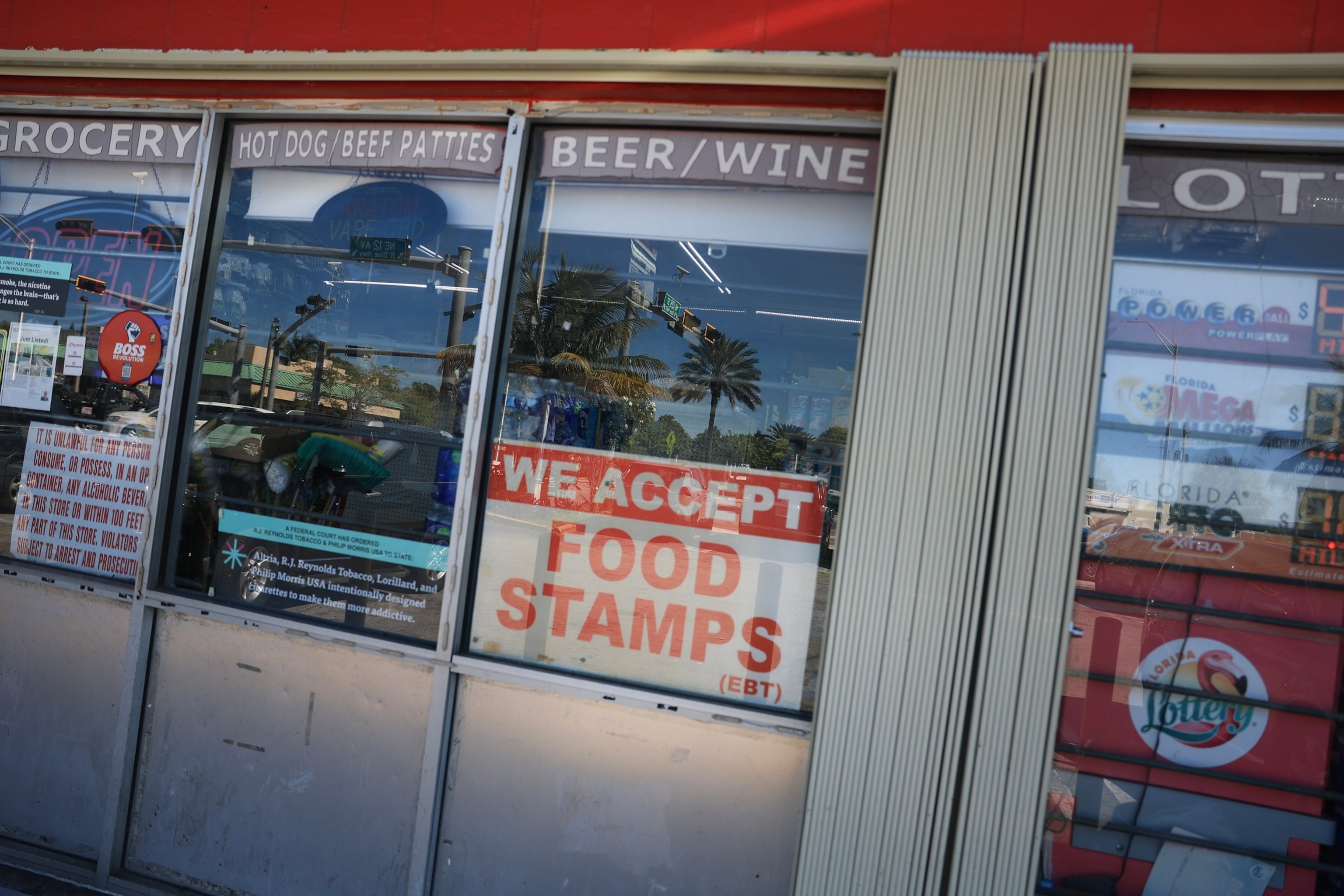
In Colorado, Gretchen Baker, director for Connections 4 Life, a charity that offers three food distribution programs, also thinks the increase of people will last through December.
Baker said the delay in benefits due to the government shutdown at the beginning of November left people in "desperation mode" as they tried to balance their budgets.
"I don't think [the increase is] over yet, and the reason I don't is because with all the different things that [people] had to use their savings," she told ABC News. "A few people may have had some money in their pockets but people that didn't got behind on their mortgage or their car payments."
Benefits may have returned but people could rely on assistance from food pantries as they catch up on late or missed payments.
On Thursday, Connections 4 Life did a food distribution event and a holiday giveaway, which led to 207 people showing up -- more than usually seen at this time of year.
Baker recalled seeing one woman with three kids who is new to the program at the site. She said the woman shed tears of gratitude due to being able to receive her weekly food and Thanksgiving food for her family.
"I know it's not over yet, and we're trying to make sure that we can do as much as we can for people as logically as we can for people and make it worth their while," she said.
Popular Products
-
 Essential Oils Set for Diffuser & Mas...
$58.99$40.78 -
 3D Mini Digital Pedometer
$75.99$52.78 -
 Rechargeable BTE Hearing Amplifier
$95.99$66.78 -
 Wireless Caregiver Pager Calling System
$138.99$100.78 -
 Infrared Heat Lamp Therapy Floor Stand
$147.99$55.78