Glp-1s May Help Lower Diabetes, Heart Risks Better Than Standard Prevention
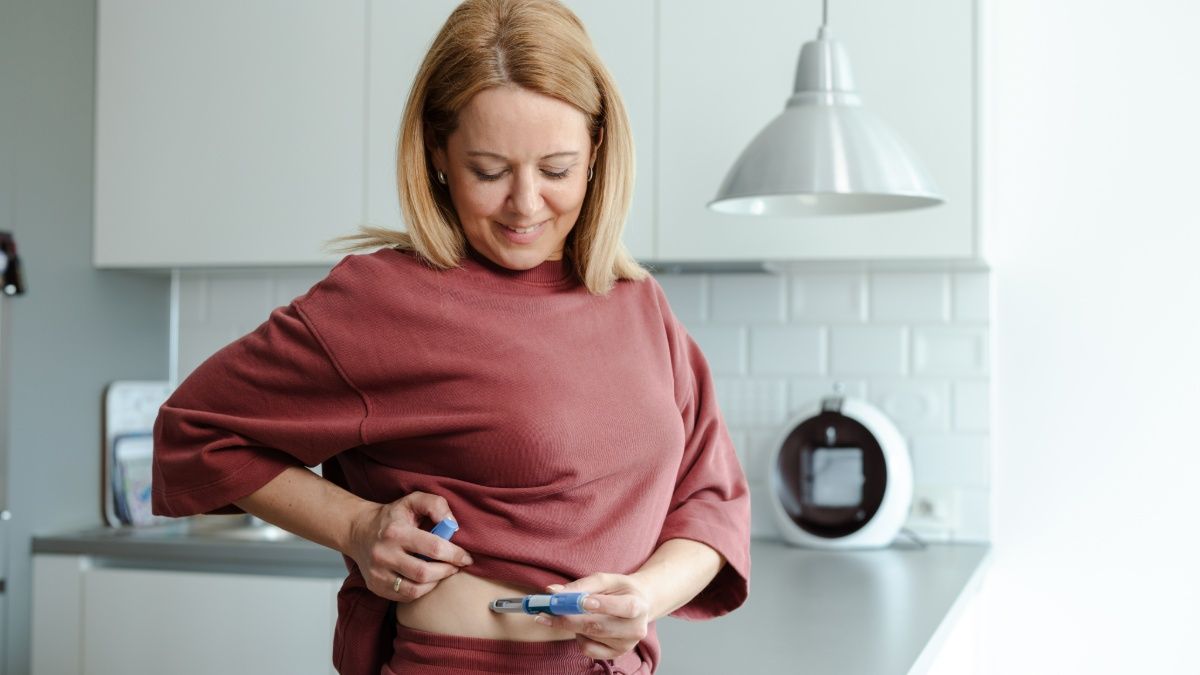
- Researchers say GLP-1 medications appear to be more effective in treating prediabetes than the commonly prescribed drug metformin.
- They said GLP-1 drugs were also associated with a lower risk of developing type 2 diabetes as well as fewer cases of heart attack and stroke.
- The study findings could pave the way for another option to treat people with prediabetes.
GLP-1 drugs are more effective in helping prevent type 2 diabetes than the commonly prescribed medication metformin, according to a new study.
Researchers said GLP-1s such as Ozempic and Mounjaro were more likely to reduce blood sugar to healthy levels in people with prediabetes and obesity.
They added that people prescribed GLP-1 medications had a lower risk of progressing from prediabetes to type 2 diabetes.
The researchers noted that GLP-1 users also had a lower risk of death from any cause as well as fewer heart attacks, strokes, and heart failure events compared with metformin users.
“The great news with prediabetes is that it’s still possible to reverse the progression of the disease,” said Vinicius de Sousa Barzon Serra, MD, a study author and research fellow in cardiovascular medicine at the Mayo Clinic in Scottsdale, Arizona, in a press release. “This research may add to the case for considering GLP-1 medications earlier for certain patients, rather than waiting until they develop type 2 diabetes.”
Serra noted that metformin still remains an effective treatment for people with prediabetes and type 2 diabetes.
“This is less about replacing one medication with another and more about discussing additional options with specific patients,” he said.
The researchers presented their findings at the American Heart Association Scientific Sessions 2026 in Chicago. The research has not been published yet in a peer-reviewed journal.
David Cutler, MD, a family medicine physician at Providence Saint John’s Health Center in Santa Monica, CA, wasn’t involved in the study, but said the findings were “quite impressive.”
“It elevates the comfort of prescribing GLP-1 drugs as a front-line treatment,” he told Healthline.
Robert Eckel, MD, a former president of the American Heart Association who was likewise not involved in the study, agrees the research provides more options for patients and prescribers.
“GLP-1s provide another option for prevention, perhaps as an add-on therapy. However, costs and access to these medications are important factors,” said Eckel, an endocrinologist at the University of Colorado School of Medicine, in the press release.
How GLP-1 medications help treat diabetes
For their study, the researchers analyzed the medical records of 256,000 adults in the United States with prediabetes and obesity. About 76% of the subjects were women, and the average age of the participants was 52.
About half of those studied were taking GLP-1 drugs with the active ingredient semaglutide, tirzepatide, liraglutide, or dulaglutide.
The other half had been prescribed metformin, a medication used to help manage blood sugar levels in adults and some children with type 2 diabetes by decreasing glucose production in the liver, reducing glucose absorption from food, and improving the body’s insulin sensitivity.
The researchers reported that the people in the study who were taking GLP-1 drugs had a 1.5 times higher chance of reversing high blood sugar to healthy levels compared to people who were using metformin.
The researchers also noted that GLP-1 medication users had a 31% lower risk of developing type 2 diabetes and a 41% lower risk of death from any cause.
They added that GLP-1 medications were associated with 15% fewer heart attacks, 20% fewer strokes, 25% fewer cases of heart failure, and 8% fewer cases of atrial fibrillation (AFib), a common type of irregular heartbeat.
The researchers cautioned that their study is observational and, therefore, cannot prove a cause-and-effect relationship. They also noted they relied on prescription records, so the frequency and dosage at which patients took their medication was not reflected.
In addition, the GLP-1 drugs were grouped together, so individual differences between medications were not considered.
Eckel said in the news release that the benefits for people taking GLP-1 drugs were probably mainly due to weight loss. Eckel noted that the research results open up a wide range of possibilities.
“This is an important finding because the GLP-1 receptor agonists are commonly used today and this is a population that in the transition from prediabetes to diabetes are at increasing risk for cardiovascular disease,” Eckel said in a taped interview alongside the study findings.
Cutler pointed out that several GLP-1 drugs also target blood sugar levels and insulin production. They could be effective in people with prediabetes who don’t have weight management issues.
Cutler noted that these people, however, might be reluctant to take GLP-1 drugs because they may not be experiencing symptoms of their prediabetes but could develop side effects with the medications.
“They would not be getting any immediate benefits,” Cutler said. He added that metformin, which was first used clinically in 1958, remains an effective alternative. “It’s been proven safe, effective, and it’s very cheap,” Cutler said.
Reducing type 2 diabetes risk
It’s estimated that 40 million people in the United States have diabetes, with more than 90% of those cases being type 2 diabetes, a chronic condition characterized by high blood glucose levels that results from the body’s ineffective response to insulin or insufficient insulin production.
It’s also estimated that 115 million adults in the United States have prediabetes, a condition in which a person has higher-than-normal blood sugar levels but not high enough to be diagnosed as type 2 diabetes.
Around 5–10% of people with prediabetes develop diabetes every year. More broadly, up to 70% of people with prediabetes eventually develop diabetes.
Medication is sometimes prescribed for people with type 2 diabetes and prediabetes. Lifestyle changes can help reverse type 2 diabetes and prediabetes, as well as prevent the progression from prediabetes to type 2 diabetes.
Among those lifestyle modifications are:
- Eat a healthy, balanced diet with little processed food and red meat and fewer carbohydrates, focusing instead on vegetables, whole grains, and beans.
- Drink more water and less soda and juice.
- Adopt a consistent exercise schedule that includes 30 to 60 minutes of moderate physical activity at least 5 days a week.
- Lose excess weight, even 10 to 20 pounds of weight loss can result in improved blood sugar levels.
- Don’t smoke.
Cutler said the lifestyle changes needed to prevent type 2 diabetes are pretty clear.
“The most important thing for people with prediabetes to know is they should lose weight, reduce their carbs, exercise daily and, if that doesn’t work, then consider medication,” he said.
Popular Products
-
 Sevich Hair Growth Essence Spray
$28.99$19.78 -
 Sevich Hair Fiber with Applicator Set
$40.99$27.78 -
 Whitening Cream Glutathione Body Lotion
$256.99$178.78 -
 Sevich Keratin Repair and Scalp Care ...
$21.99$14.78 -
 Essential Oils Set for Diffuser & Mas...
$58.99$40.78