Healthier Salt Substitute May Prevent Millions Of Deaths From Heart Disease
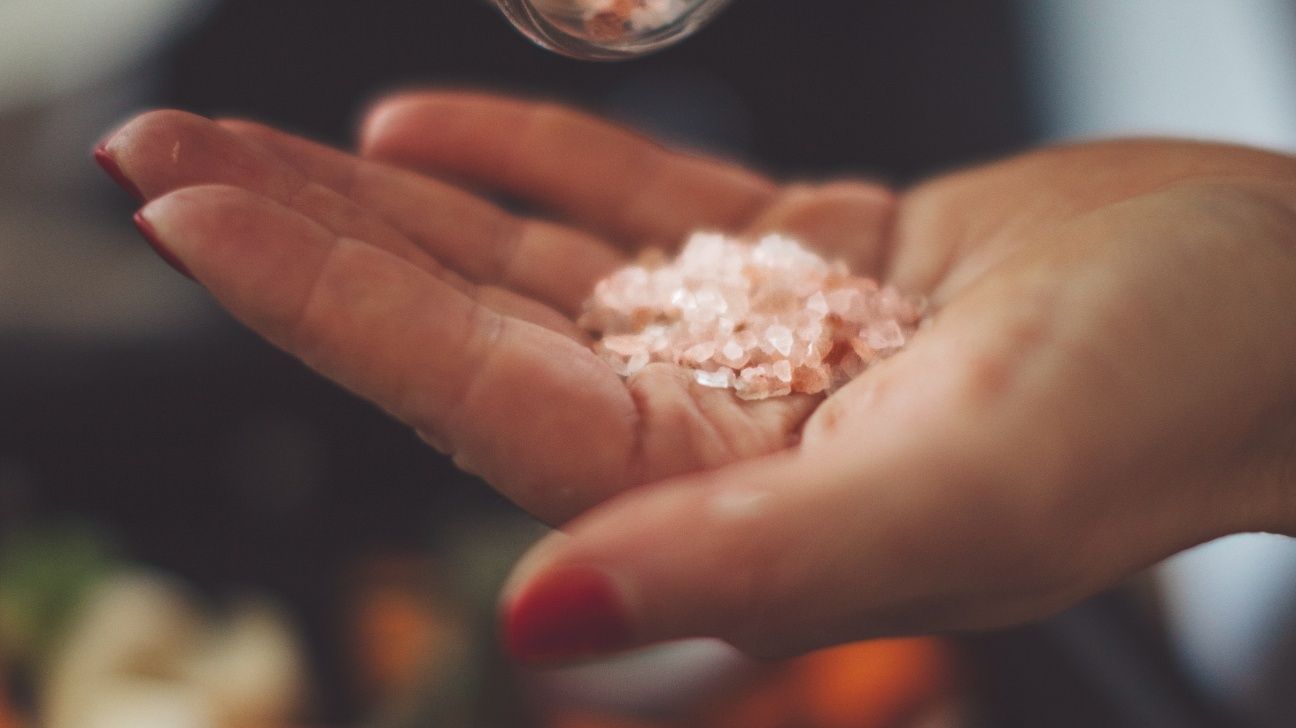
- Swapping regular table salt for potassium-enriched salt could prevent nearly 105,000 U.S. deaths a year and millions of deaths globally, according to a new study.
- Potassium-enriched salt replaces some of the sodium chloride in table salt with potassium chloride, which helps lower blood pressure, according to The George Institute and the American Heart Association (AHA).
- Salt substitutes are sold at major U.S. grocery chains
A simple swap for salt could spare millions of cardiovascular disease-related deaths, new research suggests.
In a study published in Nature Health on November 4, researchers at The George Institute for Global Health modeled the potential impact of 193 countries switching from regular table salt to potassium-enriched salt.
They found the switch could prevent nearly 3 million deaths and more than 10 million new cases of heart and kidney disease worldwide each year.
In the United States, this simple salt swap could prevent nearly 105,000 deaths and about 492,000 new cases a year, the researchers estimated.
About 130.6 million U.S. adults have cardiovascular disease, according to the American Heart Association (AHA).
Estimating preventable deaths from salt substitute
Liping Huang, PhD, a senior data analyst in the Food Policy Division at The George Institute for Global Health and co-lead author of the study, told Healthline the team started with current blood pressure levels by sex, age, and country.
The researchers then estimated how replacing all salt with a salt substitute would change people’s sodium and potassium intake, blood pressure, and disease risk, she said.
The team modeled a blend of 75% sodium chloride and 25% potassium chloride. The study estimated these yearly results worldwide:
- 2.96 million deaths prevented by switching all salt
- 1.85 million deaths prevented by switching only the salt people use at home
- 590,000 deaths prevented by switching home salt for people diagnosed with high blood pressure
The authors wrote that the model relied on data from a few years ago and on many assumptions, and that any large-scale switch would take years.
What is potassium-enriched salt?
Potassium-enriched salt replaces some of the sodium chloride in regular table salt with potassium chloride, according to The George Institute.
Asked where other salts like kosher salt and sea salt fit in, Huang said those salts may contain some trace elements “which has those health halos around them, but essentially they’re still primarily sodium chloride.”
Huang noted that potassium-enriched salt tastes “about the same as a regular table salt.” She said it’s possible a small number of people with a sensitive palate could taste a difference.
How potassium-enriched salt lowers blood pressure
Huang said that “it’s really hard for people to cut back their salt intake.”
“But the easier way is just to replace part of the sodium chloride in our normal salt with potassium chloride, because increasing potassium intake also helps to reduce blood pressure,” she said.
The two minerals play opposite roles in the body, according to Cheng-Han Chen, MD, a board certified interventional cardiologist and medical director of the Structural Heart Program at MemorialCare Saddleback Medical Center in Laguna Hills, CA. Chen wasn’t involved in the study.
“While sodium causes water retention and increased blood pressure, potassium will help the kidneys remove sodium from the body and lower blood pressure,” Chen told Healthline.
Huang said she worked on an earlier trial of about 21,000 people in 600 rural villages in northern China in 2021.
People who used potassium-enriched salt had a 14% lower risk of stroke, a 13% lower risk of cardiovascular events, and a 12% lower risk of early death than those who used regular salt, according to a 2021 study in The New England Journal of Medicine that summarized the trial’s results.
The World Health Organization (WHO) endorsed potassium-enriched salt in a 2025 guideline, saying it can reduce blood pressure and the risk of cardiovascular disease.
The AHA said potassium-based salt substitutes can help lower blood pressure in some adults. The Food and Drug Administration (FDA) issued labeling guidance in 2020 allowing an alternate name for potassium chloride on ingredient labels to include the word “salt.”
“We think that blood pressure begins to improve as soon as 1 week after cutting back on sodium intake. The full benefit typically takes up to 4 weeks,” Chen said.
Recommended daily sodium limits
“We generally recommend a daily sodium limit of 2,300 milligrams (mg), ideally under 1,500 mg a day. Most people consume over 3,000 mg of sodium a day, well above the recommended limit,” Chen said.
The WHO recommends less than 2,000 mg of sodium per day and suggests at least 3,510 mg of potassium a day.
In the United States, more than 70% of salt intake comes from processed and restaurant foods, according to the AHA.
Who should avoid potassium-enriched salt?
Huang said that some people with advanced chronic kidney disease should avoid potassium-enriched salt.
When the kidneys don’t work well, the body may not clear extra potassium efficiently, she said. That can lead to hyperkalemia, or high potassium levels in the blood, which can raise the risk of cardiac arrest, Huang said.
Among people with stage 3 to stage 5 kidney disease, switching to salt substitutes could prevent about 750,000 deaths a year by lowering blood pressure and cause about 100,000 deaths a year from hyperkalemia, the researchers estimated.
The AHA said that people with kidney disease or who take medications that affect potassium should check with a healthcare professional before using these products.
An estimated 37 million U.S. adults have chronic kidney disease, according to the Centers for Disease Control and Prevention (CDC).
Where to buy potassium-enriched salt
Potassium-enriched salt is available at supermarkets in the U.S. Many major U.S. grocery chains, including Kroger, Walmart, and Publix, carry two types of products, according to their websites:
- Blends: Morton Lite Salt mixes sodium chloride and potassium chloride in a 50/50 ratio.
- Sodium-free substitutes: NoSalt, Morton Salt Substitute and Nu-Salt use potassium chloride in place of sodium chloride.
Potassium-enriched salt typically costs about twice as much as regular salt, according to the study.
Huang said she hoped people would see the results and start thinking of the switch as “a simple thing I can do for their own health.”
Popular Products
-
 Vibration Plate Exercise Machine
$226.99$157.78 -
 Adjustable Electric Heated Ankle Wrap...
$73.99$50.78 -
 Adjustable Ankle Tension Rope
$53.56$26.78 -
 Stylish Blue Light Blocking Glasses
$85.56$42.78 -
 Portable USB Rechargeable Mini Full B...
$33.99$22.78