How This 16-year-old Helped His Family Thrive After Dad’s Colon Cancer Diagnosis
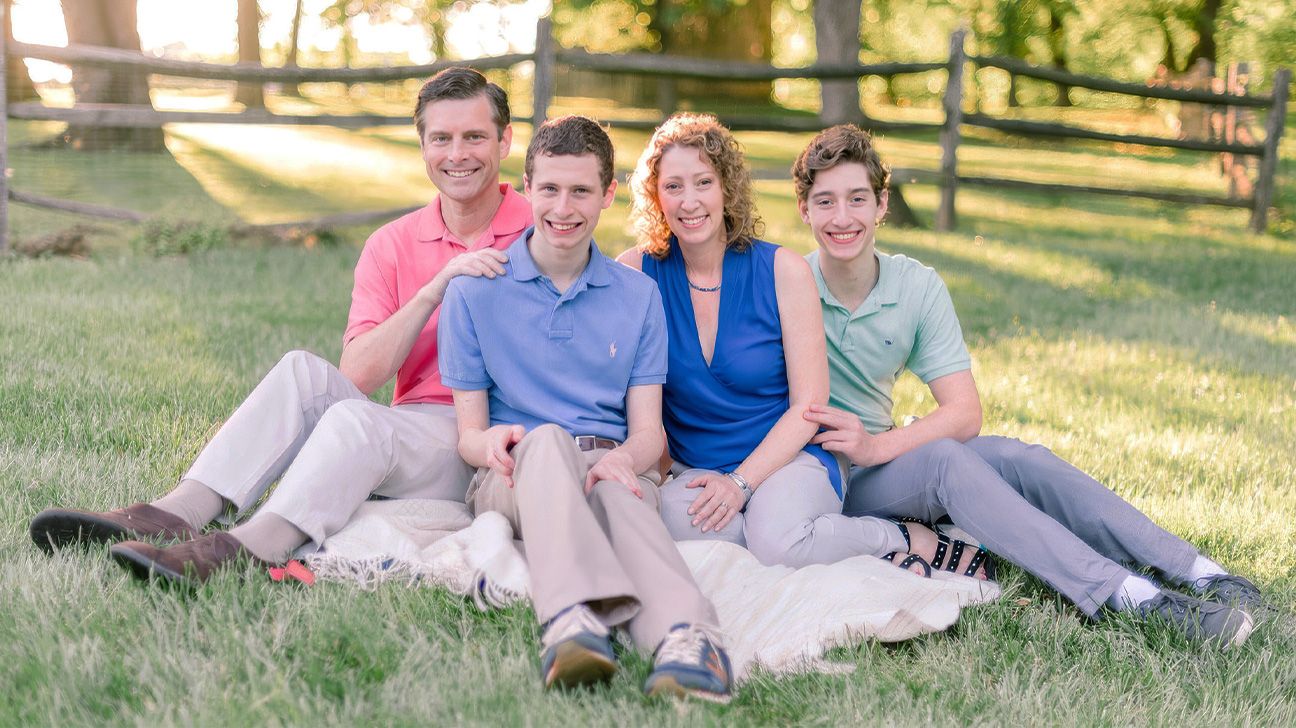
- As colorectal cancer increases among people under 50, more children may experience watching a parent face this disease.
- Dylan Kurtz shares what it was like to watch his dad get treated for colon cancer while he was a teenager.
- Now, 22, Kurtz wants to spread awareness about colorectal cancer and help other young people cope with a parent’s diagnosis.
On Dylan Kurtz’s 16th Birthday in 2020, his dad, Jonathan, began chemotherapy to treat stage 3 colon cancer.
“I didn’t really know much of anything about colon cancer other than it was cancer in the colon,” Kurtz told Healthline. “I knew of different types of cancer but didn’t really know anything about what it meant for the person diagnosed, other than that it can be deadly, if it’s caught late.”
Emotionally, he was uncertain about his dad’s outlook.
“Then, after my dad talked me through everything that was going to happen, he was going to do radiation and then chemotherapy for a few months, I began to understand how serious it was,” said Kurtz.
Because a parent’s cancer diagnosis can bring fear, confusion, or worry, Marianne Pearson, MSW, LCSW, vice president of Cancer Care at the Colorectal Cancer Alliance, said honest, age-appropriate communication is needed.
“[Including] explaining treatments like chemotherapy or radiation and even visiting the cancer center can help reduce fear, while support from oncology-trained professionals can help children feel safer and more secure,” she told Healthline.
After Kurtz’s dad talked with him, he quickly learned that his condition would impact the whole family, including his mom and brother.
His mom informed him that while his dad went through treatment, he wouldn’t be able to do the things they typically enjoyed together, like attend professional baseball games and engage in outdoor activities like running.
“I was really sad because all these things that I love to do with my dad tend to be very physically active or involve going places and being very engaged in doing things,” said Kurtz. “But I handled it by finding workarounds.”
Taking on responsibility and finding joy in a new normal
Because Jonathan’s treatments left him immunocompromised, the Kurtz family had to shift their routines to avoid bringing harmful germs into the house during the COVID-19 pandemic.
Runs outside turned into quiet time at home, and instead of traveling to professional baseball games, Kurtz and his dad worked on 1,000-piece puzzles of different baseball stadiums.
“Some of them are hanging in my room now, and some are hanging in my dad’s office,” said Kurtz. “It was something he could do while in treatment. We sat down quietly and had something good to do together.”
He also took on more responsibilities around the house, including cooking and cleaning, as well as caring for his older brother, Steven, who has autism.
Because all summer camps were canceled in 2020, he created “Camp Kurtz” for him and Steven to stay engaged.
“I would do all sorts of different activities to step in for the lack of camp activities that he had, so it was a combination of teaching him household skills and just doing fun things,” said Kurtz.
He taught his brother how to tie his shoes, clean the house, and vacuum. They also played in their backyard pool, watched movies, and went on long walks with their dog Piper.
“We did all sorts of different things throughout the summer to keep us both busy while my mom and dad were focusing on a lot of other stuff, like going through the treatments,” said Kurtz.
Learning the importance of cancer screenings and preventive health
Today, Kurtz’s dad is cancer-free and living well with continued screenings and checkups.
At the time of his dad’s diagnosis, Kurtz didn’t know much about preventive health.
“I thought if you got cancer, there was nothing you could have done to change that,” he said.
He quickly learned that this might not be the case.
“From my dad’s diagnosis, I learned that screening and getting checked for different types of cancers is something that you can do to stay healthy,” he said. “It’s much better to find polyps and get them removed before they [become cancerous], than go through chemotherapy.”
Kurtz learned that his dad carries a gene mutation that puts him and his brother at increased risk for colorectal cancer if they also carry the gene. As he completes his senior year of college, he plans to get genetic testing done soon.
“If I do have the gene, I will need to start getting screened much earlier, at about 25,” he said.
Cedrek McFadden, MD, medical advisor for the Colorectal Cancer Alliance, said if a parent is diagnosed with colorectal cancer, their children have a higher risk and should start screening earlier, usually at age 40 or 10 years before the age at diagnosis of the parent, whichever comes first.
“It is also important to consider genetic counseling and possible testing, especially if the cancer occurred at a younger age or there is a strong family history, to look for inherited conditions such as Lynch syndrome,” he told Healthline.
Kurtz plans to get a colonoscopy soon due to his family history.
“We have a history of melanoma in our family, but not colon cancer, so this was something that was very, very new. Now, for me and my kids, if I have them, and my brother and cousins, we all need to be aware of colon cancer,” Kurtz said.
He also doesn’t smoke and watches what he eats.
“I think of my health in more of a long-term context; what I do to my body now could affect me later,” he said.
Tips for kids and teens navigating a parent’s cancer diagnosis
Shortly after his dad’s diagnosis, Kurtz teamed up with Colorectal Cancer Alliance to create a blog post and video about the importance of screening and resources kids can turn to if their parent is living with cancer.
He decided to share his story again to spread the word, as colorectal cancer has surpassed breast and lung cancer to become the leading cause of cancer-related deaths in U.S. adults under 50.
Kurtz’s best tips for kids who have a parent facing colon cancer include:
Avoid searching for information online unless it’s a trusted source
He quickly learned how alarming it can be to search for information online.
“More often than not, you come across the worst-case outcomes in stories and nothing that’s going to put you in a good mood, or that is realistic for your own family situation,” he said. “Also, information, even from reputable sources, may be outdated.”
He recommends turning to doctors for answers instead.
Expect family responsibilities to change
For teenagers with a parent going through cancer treatment, he advises embracing taking on chores at home.
“A lot of the things your parent would typically do, they may not feel up to right now,” he said. “But if you become overwhelmed, be sure to tell your parents.”
Find new things to do together
As your parent goes through treatment and heals, try new activities together like creating puzzles, listening to podcasts, or watching a show.
“There are still ways to be together and create new memories,” said Kurtz.
Ask for help if you’re overwhelmed
Telling teachers, coaches, or a school counselor what’s going on at home can help them support you.
Kurtz said to talk with friends and other family members, too.
“It’s hard to go through this alone. People want to help, so let them,” he said.
If you need to talk with a mental health provider, it’s okay to tell your parents.
Tom Milam, MD, psychiatrist and Chief Medical Officer at Iris Telehealth, said that some kids are inquisitive about cancer and want to discuss treatment and side effects, while others don’t talk about it.
“Underneath, however, there are often layers of grief, fear, and sadness that children may struggle to articulate,” he told Healthline.
“Parents diagnosed with cancer, along with the oncology teams supporting them, should consider professional behavioral health support and counseling for their children and/or the whole family to help ensure that the physical cancer does not also evolve into prolonged emotional trauma.”
Popular Products
-
 Gut Health Colon Cleanse
$33.99$22.78 -
 Calcium, Vitamin D3 & Zinc Supplement
$43.99$29.78 -
 Prime Plus Heated Massage Gun
$967.99$578.78 -
 Candida Complex with Probiotics & Ore...
$43.99$90.78 -
 Vitamin C & Zinc Supplement to Boost ...
$41.99$28.78