Increasing Ozempic Dose Linked To Lower Heart Risk Than Switching To Mounjaro
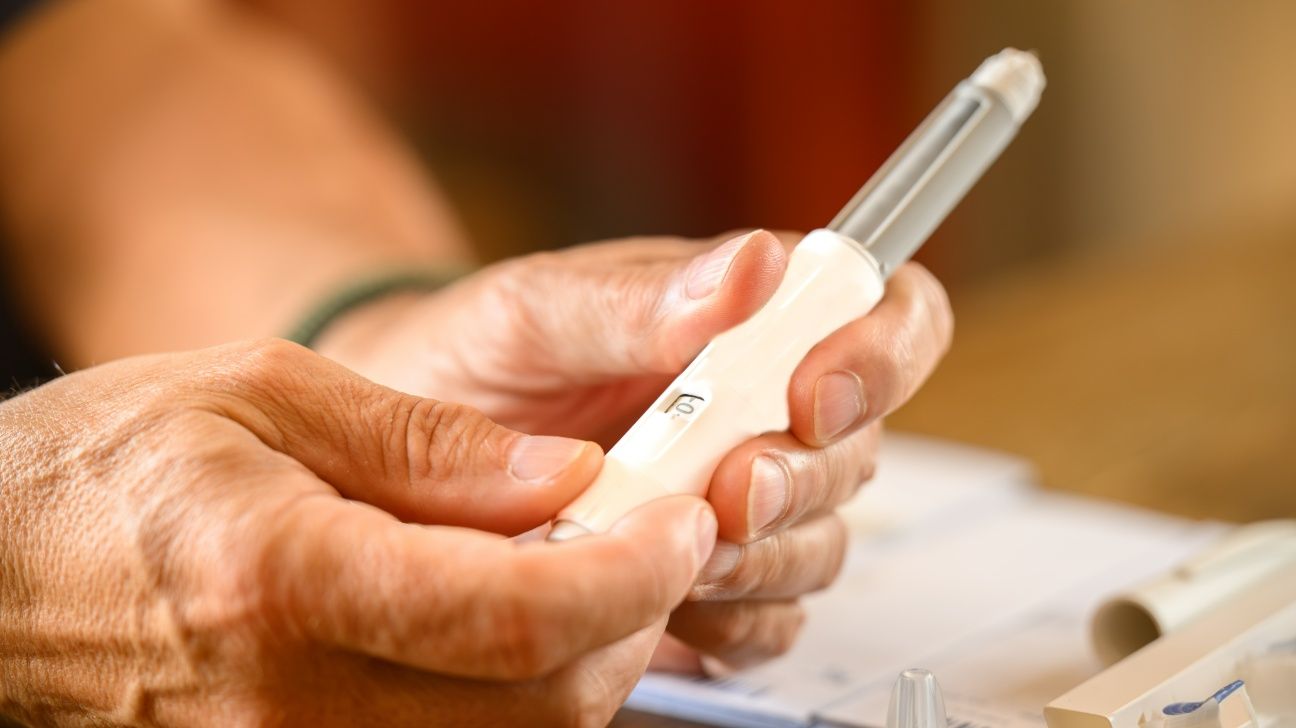
- A real-world study found that people with type 2 diabetes who increased their Ozempic dose rather than switching to Mounjaro had a lower risk of major adverse cardiovascular events (MACE).
- Those who increased their Ozempic dose to 2 mg had a 6% lower risk of MACE than those who switched to Mounjaro.
- Because the study was observational, it showed an association and does not prove that increasing the Ozempic dose caused the lower cardiovascular risk.
Increasing the dose of Ozempic rather than switching to Mounjaro may be associated with a lower risk of major adverse cardiovascular events (MACE), according to a 2026 insurance claims analysis presented at the European Association for the Study of Diabetes (EASD) Annual Meeting 2026 in Milan, Italy.
GLP-1 medications like semaglutide (Ozempic) and tirzepatide (Mounjaro) have reshaped care for people with type 2 diabetes, but recent real-world evidence suggests these drugs may not offer identical heart protection.
It is important to keep in mind that this was a retrospective, observational study that showed an association, not causation.
More research is needed to fully compare the cardiovascular benefits of semaglutide versus tirzepatide.
Higher Ozempic dose linked to 6% lower risk of heart events
The COMPETE SWITCH Cardiovascular (CV) analysis used Komodo Health’s Healthcare Map, a large US healthcare claims database with linked laboratory results, to examine real-world data from 636,525 adults with type 2 diabetes.
The analysis focused on 185,705 people who increased their semaglutide dose and 23,104 who switched to tirzepatide.
All participants included in the analysis were already receiving 1 mg of semaglutide (Ozempic) weekly.
- 67.2% remained on 1 mg of Ozempic
- 29.2% escalated to 2 mg of Ozempic
- 3.6% switched to tirzepatide (Mounjaro) within 1 year of starting the 1 mg Ozempic dose
At the 720-day follow-up:
- 57.4% remained on the 1 mg of Ozempic
- 36.9% escalated to 2 mg of Ozempic
- 5.7% switched to Mounjaro
The researchers found that people who increased their Ozempic dose to 2 mg had a 6% lower risk of MACE — including all-cause death, myocardial infarction (heart attack), and stroke — compared with those who switched to Mounjaro at doses up to 15 mg.
“This is an interesting study, but the findings may partly reflect medication adherence. When patients switch medications, it can take time to adjust the dose and find the right treatment level, which may temporarily affect how well their condition is controlled,” said Mir Ali, MD, medical director of MemorialCare Surgical Weight Loss Center at Orange Coast Medical Center in Fountain Valley, CA, who wasn’t involved in the study.
He also noted that the study did not determine what might explain the difference in cardiovascular risk.
“It may be related to a combination of weight loss and direct effects on hormones involved in metabolism and appetite regulation,” Ali said.
How do Ozempic and Mounjaro differ?
Semaglutide and tirzepatide are both GLP-1 medications. Ozempic (semaglutide) and Mounjaro (tirzepatide) are approved to help manage type 2 diabetes, while each medication also has a different brand approved for weight loss.
The semaglutide approved for weight loss in the U.S. is sold as Wegovy, and the tirzepatide approved for weight loss is sold as Zepbound.
“Semaglutide and tirzepatide work in a similar way. While semaglutide is a direct GLP-1 receptor agonist, tirzepatide is a dual agonist of both the GIP and GLP-1 receptors,” Amit Blumfield, MD, with Manhattan Cardiology in NYC, who wasn’t involved in the study, told Healthline.
“Because they work through somewhat different pathways, they can have different effects in individual patients,” added Ali.
What to consider before switching from Ozempic to Mounjaro
While both semaglutide (Ozemipc) and tirzepatide (Mounjaro) work in similar ways, you may find that you tolerate one better than the other.
Ali noted that you should discuss any potential benefits and drawbacks with your healthcare professional.
“I would only recommend switching medications if there is an issue with tolerance of one or the other. If one medication is well-tolerated at increasingly higher doses and is effective in the desired weight-loss and blood sugar management, I wouldn’t necessarily switch,” added Blumfield.
GLP-1s can have side effects, including:
- nausea and vomiting
- diarrhea
- constipation
- reactions at the injection site
These side effects are generally mild and may lessen over time. However, if side effects become difficult to tolerate, you should speak with your healthcare professional.
“GLP-1 medications can be highly effective for managing diabetes and promoting weight loss, but there is no one-size-fits-all treatment. The best medication depends on an individual’s health needs, goals, response to treatment, and potential side effects,” said Ali.
Popular Products
-
 Rollator Walker & Transport Chair
$410.99$286.78 -
 Electronic Bidet Toilet Seat
$981.56$490.78 -
 Adjustable Anti-Snoring Mouth Guard S...
$40.99$27.78 -
 Massage Ball & Peanut Massage Stick
$30.99$20.78 -
 Yoga Rally Elastic Resistance Bands
$30.99$20.78