Mounjaro, Zepbound May Lower Risk Of Eye Disease In People With Diabetes
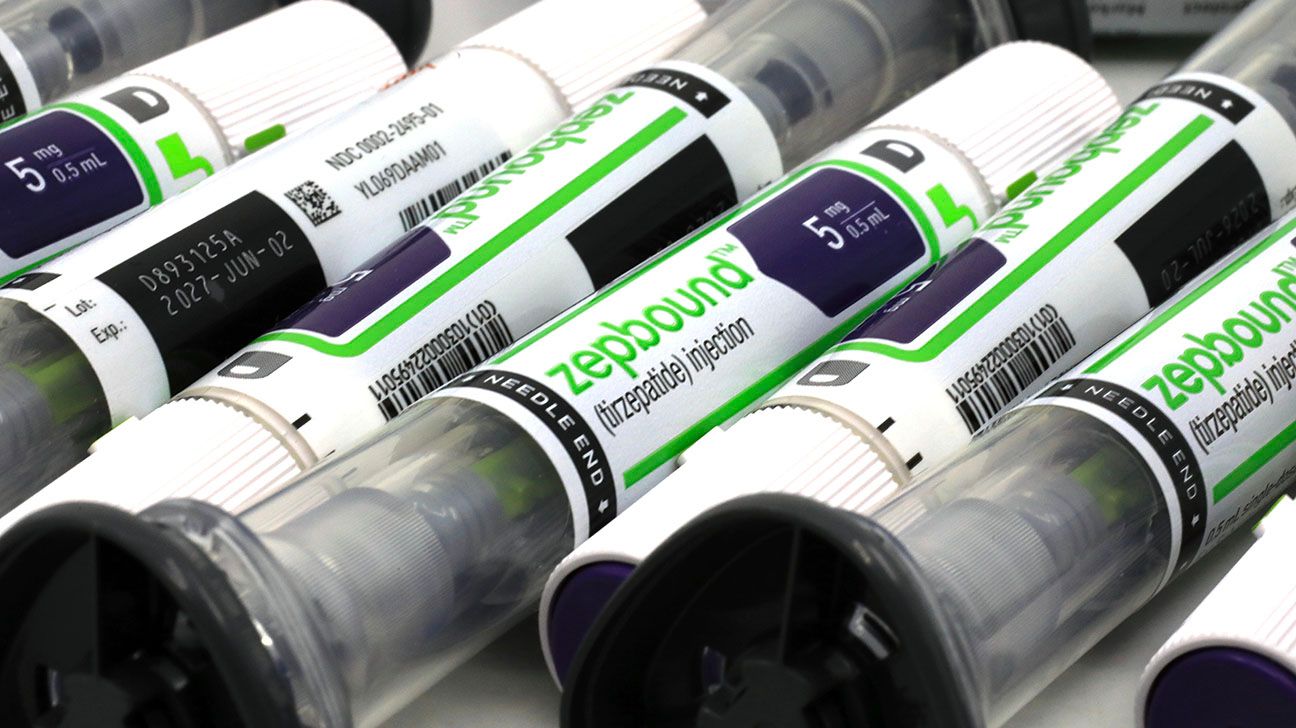
- Weight loss medications Mounjaro and Zepbound, which contain the active ingredient tirzepatide, may lower the risk of diabetic retinopathy.
- This diabetes complication occurs when high blood sugar levels damage the blood vessels in the retina at the back of the eye.
- Diabetes also raises the risk of other eye diseases, including cataracts and glaucoma.
A widely prescribed type of medication for the management of type 2 diabetes may also help reduce the risk of developing an eye condition that can lead to vision loss.
In a recent study published in Ophthalmology, researchers found that GLP-1 weight loss drugs like Mounjaro and Zepbound, which contain the active ingredient tirzepatide, may lower the risk of diabetic retinopathy in people with type 2 diabetes.
The researchers said that people with type 2 diabetes were less likely to develop new diabetic retinopathy or progress to more dangerous stages of the disease while taking tirzepatide medications.
“Based on findings obtained from a large database of patients across multiple clinical practices, those with diabetic retinopathy may be less concerned that taking tirzepatide is going to make their condition worse,” said Szilard Kiss, MD, an ophthalmologist at NewYork-Presbyterian/Weill Cornell Medical Center and lead author of the study, in a statement.
“The findings suggest they may have a reduced risk of requiring more eye treatments with lasers or injections, which are typically required when retinopathy becomes severe,” said Kiss, who is on the board of directors of Adverum Biotechnologies, which is owned by Eli Lilly, the manufacturer of Mounjaro and Zepbound.
In the new study, researchers pointed out that previous research had indicated that weight loss medications such as Ozempic and Wegovy could worsen diabetic retinopathy and associated conditions.
The previous study found that semaglutide medications produced some temporary deterioration of diabetic retinopathy in people with type 2 diabetes.
However, those researchers reported that the effects were short-term and that there was no long-term association between semaglutide and increased progression of diabetic retinopathy during the study’s 3-year period.
Tirzepatide lowers diabetic retinopathy risk
To reach their findings, the researchers in the new study analyzed electronic health records from 174,000 people across 70 health systems in the United States.
They focused on participants with type 2 diabetes with weight management issues, comparing people who started tirzepatide with similar patients who pursued only lifestyle interventions such as nutrition therapy or exercise counseling.
The researchers reported that after one year of treatment, the subjects taking tirzepatide had a lower risk of worsening diabetic retinopathy or related complications than those using lifestyle interventions.
As one example, researchers stated that incident mild non-proliferative diabetic retinopathy occurred in 0.49% of tirzepatide patients compared with 1.2% of the lifestyle intervention group.
Benjamin Bert, MD, an ophthalmologist at MemorialCare Orange Coast Medical Center in Fountain Valley, CA, said there may be a simple explanation for the effects of tirzepatide and semaglutide medications on diabetic retinopathy. Bert wasn’t involved in the study.
Bert explained that both types of medications help to suppress the body’s appetite and hunger responses by mimicking the body’s natural GLP-1 hormone. They also help manage blood sugar levels.
Adrian Au, MD, an ophthalmologist at UCLA Health in Los Angeles who wasn’t involved in the study, agreed that reduced blood sugar levels are a key factor in diabetic retinopathy. However, he noted there may be short-term risks.
“The concern with semaglutide largely relates to drops in blood sugar, which can temporarily worsen retinopathy in people who already have advanced disease,” Au told Healthline. “This phenomenon has been observed with intensive glucose control even before [the] popularization of GLP-1 medications.”
“It is likely more about how quickly glucose improves than about a harmful drug effect,” he added. “Over the long term, better blood sugar control is associated with improved retinal outcomes, so these short-term findings may not negatively affect long-term risk.”
As tirzepatide mimics the GLP-1 hormone, it leads to what the study authors described as “greater improvements in insulin sensitivity, weight loss and metabolic inflammation.”
“That’s encouraging, but the question is always how do these drugs perform over the long term?”
Au cautioned that the new study’s results are preliminary. “It’s observational data, so it shows association, not proof of cause and effect,” Au said.
What to know about diabetic retinopathy
A 2021 study published in JAMA Ophthalmology estimated that nearly 10 million people in the United States have diabetic retinopathy.
The researchers found that 26% of people with the condition had diabetes. They estimated that nearly 2 million people had vision-threatening diabetic retinopathy.
They further noted that the number of people living with diabetic retinopathy had risen substantially since 2004. They predicted that prevalence would continue to grow in the coming decades due to the increasing number of cases of diabetes.
Diabetic retinopathy is an eye condition that can develop in a person with type 1 or type 2 diabetes. It occurs when the retina at the back of the eye is damaged.
The condition usually causes mild vision problems at first, but some people with it can eventually lose their eyesight.
Diabetes can affect the retina when high blood sugar damages the blood vessels in the eye.
The American Diabetes Association (ADA) states that diabetic retinopathy is the most common cause of preventable blindness in the United States. It’s also the most common eye disease in people with diabetes.
There are four stages of diabetic retinopathy, ranging from mild to severe to proliferative. The condition usually affects both eyes.
It’s uncommon to have symptoms during the early stages of diabetic retinopathy. When symptoms do occur, they include:
- floaters or dark spots in vision
- difficulty seeing at night
- blurred vision
- difficulty distinguishing colors
Treatments for diabetic retinopathy usually focus on managing blood sugar and general health with diabetes. The treatments include injections, laser treatments, and surgery. Eye drops are sometimes prescribed to relieve symptoms, but the drops don’t target the underlying blood vessel damage.
People at risk for diabetic retinopathy are advised to eat a healthy diet, quit smoking if they smoke, and get regular moderate exercise.
Au said that weight loss alone can provide overall benefits and improve eye health.
“Sustained weight loss improves blood sugar, blood pressure, and cholesterol, all major drivers of overall health,” he explained.
Diabetes and eye disease
The high blood sugar levels associated with diabetes can cause a number of eye diseases due to the damage caused to blood vessels near the eyes.
Diabetic retinopathy is the most common of these diseases, but diabetes can also raise the risk of macular edema, cataracts, and glaucoma.
More severe cases of diabetic retinopathy can also lead to neovascularization, a condition in which the body forms new blood vessels in the retina. Those new vessels can increase eye pressure and damage the optic nerve, leading to vision loss and, in some cases, blindness.
A recent study concluded that the type 2 diabetes medication metformin may help manage age-related macular degeneration.
Bert recommended that people with type 2 diabetes get screened regularly for eye disease.
“Everyone with diabetes should have a dilated eye exam once a year,” he recommended.
Bert added that anyone with type 2 diabetes who notices a sudden change in vision should see an ophthalmologist promptly.
Au said regular exams, along with maintaining overall good health, are the best way to retain retinal health.
“Control blood sugar, blood pressure, and cholesterol and get regular dilated eye exams,” he said. “If starting a powerful glucose-lowering medication, especially with pre-existing diabetic retinopathy, consider closer short-term eye monitoring during the first few months of treatment.”
Popular Products
-
 Psyllium Husk Supplement for Digestio...
$28.99$19.78 -
 Electric Heating Shoulder & Knee Vibr...
$93.99$64.78 -
 Sevich Hair Fiber Regrowth Spray With...
$53.99$36.78 -
 Sevich Chebe Hair Loss Treatment Set
$73.99$50.78 -
 Super Fenugreek & Rosemary Hair Regro...
$117.99$81.78