New Food Pyramid Puts Healthy Carbs And Plant-based Foods First
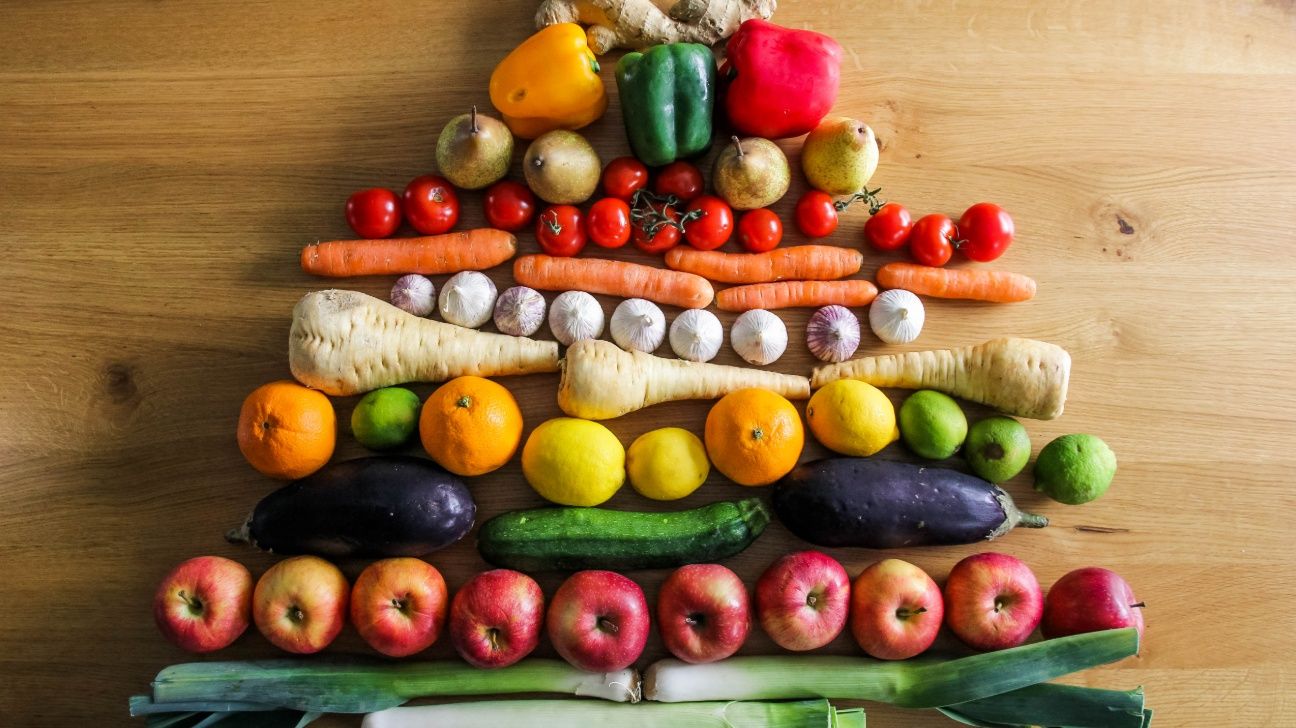
- A new international food pyramid developed by 22 nutrition experts emphasizes plant-based foods, healthier fats, and high fiber carbohydrates.
- Unlike the updated U.S. dietary guidelines, which place greater emphasis on animal proteins, the new pyramid prioritizes plant-based proteins and unsaturated plant oils while still allowing for lean animal proteins.
- Research suggests plant-forward eating patterns, including the Mediterranean and DASH diets, may support cardiovascular health and help manage cholesterol, blood pressure, and blood sugar.
A first-of-its-kind international food pyramid, developed by 22 leading nutritionists from Europe, Canada, the United States, and Australia, was published in Advances in Nutrition in September.
This new food pyramid emphasizes plant-based protein sources, cooking with plant-based oils, and healthier sugars and carbohydrates.
It also echoes the traditional food pyramid used in the United States since 1992.
The new pyramid breaks away from the Trump administration’s updated nutritional guidelines, which are part of Health Secretary Robert F. Kennedy Jr.’s Make America Health Again (MAHA) agenda and prioritize red meat over plants.
The new pyramid was designed by a research team led by Brigham Young University professor Karen Della Corte. The researchers noted that this is the first international food pyramid that is designed to reflect scientific agreement across multiple countries and cultures.
The three guiding principles behind the new pyramid
Della Corte and researchers from the International Carbohydrate Quality Consortium (ICQC), compared dietary guidelines from multiple countries, including:
- Canada
- Germany
- Australia
- United States
- China
- The Netherlands
- The Nordic countries
They also analyzed evidence from more than 250 scientific publications, while drawing on the EAT-Lancet Planetary Health Diet to identify principles of healthy eating that may be shared.
The new pyramid highlights three guidelines:
- Plant foods as the foundation: Make vegetables, fruits, whole grains, and legumes the base of your healthy diet.
- Choose healthier fats and proteins: Try to choose unsaturated plant oils (olive, canola) over saturated fats (butter, tallow), and poultry, fish, and legumes over red and processed meats.
- Prioritize carbohydrate quality over quantity: Consider factors such as fiber content, processing level, and glycemic index, rather than focusing solely on the total grams of carbohydrates.
While the pyramid emphasizes plant-based proteins, it doesn’t exclude animal proteins.
“I find the new international food pyramid a more practical and aligned approach for the prevention of chronic disease,” said Michelle Routhenstein, Preventive Cardiology Dietitian at Entirely Nourished, who wasn’t involved in the creation of the food pyramid.
“The new international food pyramid places greater emphasis on food quality and the importance of building meals around nutrient-dense plant foods, while still allowing room for lean animal proteins such as fish, poultry, eggs, and yogurt,” she added.
How the new pyramid compares to U.S. Dietary Guidelines
While the new pyramid and the current U.S. dietary guidelines differ in many ways, they also agree on certain factors.
For example, both sets of guidelines discourage added sugars, refined carbs, and highly processed snacks.
The differences between the two mainly lie in their emphasis on specific sources of protein and fat. For example, the new pyramid prioritizes plant-based proteins, while the U.S. guidelines place greater emphasis on animal proteins, including red meat.
While both sets of recommendations advise limiting saturated fat, the new pyramid emphasizes unsaturated plant oils, whereas the U.S. guidelines also include butter and beef tallow as cooking fat options.
Routhenstein noted that an important distinction is that this new pyramid goes beyond simply telling people to eat more protein or fewer carbohydrates. Instead, it encourages people to consider the quality and sources of those nutrients.
However, the main emphasis of both guidelines is encouraging people to eat fewer ultra-processed foods and more natural or “real” foods.
How is a plant-based diet beneficial?
Routhenstein told Healthline that research consistently shows that plant-forward eating patterns, including the Mediterranean and DASH diets, are associated with better cardiovascular health and a lower risk of heart disease.
Plant foods provide fiber, potassium, antioxidants, and other beneficial compounds that can help support healthy cholesterol levels, blood pressure, blood sugar, and blood vessel function.
“This is not to say that protein and fat are unimportant, but their sources matter,” Routhenstein said.
How to apply the new pyramid’s principles to your plate
In a statement from BYU, Della Corte shared the following tips for incorporating the new pyramid’s recommendations into your diet:
- Choose beans, peas, lentils, fish, poultry, or yogurt more often than red and processed meats. Don’t make meat the biggest part of a meal.
- Choose snacks such as nuts, seeds, fruit, or vegetables with hummus instead of less nutritious processed snacks.
- Choose whole grain bread over refined white bread and whole grain or high fiber cereals over refined, puffed, flaked, or popped cereals.
- Cook with canola or olive oil instead of animal fats such as butter or tallow.
- Drink water or sugar-free sparkling water instead of sugary soda.
The pyramid is a framework, not a personalized prescription. If you have questions about your individual nutritional needs, you can speak with your healthcare professional or a licensed dietitian.
“It is important to recognize that plant-forward does not mean vegan or vegetarian. The amount and sources of animal protein should be considered to ensure they align with an individual’s cardiometabolic goals and lab targets,” Routhenstein said.
Popular Products
-
 Wireless Caregiver Pager Calling System
$138.99$100.78 -
 Infrared Heat Lamp Therapy Floor Stand
$147.99$55.78 -
 Adjustable Slant Board Calf Stretchin...
$176.99$99.78 -
 Body Scrub Massage Brush
$43.99$29.78 -
 Lumbar Support Seat Pad
$103.99$71.78