People Who Eat More Red Meat May Have Higher Risk Of Type 2 Diabetes
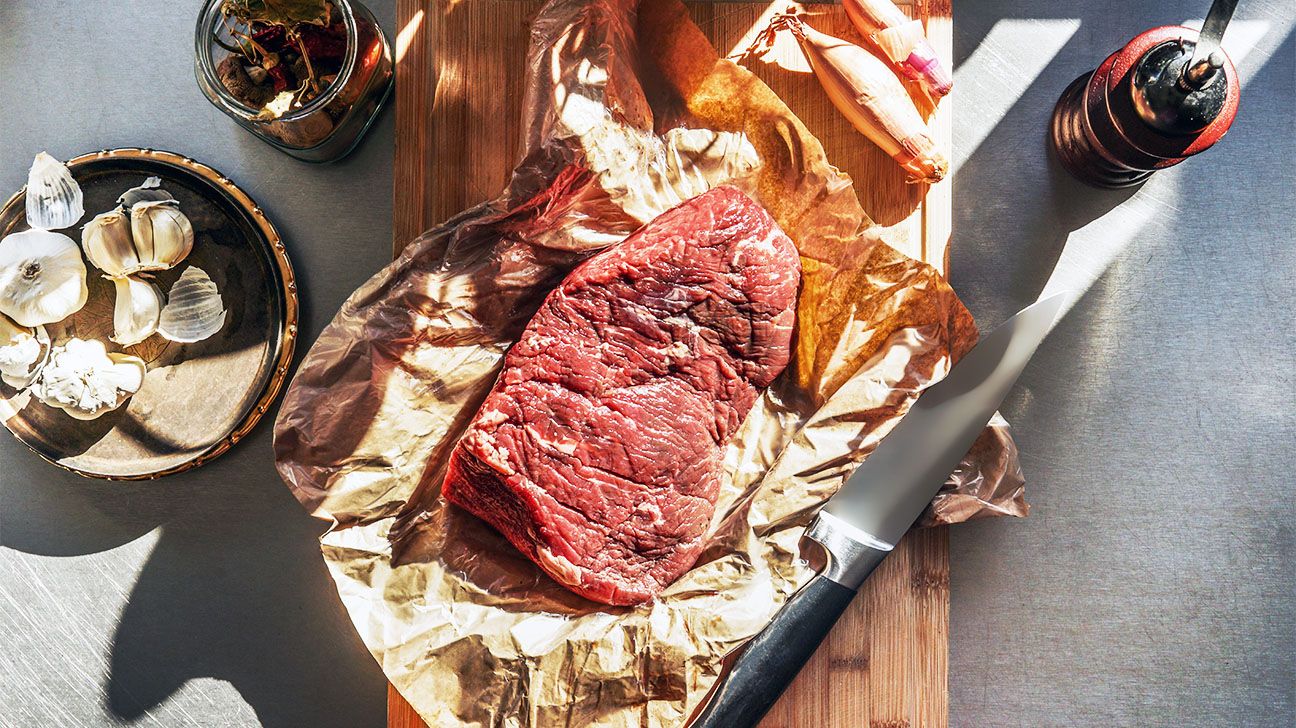
- A recent study found that a person’s red meat consumption may increase their risk of type 2 diabetes.
- The findings also suggest that consuming alternative proteins may help reduce the risk of diabetes.
- Nutrition experts offer alternative protein options to red meat to help maintain overall health.
Diabetes is a growing health concern in the United States. According to the Centers for Disease Control and Prevention (CDC), 40.1 million people had diabetes in 2023, and 115.2 million had prediabetes.
The CDC also notes that among those with diabetes, 90% to 95% have type 2 diabetes.
Type 2 diabetes can generally be prevented or delayed with lifestyle changes, such as diet, exercise, and weight management.
A recent study published in the British Journal of Nutrition found that higher red meat intake was associated with a higher risk of diabetes.
It also found that substituting red meat for other protein sources may help lower a person’s risk of developing diabetes.
“This study adds to a consistent body of research showing that higher red meat intake is linked with higher rates of type 2 diabetes,” said Michelle Routhenstein, a preventive cardiology dietitian at Entirely Nourished, who was not involved in the study.
“In this large NHANES analysis, those eating the most red meat had about 49% higher odds of having diabetes compared to those eating the least. When we see similar findings across different types of research, it strengthens the overall message,” Routhestein told Healthline.
Higher red meat intake and diabetes risk
In this population-based cross-sectional study, the researchers analyzed data from the National Health and Nutrition Examination Survey (NHANES) from 2003 to 2016.
They defined having diabetes as “being diagnosed by a physician or other health professional, having a fasting plasma glucose of 126 mg/dL or higher, an HbA1c level of 6.5% or higher, or the use of antidiabetic drugs.”
The study included 34,737 participants with an average age of 45.8. Among these, 10.5% had diabetes. Those who had the highest intake of total red meat consumed an average of 5.72 ounces per day.
After the researchers adjusted for demographics, lifestyle, socioeconomic status, and other dietary habits, they found that higher red meat consumption was associated with increased diabetes risk.
However, it is important to note that association does not establish a causal relationship. “While this type of study cannot prove cause and effect, the results closely align with long-term prospective studies that show a clear dose-response relationship, especially for processed red meat,” Routhenstein said.
After repeated analyses, the researchers found that each additional serving of total red meat per day was associated with a 16% increased risk of diabetes. They also found that each serving of processed or unprocessed red meat gave a 10% higher risk of diabetes.
“Red meat is generally defined to include beef, veal, pork, lamb, and game meat,” said David Cutler, MD, board certified family medicine physician at Providence Saint John’s Health Center in Santa Monica, CA, who was not involved in the study.
“There are longstanding recommendations from nutrition and diabetes experts to limit red meat by consuming it only in low frequency and small amounts, choosing leaner cuts and avoiding processed meats, like bacon, ham, and sausages, altogether. I suggest no more than two servings of red meat per week, with a serving [being] about the size of your fist, 4 to 6 ounces,” Cutler told Healthline.
Routhenstein elaborated by recommending no more than 1 serving per week of red meat.
“If eliminating it right away feels overwhelming, a helpful first step is transitioning to leaner cuts such as sirloin, tenderloin, or 90–95% lean ground beef,” she said. “The goal is not total avoidance, but shifting red meat from a daily habit to an occasional choice.”
Red meat substitutions may lower diabetes risk by up to 14%
The study analyzed how substituting red meat for other proteins may affect a person’s risk of diabetes.
They found that participants who replaced one serving of red meat per day with plant-based protein sources, such as legumes, nuts or seeds, or soy products, showed a 14% reduced risk of diabetes.
Participants who substituted dairy, poultry, or whole grains for red meat saw an 11% to 12% reduction in diabetes risk.
This suggests that replacing red meat with plant-based proteins may be associated with a lower risk of diabetes. However, causality has yet to be established.
“The strongest evidence supports plant proteins such as beans, lentils, chickpeas, tofu, and tempeh. These foods provide fiber, healthy fats, and plant compounds that improve insulin sensitivity and support blood sugar control,” said Routhenstein.
“Importantly, this does not mean someone has to go vegan. The goal is not eliminating animal foods entirely, but shifting the balance of the plate,” she continued.
What are other risk factors for diabetes?
Dietary habits are just one aspect that affects diabetes risk.
“Reducing added sugar and ultra-processed foods, encouraging plant-based proteins and whole grains, and not forgetting to control weight and promote exercise will all contribute to decreasing the risk of developing diabetes,” Cutler said.
Other risk factors for type 2 diabetes include:
- having overweight or obesity
- being 45 years or older
- having prediabetes
- having fatty liver disease
- having a parent or sibling with type 2 diabetes
- having a history of gestational diabetes or giving birth to a baby who weighed 9 lbs or more
If you have concerns about your risk factors for diabetes, speak with your healthcare professional.
“Small, sustainable shifts such as swapping one red meat meal per week for lentils or fish, or choosing leaner cuts while reducing frequency, may help lower long-term diabetes risk. Progress comes from consistency, not perfection,” said Routhenstein.
Popular Products
-
 Psyllium Husk Supplement for Digestio...
$28.99$19.78 -
 Electric Heating Shoulder & Knee Vibr...
$93.99$64.78 -
 Sevich Hair Fiber Regrowth Spray With...
$53.99$36.78 -
 Sevich Chebe Hair Loss Treatment Set
$73.99$50.78 -
 Super Fenugreek & Rosemary Hair Regro...
$117.99$81.78