Regular Exercise Can Help Reduce Anxiety And Make You More Resilient
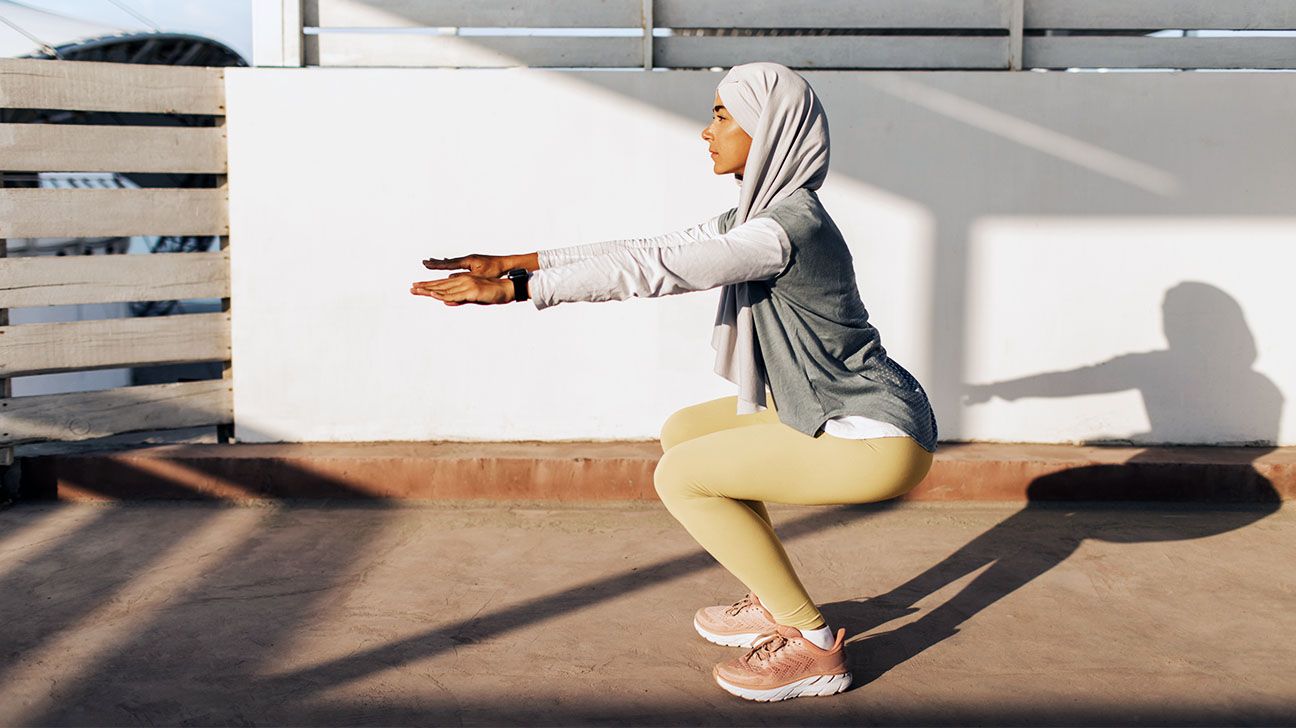
- Recent research has shown that people who have higher levels of physical activity may be more resilient during stressful situations.
- The research also found that physical activity may lead to lower anxiety levels.
- The study noted that higher cardiorespiratory fitness is associated with lower anger levels and greater emotional resilience.
Physical activity has long been associated with managing various mental health conditions, including anxiety disorders.
Lesser known is whether individuals with higher levels of physical fitness experience fewer anxiety symptoms and stressful emotions.
A recent study published in Acta Psychologica investigated whether higher cardiorespiratory fitness may be associated with lower levels of anxiety and anger. The researchers examined whether people with different fitness levels exhibit distinct emotional responses to unpleasant visual stimuli.
The findings indicate that people with higher levels of physical activity experienced less anxiety and greater emotional resilience in response to stressful situations.
“These findings make a lot of sense to me. I consistently recommend regular exercise to my patients and believe that regular physical activity is an important piece of strong emotional health,” Nissa Keyashian, MD, board certified psychiatrist and author of “Practicing Stillness,” who was not involved in the study, told Healthline.
Physical activity reduces stress, builds emotional resilience
The study involved 40 healthy individuals between the ages of 18 and 40. The participants were divided into two groups: above-average (AA) and below-average (BA) fitness levels.
Each participant self-reported their exercise habits in order to predict their cardiorespiratory fitness (CRF). They completed two sessions on separate days. In these sessions, the participants’ anger and anxiety levels were assessed before and after exposure to a 69-picture set of unpleasant or neutral images for 30 minutes.
The study found clear differences in how the two groups coped with stress.
Both groups felt more tense after looking at the upsetting images. However, the AA group started with overall lower levels of anger and anxiety in their daily lives, and stayed calmer. The BA group showed a 775% greater risk of seeing their anxiety levels increase from moderate to high.
“Our findings indicate that individuals with higher CRF tend to exhibit lower trait anxiety and greater resilience when exposed to emotionally stressful stimuli, reinforcing the growing evidence that physical activity plays an important role in emotional health,” the researchers wrote.
“I think it’s a good study showing that consistent physical exercise helps people who do not have mental health problems deal with dysregulating and stressful events better than if they did not engage in such activities,” said Karyne Wilner, PsyD, a licensed clinical psychologist and author of “Releasing Toxic Anger for Women,” who was not involved in the study.
“It would be interesting to do the same study with people who have been diagnosed as depressed, anxious, or [with schizophrenia],” she told Healthline.
Other benefits of regular physical activity
Physical activity provides numerous benefits, both physical and mental.
The World Health Organization (WHO) states that physical activity can contribute to the prevention and management of various conditions, such as:
Regular exercise can also reduce the symptoms of anxiety and depression, as well as enhance brain health and improve overall well-being.
A 2023 review found that increased physical activity can reduce the effects of “psychotic” symptoms and manage medical comorbidities that can accompany “psychotic disorders.”
The Centers for Disease Control and Prevention (CDC) notes that physical activity can also help improve overall functioning, help you feel better, and improve sleep. This can increase your overall mental and physical well-being.
What if you don’t feel like exercising?
Sometimes, it may feel as though your mental health is keeping you from being able to be physically active.
“People find a fun or interesting activity that will add value to their life and that they can commit to practicing regularly,” Keyashian said.
“If someone has any interest in yoga, this can be particularly helpful for anxiety and/or anger as it can be very grounding and meditative.”
She added that if you feel you are having difficulty getting started, you can try setting small goals and celebrating any progress.
“Even if it feels cheesy to celebrate a small walk, see if you can let go of any judgment and celebrate your forward progress. Doing so will help you keep moving forward. We have a tendency to minimize our gains and focus on our setbacks, and this may prevent us from continuing on in establishing a new habit,” Keyashian said.
Wilner agreed. “By rewarding themselves with a favorite food, movie, or activity before or after each walk, yoga class, or physical experience, they may motivate themselves to continue to exercise so that they can enjoy the benefits of better health,” she said.
Wilner recommended keeping a notebook to record the impact physical activity has on you — whether you feel better, worse, or the same.
Other ways to manage stress and anxiety
Physical activity is one way you can manage your stress and anxiety levels.
According to the National Institute of Mental Health (NIMH), learning what causes or triggers your stress and anxiety can help you learn what coping techniques work best for you.
The NIMH recommends the following activities to help manage stress and anxiety:
- Make sure you are getting enough sleep and stick to a sleep routine.
- Avoid drinking excess amounts of caffeine.
- Identify and challenge any negative and unhelpful thoughts.
- Reach out to friends and family who can help you cope in a positive way.
- Keep a journal.
If you feel that stress and anxiety may be affecting your day-to-day life, you may wish to consider speaking with a mental health professional.
Popular Products
-
 Rollator Walker & Transport Chair
$410.99$286.78 -
 Electronic Bidet Toilet Seat
$981.56$490.78 -
 Adjustable Anti-Snoring Mouth Guard S...
$40.99$27.78 -
 Massage Ball & Peanut Massage Stick
$30.99$20.78 -
 Yoga Rally Elastic Resistance Bands
$30.99$20.78