Inside Two Companies’ Models For Meeting The Growing Active Adult Opportunity
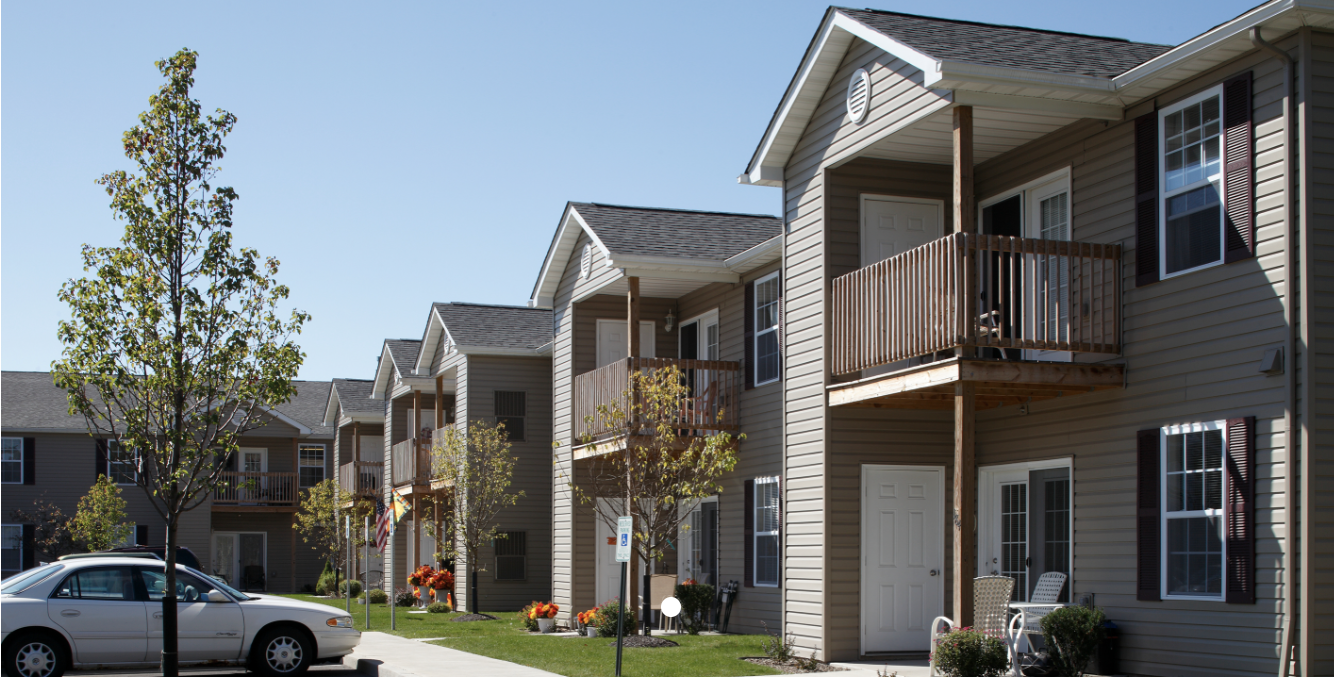
Senior living companies are forging ahead with new and updated models for meeting the boomers’ desire for active adult lifestyles.
One such company is Williamsville, New York-based One Clover. The operator, previously known as Clover, built its first active adult community in a suburb of Buffalo, New York in 1999. The company rebranded as “One Clover” in 2024, and today grows along the corridor along the north-south highway I-75. Today the company’s 85 active adult communities range in location from Toledo, Ohio to cities in Michigan. One Clover opened the company’s first community in the Chicago area within the last year. The operator’s leadership team pushes for up to three new developments per year, primarily in secondary and tertiary markets.
Industry veteran Bill Pettit, who founded Merrill Gardens, was for decades the president of the RD Merrill Co. and is now a partner at Black Dog Capital Advisors, now has his sights set on the active adult sector. Black Dog has one active adult development underway in Washington and another slated to begin construction in the first quarter of 2027. Pettit, whose company had subsisted on multifamily projects for years, sought out active adult to provide a less expensive offering for older adults who don’t yet require the services of a senior living operator but still want to connect with others.
To launch the company’s active adult platform in 2023, Pettit partnered with his son, Billy Pettit, who built a multifamily platform for Pillar Properties. He also sought the services of the development partner he worked with to build 26 properties while at Merrill Gardens.
Underpinning these two models is the fact that demand is rising for senior housing among the boomer generation. According to the latest NIC data, the average active adult resident is in their 60s or early 70s when they move in, a group that is smack dab in the middle of the industry’s looming age wave.
There also is still a long runway left to build more communities. Unlike senior living, NIC data shows active adult penetration rates are below 1% in most markets across the U.S. People between the age of 65 and 74 represent about 10% of all renters in the U.S., and the group is currently the fastest-growing renter demographic, NIC data shows.
Companies building active adult including One Clover and Black Dog aren’t just expanding without reason, they are choosing the markets and designs that appeal to future residents and hold further growth potential.
Inside Black Dog’s model
The Black Dog thesis behind active adult is one based on costs for residents.
Senior living communities are expensive for residents and becoming more expensive every year as operators grow rental rates. Because active adult communities lack a care component, their operators can employ far fewer staffers onsite and keep them running smoothly. That allows active adult operators to charge rates that, while are still a premium compared to multifamily, are a good discount compared to independent living.
“I saw a way that we could provide 70% plus of the benefits of a full-service community for about half the cost,” Pettit said.
Black Dog’s two communities are in proximity to restaurants and retail and contain amenities and design elements like fitness centers with equipment designed for older adults, a community pool and hot tub. The company is equipping spaces with full kitchens and washer and dryer units, with planned one- and two-bedroom layouts to accommodate incoming residents’ preferences for larger units.
“It fits the sense that you still have your home. It’s just in an area where you fall into socialization just by walking out your door and heading down to some purpose-built gathering areas, whether it’s a pub, coffee shop, library or lounge,” Pettit said. “Just by moving through the building, you’re seeing people that you know and have met, or will be meeting in the future.”
The company is aiming to build communities in markets where adult children will gather to raise families.
“We can build these in small neighborhood centers. We can build them in the suburbs, and seniors can have the choice of participating in an active adult lifestyle while being close to the neighborhoods where they grew up,” Pettit said.
Active adult prospects carry an average age of 72 compared to the 83- and 84-year-old average in senior living, Pettit added. That means active adult residents have as much as anadditional decade of mobility, wellness and activities ahead of time. To promote socialization among residents, Pettit’s communities create resident profiles to determine how they engage with activities and what they like.
Inside One Clover’s model
One Clover has grown via development and the company is seeking both opportunities to build anew and buy communities. The company manages 69 properties for Welltower (NYSE: WELL), including 25 Emerald Reserve branded communities.
The One Clover model is geared toward middle-income older adults through sourcing repeat contractors for development, resulting in cheaper construction costs that keep rates lower.
One Clover’s leadership team and Pendleton see the company’s full vertical integration with development, construction and management, as a “huge advantage” for future growth.
The company’s leaders have their eye on secondary and tertiary markets, but they aren’t opposed to entering major metro areas if the opportunity is right. One Clover recently opened a community in Chicago region and in St. Louis, making its first entrance in a primary market.
While it typically sees around 5,000 prospects from within a 10-mile radius of its communities, when entering into Crystal Lake, Illinois, that number jumped to around 20,000.
“The people are there, and when looking at the competition, we didn’t see anybody doing what we were doing,” Pendleton said. “Everything was either subsidized or really high-end active adult product.”
One Clover’s offerings are directed toward middle market prospects, and in Chicago, Pendleton sees potential in the suburbs in reaching an older adult population that relies mainly on Social Security as its income.
Going into 2027, One Clover is still pursuing ground up development, with a project going into the Indianapolis market and a second Chicago-area development looking to break ground in North Aurora. One Clover’s leadership is also examining land deals in Michigan and Albany, New York, to continue expanding its regional coverage near other communities it already operates, while growing occupancy to an average of 93.5% across the portfolio.
“I hope that 2027 is a year of steady, consistent, manageable growth,” Pendleton said. “I think that would mean that we’re on track.”
The post Inside Two Companies’ Models for Meeting the Growing Active Adult Opportunity appeared first on Senior Housing News.
Popular Products
-
 Cable Organizer Box for Desk & Outlet
$118.99$69.78 -
 PVC Non-Slip Bathtub Mat with Suction...
$103.99$71.78 -
 Adjustable Plug-in LED Night Light
$61.56$30.78 -
 BroadLink RM4C Mini Smart Wi-Fi Unive...
$118.99$22.78 -
 Echo Hub Smart Home Control Panel wit...
$532.99$361.78