Mortgage Rates Hold Near 6.85% Ahead Of Fed Meeting
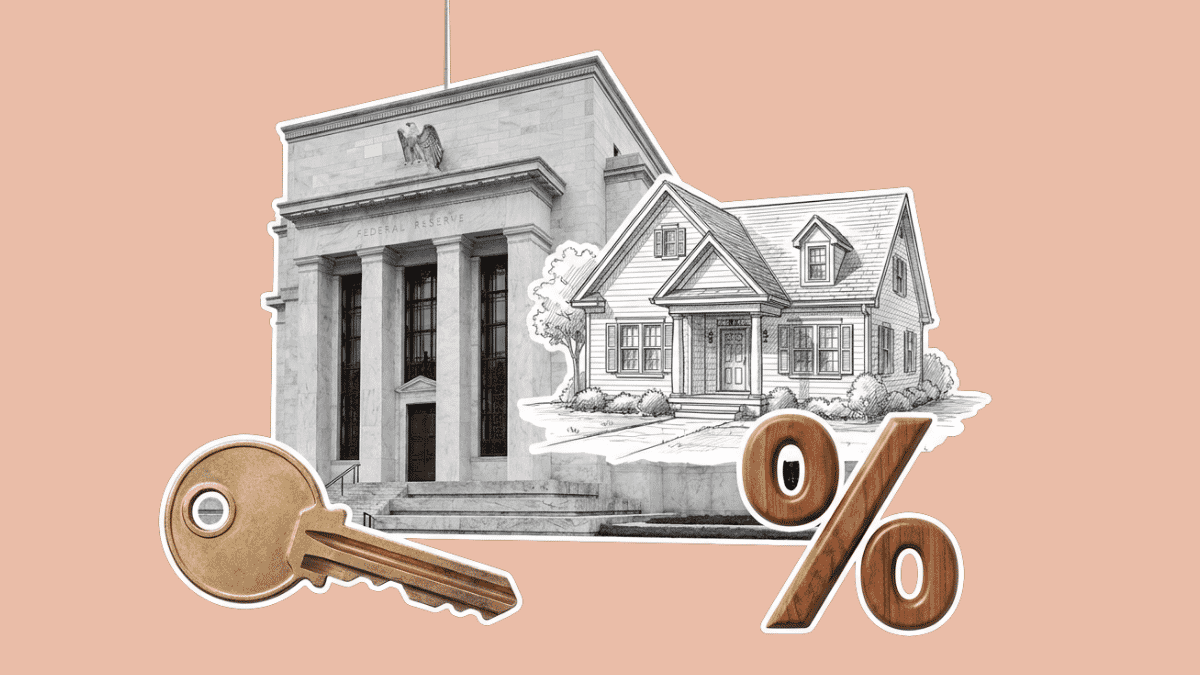
Mortgage rates stayed in the upper 6% range over the last week as investors weighed persistent inflation concerns, geopolitical tensions and uncertainty ahead of next week’s Federal Reserve meeting.
At HousingWire‘s Mortgage Rates Center on Tuesday, rates for 30-year conventional loans averaged 6.85%, a slight decrease from last week’s 6.86%. Rates for 30-year loans through the Federal Housing Administration (FHA) rose 10 bps to 6.55% while rates for 30-year jumbo loans decreased by 3 bps to 6.84%.
Industry experts said mortgage rates remain closely tied to the 10-year Treasury yield, which has climbed as rising oil prices and conflict in the Middle East renewed fears that inflation could remain elevated.
“Mortgage rates moved lower last week as inflation data came in better than expected, but we’ve also seen how quickly the outlook can change,” said Benjamin Cohen, managing director and senior vice president of mortgage lending at Rate. “Rising tensions in the Middle East have pushed oil prices higher and reminded markets that inflation risks haven’t disappeared.”
Cohen said investors will watch next week’s Fed meeting closely, not just for a rate decision, but for policymakers’ assessment of inflation and geopolitical risks.
Fed tone, oil prices drive rate expectations
Some experts said inflation expectations, rather than the Fed’s benchmark rate itself, are the primary driver of borrowing costs. Charles Goodwin, vice president and head of bridge and DSCR lending at Kiavi, said hawkish Fed commentary and renewed oil price concerns have pushed rates back into the mid-6% range.
The CME Group‘s FedWatch tool showed that 82.4% of interest rate traders now believe benchmark rates will stay unchanged after the July 29 meeting of the Federal Open Market Committee (FOMC), down from 88% last week.
“Commentary from the Fed has been clearly hawkish, with numerous Fed members and Fed Chair Warsh focusing more on the inflation narrative than the labor narrative,” Goodwin said. “Expect rates to stay in this range barring any breakthroughs in the Middle East, easing inflation data, or very weak labor data.”
Sarah DeFlorio, vice president of mortgage banking at William Raveis Mortgage, said higher Treasury yields have erased much of the recent improvement in mortgage rates.
“Mortgage rates are being directly impacted by rising oil prices and the increased risk of sticky inflation that comes with it,” DeFlorio said.
DeFlorio added that while many had hoped Warsh’s appointment as Fed chair would translate into lower rates, the “unpleasant reality of the macro global environment” is making that “particularly difficult to do.”
Mike Nielsen, a home loan specialist at Churchill Mortgage, agrees, noting that a resilient economy and stubborn inflation continue to push investors toward equities over fixed-income assets, limiting the likelihood of significantly lower rates.
“The combo of a decent economy with the current inflation numbers just doesn’t add up to a low-rate market,” Nielsen said.
Kevin Watson, district manager also at Churchill Mortgage, said renewed fighting in the Middle East has amplified concerns about oil supplies moving through the Strait of Hormuz, contributing to higher inflation expectations and Treasury yields. “We don’t anticipate rates will come down anytime soon, likely until we get a new ceasefire – and only if it actually sticks. Considering that, I wouldn’t expect to see relief on mortgage rates until 2027.”
That uncertainty is adding upward pressure to mortgage pricing, explained Grace Maxwell, broker-owner at Canter Financial.
“The more uncertainty that investors have for market conditions … the higher of a spread they will want to see to factor in that additional risk,” Maxwell said. “Right now, conflict in Iran is driving oil price volatility … which translates to higher mortgage rates to the American borrower.”
Affordability stabilizing, but challenges persist
Even as borrowing costs remain elevated, some housing data suggest affordability may be stabilizing. Kenon Chen, executive vice president of strategy and growth at Clear Capital, said the company’s June Home Data Index showed national home prices rose 2.2% quarter over quarter, with every region posting gains.
While affordability remains strained, Chen said monthly payment burdens appear more manageable than some headlines suggest when viewed in historical context, though rising insurance costs and HOA fees continue to pressure buyers.
Marc Halpern, CEO of Foundation Mortgage, said affordability remains the market’s biggest challenge as buyers contend with elevated rates, home prices, insurance premiums and property taxes simultaneously.
Rather than waiting for rates to fall sharply, Halpern said borrowers should focus on finding affordable monthly payments by comparing lenders and exploring options such as seller concessions, temporary or permanent rate buydowns, adjustable-rate mortgages and alternative loan products.
“Borrowers should shop multiple lenders, strengthen their credit and reserves, and negotiate aggressively in markets where inventory and price reductions are increasing,” he said. “They should not postpone a sound purchase solely to time the rate market.”
Popular Products
-
 Adjustable Shower Chair Seat
$107.56$53.78 -
 Foldable Toilet Grab Bar
$357.99$249.78 -
 Heated Massage Recliner Lounge Chair
$641.99$383.78 -
 Ergonomic Mesh Reclining Gaming Chair
$291.99$203.78 -
 Executive Office Desk Set
$601.99$359.78