Senior Living Architecture Firms Anticipate Development Surge In 2026, 2027
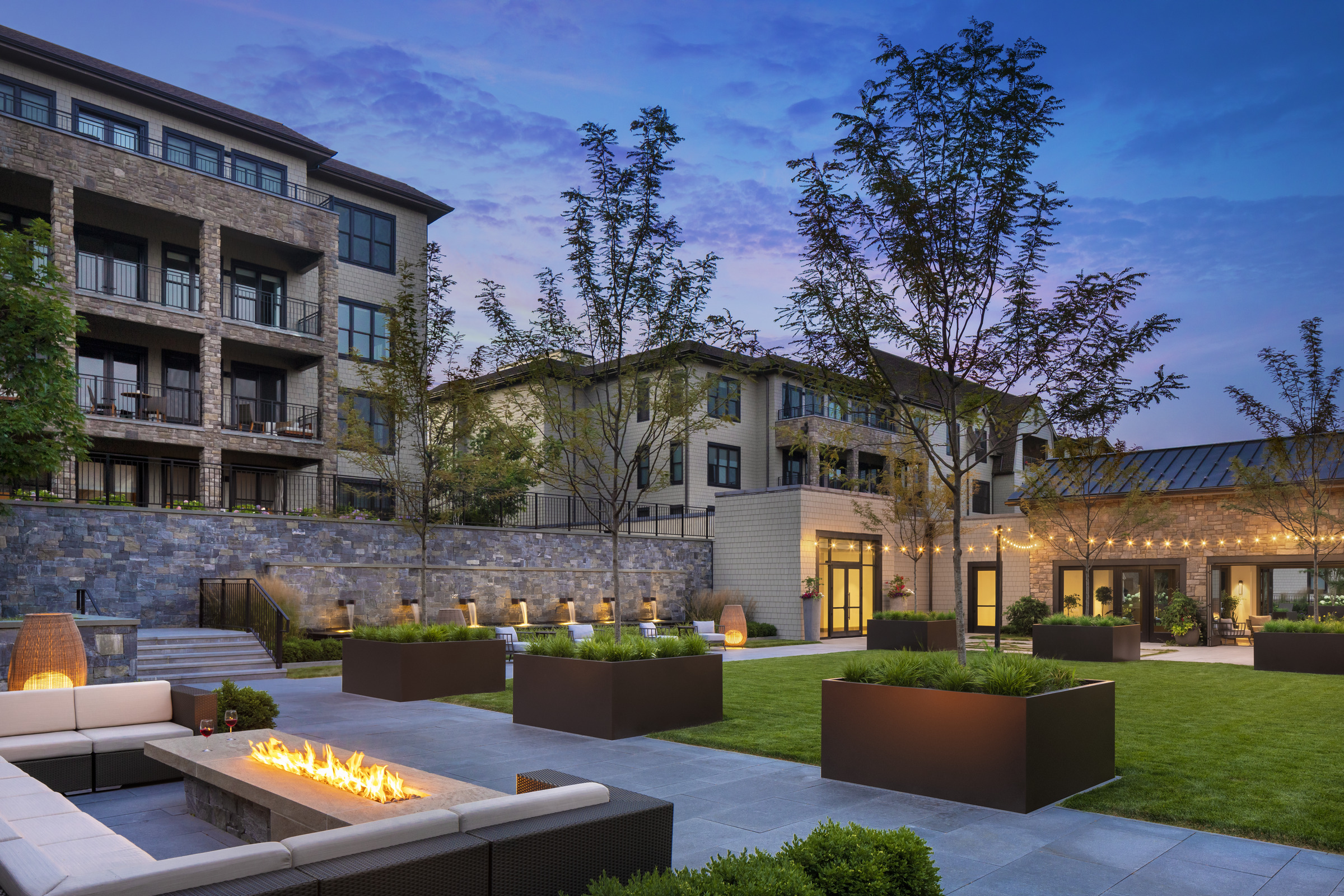
Despite a general lack of new units coming in, senior living designers and architects have had their hands full over the past year.
The senior living sector is currently experiencing an occupancy boom driven by a wave of demand from baby boomers amid low inventory growth over the past two years. However, new construction projects – delayed by economic strain – are picking up and may shift the outlook.
Most recently, the National Investment Center for Seniors Housing and Care (NIC) reported that as of January, there was only 1% new inventory growth for three consecutive quarters, with only 1,900 new units being opened in the fourth quarter of 2025.
However, architecture firms that design and help develop new and existing communities say they have remained busy through 2025 and into 2026, working on renovation projects, master planning communities and preparing for new community builds, particularly with university partnerships and nonprofits.
“Regionally in the southeast, we’re not seeing a lull,” Greg Gauthreaux, associate principal at Perkins Eastman, told Senior Housing News. “These are not-for-profit clients, and so I think what we’re seeing is they’re starting to move forward on development plans that have been in the works.”
Meanwhile, Cynthia Shonaiya, principal of senior housing and affordable housing studio leader at HCM, said the number of projects that had been on pause due to economic reasons are now becoming active again. The Baltimore, Maryland-based firm is also seeing a surge in requests for proposals and new project inquiries across the continuum, including standalone independent living, active adult and independent living, assisted living and memory care projects.
“We’re finding that multiple projects in active schematic design or concept design phases are being greenlit now,” Shonaiya said. “It seems like some of our clients that had been watching the market and also demand have decided that this is the time to move forward.”
What is moving forward
For Max Winters, senior designer for RLPS Architects, the majority of the demand is coming from older communities, typically ranging from 30 to 50 years old, that are in need of updates. These communities are “looking critically” at their offerings and planning ahead to remain relevant.
That master planning is meant to help future-proof communities and prepare for the next 10 to 15 years, despite ongoing construction challenges, Winters said. The time it takes for projects to pencil out and move into development remains a challenge in itself.
“Organizations are really saying this is our sort of final moment to address whatever is coming,” Winters told SHN. “Even though interest rates are difficult right now and it makes financing projects challenging, if you’re starting with a broad planning exercise, by the time you start that, from the time you even have a project that’s ready to go to the market to finance, you’re probably talking about 12 to 18 months.”
According to Shonaiya, planning and development activity began to pick up in late 2025 and early 2026. HCM is currently working on a combination of developing new projects from the ground up while repositioning older assets. One repeat client, she said, is focusing on renovating its portfolio of older communities, leading to “quite a pipeline” of work needing to be completed. However, roughly 45% of the projects coming to the firm are new developments.
While Perkins Eastman is a global brand, Gauthreaux said there has been significant construction activity along the southeast region of the country and California. For the firm’s nonprofit clients, part of the reason they are beginning now is because some projects have been in the works for years, while others are just beginning to be planned, with the understanding that they could take three to four years to come to fruition. There has also been an increased interest in universities and senior living partnerships, leading to a current “surge” in demand.
Successful projects run the “full gamut,” according Gauthreaux, ranging from independent living, “smaller, skilled care specific projects” and 200 to 300 unit full continuum communities. Perkins Eastman has seen an increased demand for affordable housing projects, both on the not-for-profit and for-profit sides of the business.
“We’re also seeing some more unique housing products being added to projects like affordable housing. That opens up sort of alternative funding sources for these projects,” Gauthreaux said.
All told, there is an increasing disparity between top-end luxury projects penciling out and everything else, particularly in choice destinations such as Florida, Winters notes. Entry-fee communities in particular are having an easier time breaking ground, despite headwinds from increased construction costs and interest rates.
What project demand means
With the uptick in design requests architects are seeing, there is more optimism for new development to continue trending upward through the remainder of 2026 and into 2027. Shonaiya expects that trend to continue, driven by the increasing number of older adults reaching 75 years old over the next decade.
“We’re at the cusp,” Shonaiya said. “What we’re experiencing at HCM, I believe, is the beginning of that growth.”
Based on the amount of interest the firm is receiving, Shonaiya said she has made six new hires since the beginning of the year, and is still looking to add more.
Among those looking to develop, she added, are some of HCM’s long-term partners and developers who have the capital to move forward, some of whom are seeing interest from private equity coming into the industry.
Key trends in new community design include additional flexibility for a more fluid transition through the continuum of care, according to Winters.
“Historically, it’s been a very clear silo between independent living, then I moved to assisted living, then I moved to skilled nursing,” he said. “I think what consumers are demanding and organizations are having to respond to is the ability to deliver care more flexibly in a higher variety of environments, and a much smoother gradient as people’s needs change and evolve, rather than these very kind of rigid buckets of the continuum that we know.”
Gauthreaux added that he expects to see more university and senior living partnerships on the scene in the near future, as Perkins Eastman is seeing “quite an uptick” in interest in these projects, and new communities will have to become more sophisticated to keep up with the demands of residents.
“It’s not the same population that we were designing for even five to 10 years ago,” Gauthreaux said. “If we can design the facilities and the communities to partner with the communities in a better way, that’s what they’re looking for. They don’t want to be behind the more conventional gated retirement communities anymore. They want to be part of the broader community.”
The post Senior Living Architecture Firms Anticipate Development Surge in 2026, 2027 appeared first on Senior Housing News.
Popular Products
-
 Smart Bluetooth Aroma Diffuser
$585.56$292.87 -
 WiFi Smart Video Doorbell Camera with...
$61.56$30.78 -
 Wireless Waterproof Smart Doorbell wi...
$20.99$13.78 -
 Wireless Remote Button Pusher for Hom...
$65.99$45.78 -
 Digital Coffee Cup Warmer with Temp D...
$88.99$61.78