Client Relationships Are Tested When The Storm Hits
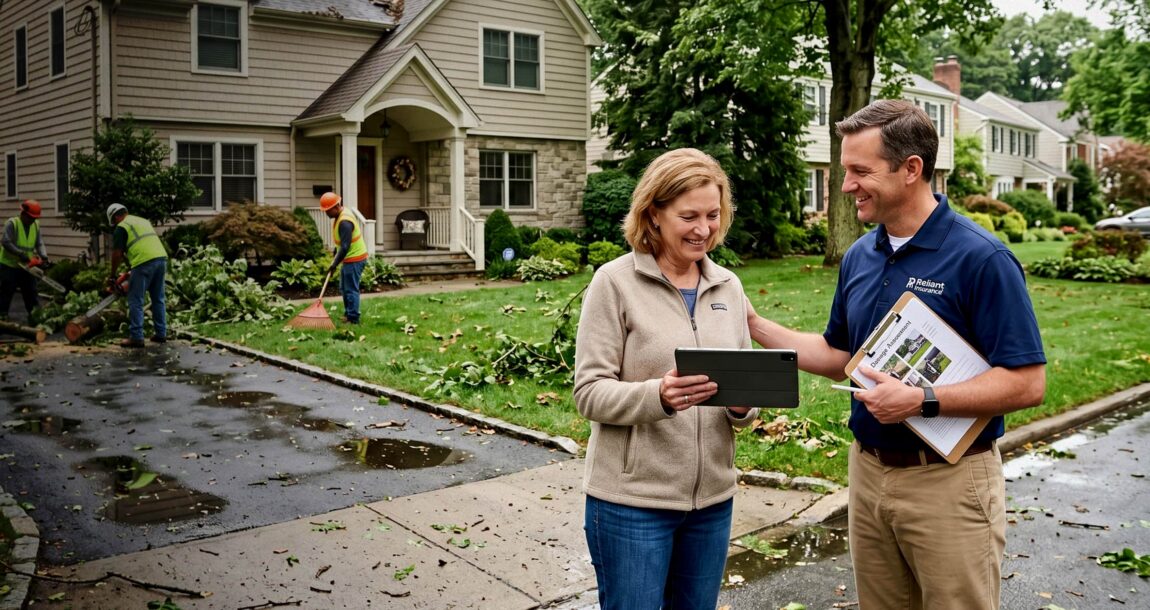
For millions of policyholders in storm-prone regions, the Atlantic hurricane season, which runs from June 1 to Nov. 30, is when their relationship with their insurer is most likely to be tested.
When claims surge and stress is already high, communication becomes more than a functional necessity; it becomes the experience. Every interaction carries weight, and the difference between clear, actionable guidance and hard-to-interpret language can shape whether a policyholder gets the help they need or gets left behind.
Yet many insurers still rely on communications that are overly technical and difficult to navigate. For a policyholder who may be displaced from their home and trying to file a claim, deciphering complex policy language shouldn’t be part of the process. When it is, it highlights a gap – not in coverage, but in how that coverage is communicated.
Improving the claims experience goes beyond technology and process; it should be part of an insurer’s broader customer engagement strategy. It often starts with making communication simpler and clearer, aligned with what policyholders need in the moment. But it doesn’t stop there; insurers also must focus on the following key areas.
Equipping teams to respond under pressure
During a major storm, claims volumes can rise dramatically in a matter of days. At the same time, brokers, adjusters and customer support teams are managing their own capacity constraints while trying to respond as quickly as possible.
Preparation makes a meaningful difference here. Clear internal frameworks (such as standardized templates, access to real-time information and defined workflows) help ensure customers receive consistent guidance, even when volumes spike. When teams don’t have to recreate responses or interpret information on the fly, they can focus more on the policyholder in front of them.
Automation has a supporting but important role here too, not as a replacement for teams, but as a way to reduce manual effort. Tools that assist with summarizing documents or generating routine communications can help reduce administrative burden, enabling faster responses while giving teams the bandwidth to spend more time on complex or sensitive interactions.
Setting expectations before the storm
One of the most effective ways to improve the claims experience happens long before a storm makes landfall. When policies are explained clearly at the time of purchase and revisited at renewal with straightforward language and practical summaries, policyholders are better prepared to act quickly and confidently later. They’re not left trying to interpret coverage details in the middle of a crisis.
Proactive communication before a storm is also important. Sharing guidance on how to prepare a home, document property or understand the next steps in the claims process helps position insurers as a source of support, not just a provider of coverage. These are relatively small touchpoints, but they can have an outsized impact on how customers perceive their insurer during and immediately after a loss.
Equally important is ensuring policyholders can easily understand how to get help. Clear, visible instructions for reporting a claim and accessing support remove uncertainty during already stressful situations.
Creating a more connected experience
For many policyholders, one of the biggest sources of frustration during a claim isn’t just the situation itself, but the effort required to find information across multiple, disconnected touchpoints.
A more streamlined approach to customer engagement can help reduce that friction. Rather than relying on separate communications, documents and portals, insurers can create experiences where information builds cohesively over time. Each interaction provides context, clarity and a clear path forward, instead of requiring the customer to piece things together on their own.
This is especially important during natural disasters, when access to traditional communication channels is typically disrupted. Policyholders may switch between devices or use different channels depending on their circumstances, so ensuring continuity across those channels helps maintain a sense of stability and accessibility, even when everything else feels uncertain.
Self-service also plays a role when it’s intuitive and well-designed. Giving customers the ability to access documents, check status and take action on their own terms can reduce pressure on support teams while improving the overall experience. The key is balance: making it easy to self-serve while keeping human support readily available when it’s needed.
Why communication ultimately drives loyalty
At its core, the claims experience is about more than process efficiency – it’s about empathy and trust. Policyholders want to understand what’s happening and what they need to do next, and they want to feel confident that they’re being supported every step of the way.
Clear, thoughtful communication helps make that possible. It reduces confusion, sets expectations and gives people a sense of control when they need it most. But communication on its own isn’t enough; it must be part of a broader, intentional customer engagement strategy that connects every interaction from policy purchase to claims resolution. When insurers take this more holistic approach, they create experiences that are consistent, contextual and easier for policyholders to navigate, even in high-stress situations. And in doing so, they reinforce their role not only as a provider of coverage, but as a trusted advisor customers can rely on when something goes wrong.
Opinions expressed by From the Field authors are their own and are not necessarily those of InsuranceNewsNet.com.
© Entire contents copyright 2026 by InsuranceNewsNet.com Inc. All rights reserved. No part of this article may be reprinted without the expressed written consent from InsuranceNewsNet.com.
The post Client relationships are tested when the storm hits appeared first on Insurance News | InsuranceNewsNet.
Popular Products
-
 Large Wall Calendar Planner
$55.76$27.78 -
 Magnifying Glass Light 3X Ultra-Thin ...
$23.99$15.78 -
 Anti-Glare Blue Light Laptop Privacy ...
$51.99$35.78 -
 Ultra-Thin Webcam Privacy Cover Slide...
$37.99$25.78 -
 USB Rechargeable LED Pen Light with P...
$41.99$28.78