Eli Lilly Acquires Orna Therapeutics For $2.4b To Disrupt Car-t Market
CAR-T therapies have changed the oncology space, but their cost and complexity have confined these treatments to specialized cancer centers, with price tags of up to $400,000 per treatment.
For the millions of US patients with B-cell–driven autoimmune diseases like lupus, that model is not realistic.
Eli Lilly is betting on this.
The Indianapolis pharma giant announced it will acquire Orna Therapeutics for $2.4 billion, putting Lily in the rat race to develop injectable, in vivo CAR-T therapies to eliminate the costly cell extraction and manufacturing process that is the current setup.
Eli Lilly's strategic pivot away from the GLP-1 identity trap
The deal includes Orna's lead treatment, ORN-252, a clinical-trial-ready CD19-targeting CAR-T therapy.
Traditional CAR-T requires taking a patient's cells, engineering them outside the body, then putting them back in.
More Health Care:
- If your Medicare plan was canceled, do this now
- Health care costs are the wild card in year-end tax planning
- 22 million Americans hit by ACA health insurance cliff after vote fails
Orna’s circular RNA is delivered by lipid nanoparticles, which ‘instruct’ the patient’s immune cells to become the therapy itself.
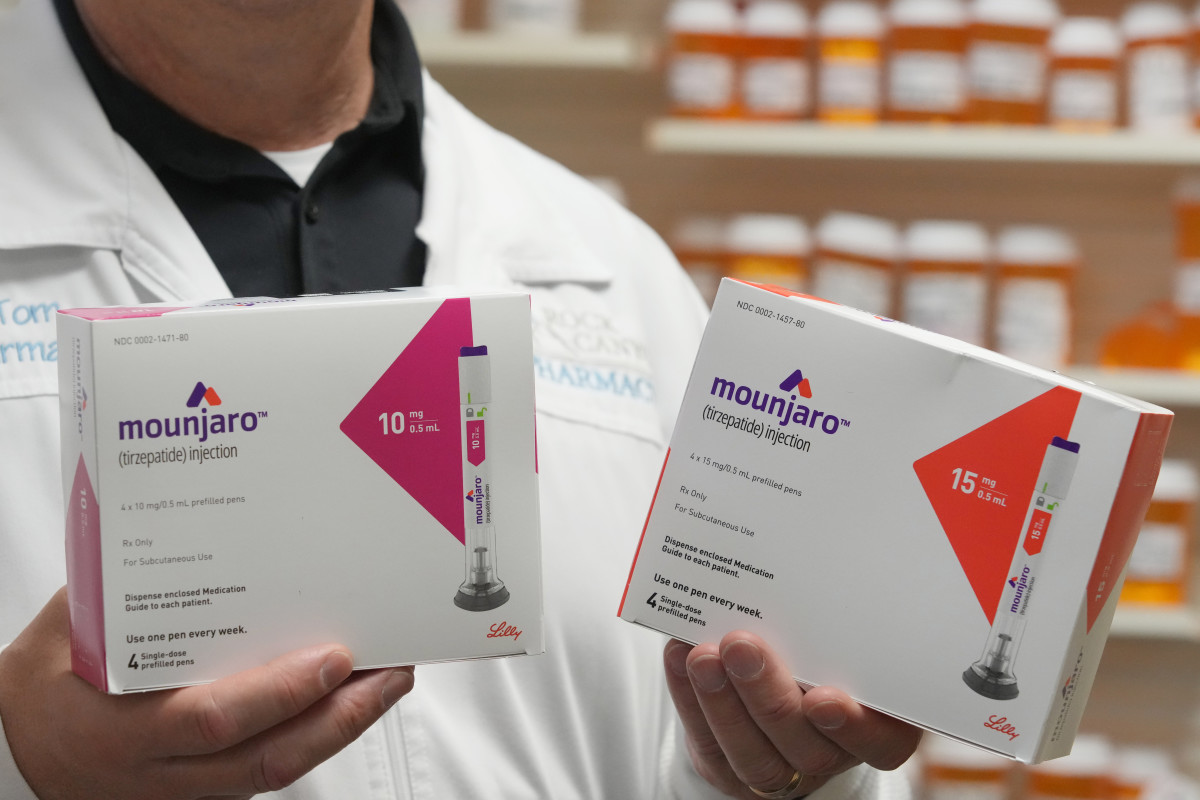
Eli Lilly is a major pharmaceutical giant, defined by its GLP-1 blockbusters, Zepbound and Mounjaro.
Autoimmune diseases and B-cell-related conditions like lupus and rheumatoid arthritis represent a massive market, mostly dominated by Bristol-Myers Squibb and AbbVie’s Humira franchise.
Lilly’s pivot to the autoimmune turf signals to the market that it is shifting toward genetic cures rather than just chronic metabolic therapies.
Why does Orna Therapeutics' Circular RNA technology shift the CAR-T equation?
Orna Therapeutics was founded in Watertown, Massachusetts, and built around a golden idea: circular RNA.
COVID vaccines are based on linear mRNA, and Circular RNA does not have 'exposed ends' for cellular enzymes to degrade, allowing its therapeutic proteins to be expressed longer.
Related: Will Biotech and Life Sciences Investment Recover in 2026?
So, this idea can potentially pave the way for new treatments that standard mRNA platforms can’t support.
Orna paired their oRNA technology with a proprietary lipid nanoparticle delivery system to create an in vivo cell engineering platform (next-Gen).
The target is CD19, which is a protein expressed on B cells.
Autoimmune diseases are centered around the idea that B cells 'go rogue.' So, by taking them out or ‘resetting’ them, the root cause of these disorders is addressed rather than just alleviating symptoms.
The critical shift with Orna’s CAR-T technology is from traditional ex vivo (outside the body) CAR-T to in vivo (inside the body) CAR-T.
The Merck and Vertex dilemma: Lilly now owns its competitors' R&D engine
Before Eli Lilly, the company had major collaborations with Merck for infectious disease vaccines and Vertex Pharmaceuticals for sickle cell disease and beta thalassemia.
Orna’s circular RNA platform serves as the backbone for those external collaborations.
Related: Eli Lilly cuts surprising deals with upstart biotech players
The issue is that Eli Lilly will inherit them, then face the decision about the extent to which it should progress its own autoimmune priorities versus honoring the clinical milestones that Lily’s direct competitors will benefit from.
This is a pattern in biotech M&A, where Big Pharma corporations and PE firms alike bet on top-tier, clinically ready treatments to speed up timelines and R&D, but end up taking on prior obligations alongside the main dish.
In the specific position of owning the “engine,” behind its competitor’s milestones, Michael Carrier, a professor at Rutgers Law and co-author of IP and Antitrust, says this creates a target for regulators.
Though it's not as ‘permanent’ compared to a full merger between the giants, Carrier noted that the deal gives Lilly more control over the broader market.
Carrier pointed to two legal theories that could draw Federal Trade Commission (FTC) scrutiny:
- Foreclosure: Lilly could "prevent rivals that need the ‘upstream’ platform from having access to it," basically stripping Merck or Vertex’s clinical pipeline.
- Bundling: Lilly might package its own existing oncology drugs (immunotherapies, chemo, preexisting treatments on the market) together with Merck & Vertex’ drug offerings, "which could make it pretty difficult for rivals to compete and offer similar packages."
"In short, yes, antitrust exposure is present," Carrier said, with the extent of the severity depending on how much "market power" the companies hold and if rivals are harmed.
Related: AbbVie is a top dividend stock as drug pipelines drives payout
Popular Products
-
 Gas Detector Meter
$311.56$155.78 -
 Fingerprint Digital Lock
$328.99$230.78 -
 Double Door Safe Box for Home & Office
$449.99$313.78 -
 Biometric Pistol Case
$224.99$156.78 -
 Bluetooth 5.0 TPMS Tire Pressure Monitor
$60.99$41.78