Maryland Hunts Down “historic” Plates, Catching Early-2000s Car Owners Off Guard
Maryland’s Historic Plate Shake-Up Hits Early-2000s Cars
Maryland’s long-running historic license plate program is facing a reckoning, and plenty of car owners are feeling the sting. As we previously reported, state lawmakers signaled their intent to crack down on misuse of vintage and historic tags as part of a broader package of new traffic laws.
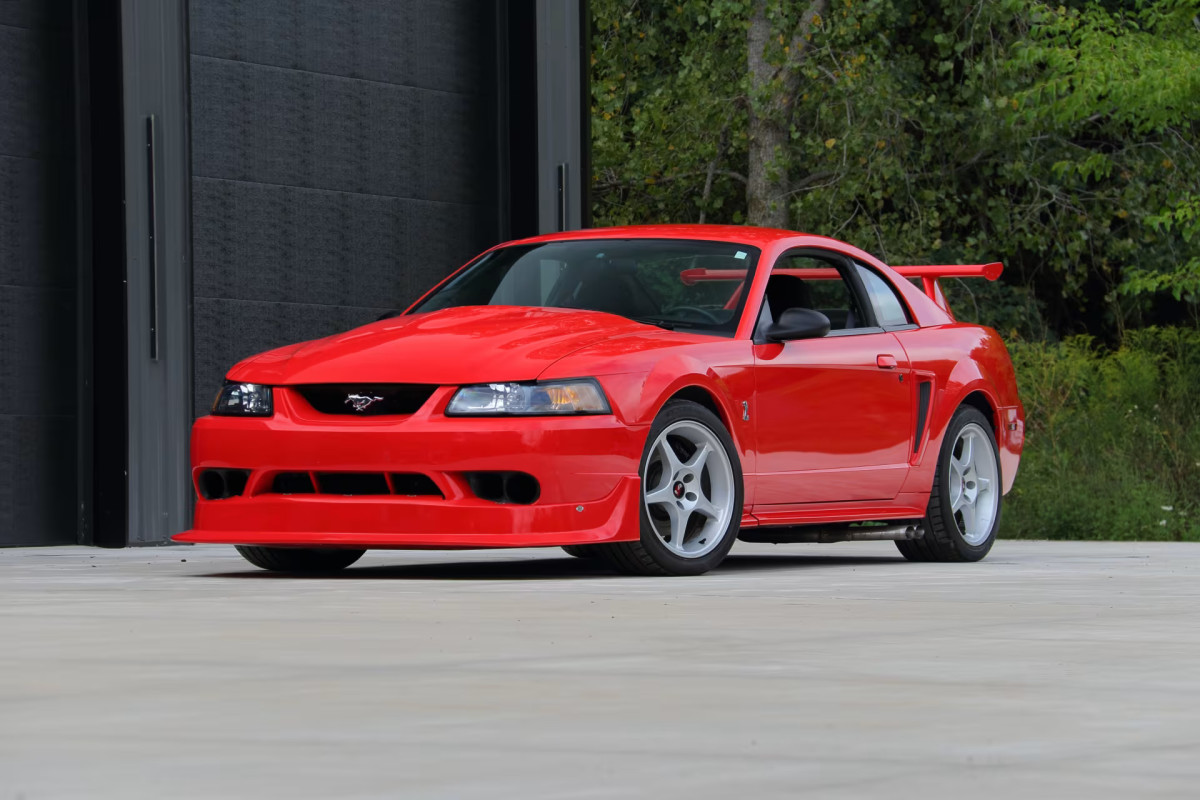
Now, Maryland has enacted a House Bill that puts real teeth behind that bark, freezing historic plate eligibility at model year 1999 and older. The change immediately disqualifies vehicles from 2000 to 2005 that previously qualified under the old 20-year rolling rule, catching many owners off guard.
For many enthusiasts, historic plates weren’t just a badge of honor. They slashed registration costs to about $50 every two years, eliminated emissions testing, removed inspection requirements, and often enabled cheaper collector-car insurance. Now, owners of early-2000s vehicles are receiving letters from the Maryland Motor Vehicle Administration (MVA) telling them their plates won’t be renewed once they expire, forcing them back into standard registration, emissions testing, and higher fees.
Mecum Auctions
Why the Change Matters—and Why It’s Controversial
The immediate impact is financial. Maryland has one of the most expensive registration and insurance rates. Vehicles losing historic status must turn in their plates, pay roughly $150 more in registration fees, and report to a Vehicle Emissions Program (VEP) station. For collectors with multiple cars, those costs add up fast, prompting accusations that the move is little more than a revenue grab rather than a safety or environmental measure.
At the same time, even critics of the new rule admit the system has been abused. Historic plates are intended for limited-use collector vehicles, not daily drivers or work vans dodging emissions testing.
According to a report from the Baltimore Sun, examples of commercially used vehicles wearing historic tags have fueled frustration and helped justify the state’s tougher stance, even among enthusiasts who oppose the fixed 1999 cutoff.
House Bill 4 Could Reset the Rules—Again
Now, lawmakers are attempting to undo part of the damage. House Bill 4, introduced by Delegates Miller and Morgan, proposes redefining a historic vehicle as one that’s at least 25 years old, restoring a rolling age requirement instead of a frozen model year. If passed, a 2005 vehicle would once again qualify by 2030, something impossible under the current law.
The proposal has split the car community. Some want stricter limits, others support keeping the 1999 cutoff, but a large portion of collectors favor the 25-year rolling standard paired with better enforcement. That could mean proof of collector insurance, evidence of limited use, and confirmation that the owner has a separate daily driver.
For now, Maryland owners wait, hoping lawmakers recognize that fixing abuse doesn’t require penalizing every enthusiast caught on the wrong side of an arbitrary date.
Popular Products
-
 All-Purpose First Aid Kit for Home & ...
$144.99$100.78 -
 CPR Breathing Mask with One-Way Valve
$33.99$22.78 -
 Lightweight Waterproof Outdoor Surviv...
$111.99$77.78 -
 Smart Ring Health Tracker
$67.99$46.78 -
 Unisex Arch Support Shoe Pads
$48.99$33.78