Panama Or Portugal: Where Does A $600,000 Retirement Actually Go Further?
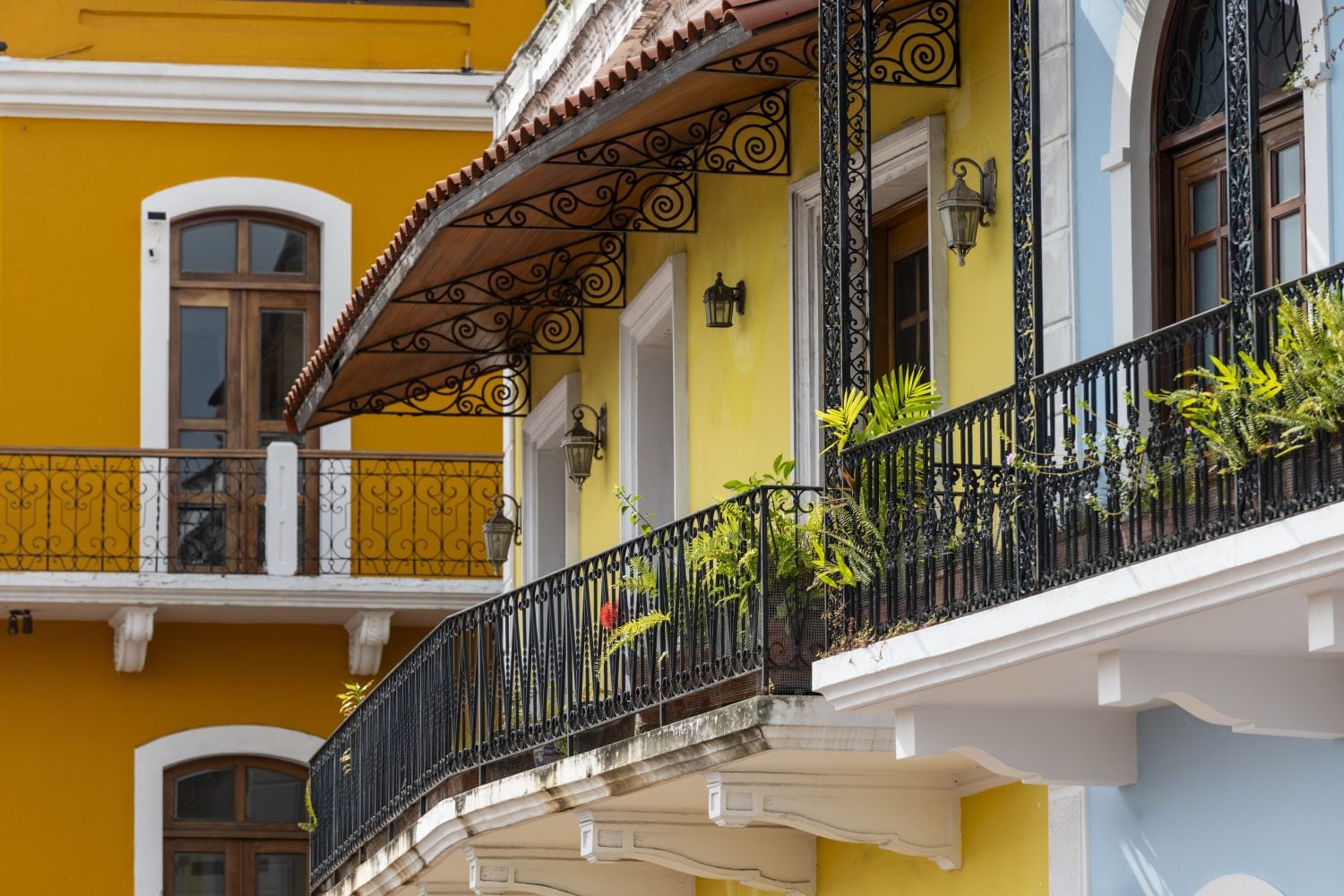
The post Panama or Portugal: Where Does a $600,000 Retirement Actually Go Further? appeared first on 24/7 Wall St..
A $600,000 portfolio can still support a retirement abroad, but Panama and Portugal do not treat that money the same way. Both countries offer established residency paths and lower-cost alternatives to coastal U.S. retirement. The difference shows up after the headline budget: taxes, healthcare, currency, and the way a fixed portfolio has to survive a 30-year retirement. On those terms, Panama usually gives the $600,000 retiree more room for error.
What $600,000 Buys in Each Place
In Panama, a retiree outside Panama City may be able to live comfortably around $2,000 a month, while Panama City, Boquete, private health insurance, a car, and occasional travel can push the figure closer to $2,500 to $3,000. A working budget of $32,000 to $36,000 a year suits one person living well. A couple with a two-bedroom in a walkable neighborhood, some household help, and private medical coverage may land closer to $42,000.
Use a recent exchange rate of about $1.14 to €1 for Portugal costs in this article. Outside Lisbon and Cascais, a couple may still live comfortably on $2,500 to $3,000 a month, but Lisbon can climb far higher once rent, utilities, healthcare, transport, and taxes are included. A central Lisbon one-bedroom can make the $600,000 portfolio feel much smaller than it looks on paper, especially compared with a similar retirement budget in Coronado or Boquete.
The Math on the Portfolio
A 62-year-old single retiree with $600,000 and Social Security waiting until 67 faces a difficult bridge calculation. At a 4% withdrawal rate, the portfolio produces $24,000 a year. That may cover a lean Panama budget for someone outside the most expensive areas, but it leaves little room for rent spikes, travel, medical underwriting, or market losses. It does not cover Lisbon on its own.
Social Security claimed at 67 should be based on the retiree’s own SSA estimate, not the average benefit alone. SSA’s estimated average retired-worker benefit for January 2026 is $2,071 a month after the 2.8% COLA, or about $24,850 a year. Combined with a $24,000 portfolio withdrawal, that reaches about $48,850 before U.S. tax. In Panama, there is no additional Panamanian tax layer on foreign-source retirement income. In Portugal, the tax result is more complicated and often less favorable.
If the target lifestyle costs $50,000 and Social Security covers about $24,850, the portfolio needs to fill a gap of roughly $25,150. At 4%, that requires about $629,000. At a tighter 3.5% rate for a 30-plus-year horizon, it requires about $719,000. Six hundred thousand dollars can work in Panama with disciplined spending. In Portugal, it usually requires a lower-cost city, restrained withdrawals, delayed Social Security, or a larger portfolio.
The Tax Wrinkle Most People Miss
Panama uses a territorial tax system. Foreign-source income generally sits outside Panama’s income-tax net, so U.S. Social Security, IRA withdrawals, and 401(k) withdrawals are not taxed by Panama if they are foreign-source income. A U.S. citizen still files and pays under U.S. tax rules, but Panama usually does not add a second income-tax layer on those retirement payments.
Portugal’s old Non-Habitual Resident regime, which gave many foreign retirees a favorable 10% pension rate, is closed to most new applicants. Its replacement, IFICI, is aimed at scientific research, innovation, and other specific qualified work rather than ordinary retirement income. New American retirees should generally model Portugal’s standard progressive income tax rates, which run from 12.5% to 48% in 2026 before any applicable surtaxes.
How it Impacts Social Security and Retirement Withdrawals
Social Security and private retirement withdrawals need careful treaty modeling. The U.S.-Portugal treaty allows the United States to tax U.S. Social Security, while Portugal’s worldwide-income rules can still matter for a Portuguese tax resident. Private pensions and retirement-account withdrawals may also be taxed in Portugal, with foreign tax credits or treaty relief used to reduce double taxation. The safe assumption is not that Portugal ignores U.S. retirement income, but that the tax preparer must model each income type separately.
On a $40,000 traditional IRA withdrawal, the difference can be meaningful. A Panama resident generally faces U.S. federal tax without a second Panamanian income-tax layer. A Portuguese tax resident may face Portuguese progressive tax, with U.S. tax coordination handled through treaty relief or foreign tax credits. The exact gap depends on filing status, deductions, income mix, and local tax treatment, but it can materially reduce the spendable value of the same portfolio withdrawal.
What Actually Makes It Work
Panama’s Pensionado visa requires $1,000 a month in pension or lifetime income for the main applicant, plus $250 for each dependent, and Social Security can qualify. Portugal’s D7 threshold for 2026 is about $1,050 a month for one applicant at the exchange rate used here, with higher requirements for a spouse or dependents. In both countries, the visa threshold is usually easier than the retirement budget. The constraint is what happens after you land.
For someone with exactly $600,000, Panama is the scenario the math supports with fewer heroics. A 3.5% to 4% withdrawal rate, Social Security claimed at 67 or later, and a working budget around $40,000 to $45,000 a year can leave some margin for private healthcare, medical travel, and the fact that Original Medicare generally does not cover care abroad. Panama’s use of the U.S. dollar also removes euro exchange-rate risk, and Pensionado discounts can be a real tailwind.
Portugal on $600,000 can work if you pick a smaller city such as Braga, Setúbal, or Tomar rather than Lisbon, Cascais, or the priciest Algarve towns. The spending target needs to stay closer to $40,000, and the tax plan has to assume Portugal may take a real slice of traditional retirement-account withdrawals. The plan stops working if you budget for Lisbon rents while assuming the old NHR pension rate still applies to new arrivals.
Panama Is the Cleaner Fit
The sticker price of Panama and Portugal may be closer than older retirement articles suggest, but the after-tax result can still be very different. Panama gives a U.S. retiree a simpler tax structure, dollar-based spending, and more margin on a $600,000 portfolio. Portugal can still work, but only with the right city, lower spending, and careful treaty-aware tax planning. Price the tax bill, not just the rent, and Panama is usually the cleaner fit for this portfolio size.
If You’ve Been Thinking About Retirement, Pay Attention (sponsor)
Retirement planning doesn’t have to feel overwhelming. The key is finding expert guidance, and SmartAsset’s simple quiz makes it easier than ever for you to connect with a vetted financial advisor. Here’s how:
-
Answer a Few Simple Questions.
-
Get Matched with Vetted Advisors
-
Choose Your Fit
Why wait? Start building the retirement you’ve always dreamed of. Get started today! (sponsor)
The post Panama or Portugal: Where Does a $600,000 Retirement Actually Go Further? appeared first on 24/7 Wall St..
Popular Products
-
 Smart WiFi Water Level Sensor
$153.99$106.78 -
 Convex Car Blind Spot Mirrors
$47.99$32.78 -
 Portable AM/FM/SW Radio
$40.89$13.78 -
 Anti-Sleep Device for Safe Driving Re...
$38.99$24.78 -
 Rescue Zip Stitch Kit
$109.56$54.78