The Claims Conversation To Have Before, During And After A Loss
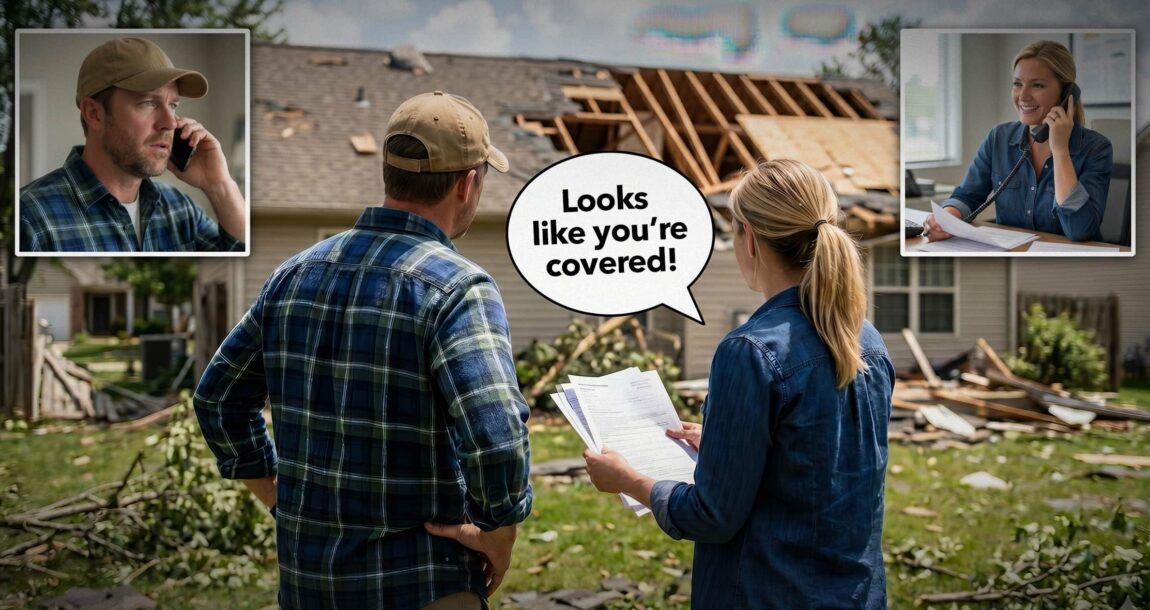
Most clients don't think much about the claims process until they're standing in a flooded kitchen at 11 p.m. That's too late.
When agents build claims into regular client conversations, two things happen. Clients navigate losses better, and they call you first instead of the carrier.
Consider the example of a water loss. A homeowner returns from vacation to discover their ice maker has been leaking for days and there’s $200,000 in damage. A month later, a service line breaks. Now there's a second claim and they're navigating multiple adjusters, multiple vendors and decisions that follow them for years after.
This type of scenario isn't rare. Water damage and freezing make up about 23% of all homeowners' claims in the U.S., with an average payout of $15,400. In many cases, no one walked them through what came next before the loss happened.
Help clients think through whether to file, not just how
Before a client reports a loss, the most useful thing you can do is help them work through the "should I file?" question.
Carriers look at several years of claims history when pricing renewals and quoting new business. A claim today affects pricing tomorrow. It can also limit a client's options when shopping for coverage in the future.
With home insurance premiums up about 57% from 2019 to 2024, this issue is more pressing than ever. Clients with claims histories have fewer options and less leverage at renewal.
Walk clients through the basics before a loss happens. What's their deductible? How does it compare to a potential payout? For clients carrying higher deductibles, borderline claims often cost more at renewal than they're worth.
Build this conversation into renewals. Ask clients periodically if they'd be comfortable covering their deductible out of pocket if a loss happened tomorrow. If the answer is no, that's a coverage conversation worth having now.
Clear up claims misunderstandings before they become frustrations
Coverage gaps cause the most frustration when the client didn't know such gaps existed. It's important to get ahead of the common coverage gaps.
Clients often assume insurance will restore their home to better than its pre-loss condition, but it won't. If water damages kitchen cabinets, some carriers only replace the affected cabinets, not the whole kitchen. Setting that expectation before a claim protects the client from feeling blindsided and you from a difficult phone call.
Coverage also hinges on how the damage occurred. Carriers require losses to be sudden and accidental to qualify for coverage. An aging water heater that slowly starts leaking is a maintenance issue, not a covered claim event.
Certain coverage gaps come up often enough to be addressed proactively at renewal. Landscaping, trees and retaining walls often have limited coverage or are specifically excluded. Service lines running from the street to the home are generally the homeowner's responsibility in standard policies. These exclusions aren't hard to find in a policy, but they frequently come as a surprise when a claim is filed.
What to tell clients to do when a loss happens
If a client calls after a loss, the first directive is to stop further damage. Delaying mitigation extends the damage and complicates the claim.
After that, documentation is everything. The client should take photos and videos of all damage, and keep receipts, estimates and damaged items until the adjuster has evaluated them.
As soon as a claim is filed, a claims adjuster will typically follow up within 24 to 48 hours. Delays that may occur in the process are often preventable. The most common causes are slow responses, missing documentation and late estimates. Coaching clients on this ahead of time makes a big difference.
Your role is guidance, not adjustment
An adjuster determines coverage and issues payments. Your job is to help the client understand what's happening, clarify information with the adjuster when needed and keep the process moving.
That advocacy role is where long-term trust is built. Claims history carries more weight at renewal than it once did. Clients who know that going in are better positioned at renewal and better served by their advisor.
© Entire contents copyright 2026 by InsuranceNewsNet.com Inc. All rights reserved. No part of this article may be reprinted without the expressed written consent from InsuranceNewsNet.com.
The post The claims conversation to have before, during and after a loss appeared first on Insurance News | InsuranceNewsNet.
Popular Products
-
 Fireproof Document Bag with Zipper Cl...
$60.87$31.78 -
 Acrylic Desktop File Organizer with 5...
$100.99$69.78 -
 Child Safety Cabinet Locks - Set of 6
$83.56$41.78 -
 Travel Safe Lock Box with 4-Digit Cod...
$146.99$78.78 -
 Dual Laser Engraver
$5,068.99$3034.78