The Ranch Made Him A Millionaire On Paper. Retirement Is Still Out Of Reach, Even With Social Security On The Table.
The post The Ranch Made Him a Millionaire on Paper. Retirement Is Still Out of Reach, Even With Social Security on the Table. appeared first on 24/7 Wall St..
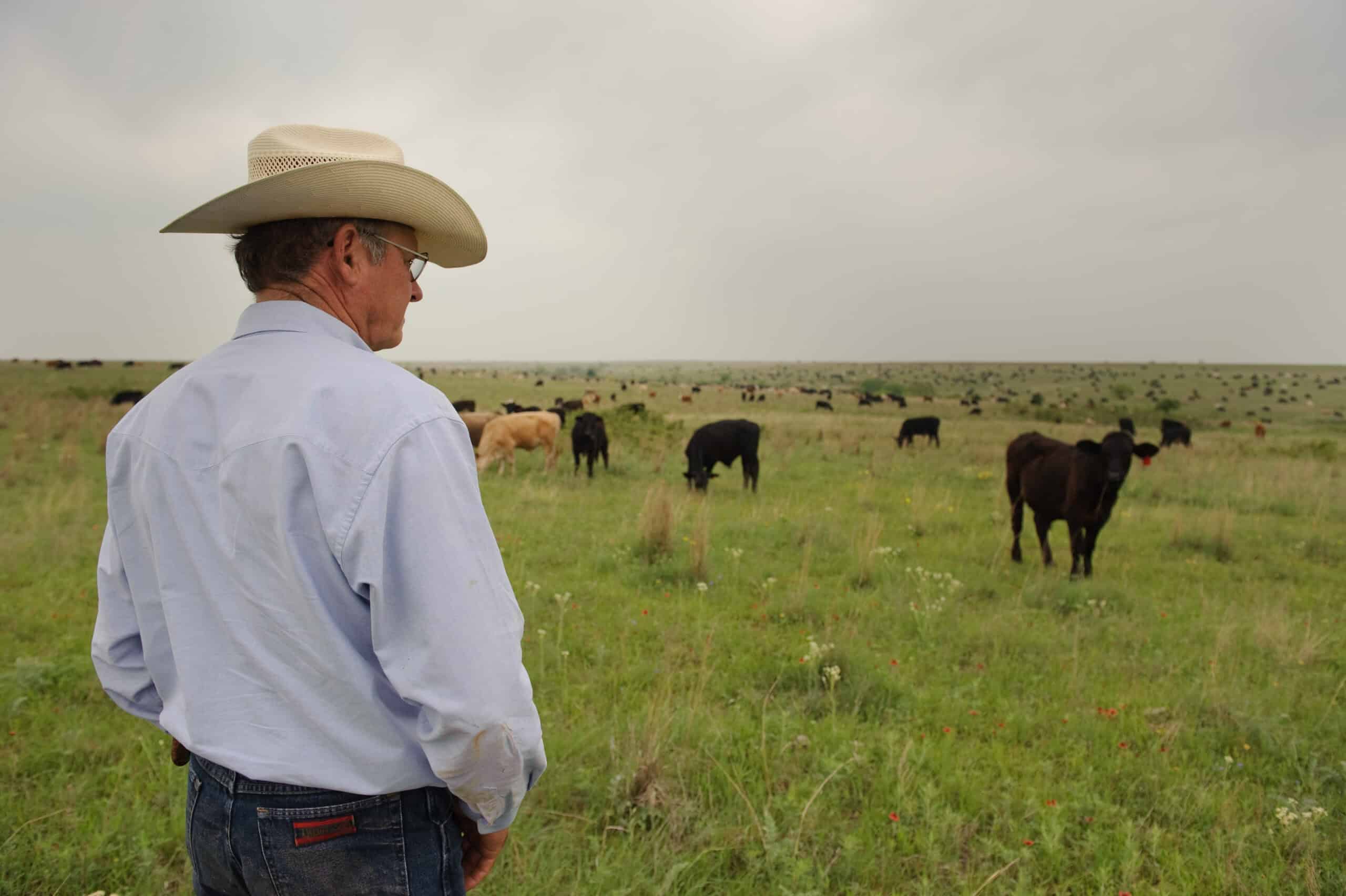
His daughter wants the ranch but cannot afford it at market price. His son wants nothing to do with cattle but expects an equal share of the estate. A neighboring buyer, backed by out-of-state money, has offered top dollar. Ray does not know which future to choose without disappointing someone.
This is one of rural America’s most common retirement dilemmas, and it reaches well beyond cattle country. Any closely held small-business owner facing a generational handoff can hit the same wall.
The Scale of the Handoff
A February 2026 Montana Public Radio interview with Megan Torgerson, creator of the Reframing Rural podcast, put the scale of the succession problem into focus. Her “Succession Stories” season followed five Montana farm and ranch families navigating generational handoffs. Torgerson noted that about 40% of the nation’s farmland is owned by people over 65. Over the next 20 years, roughly one-third of the farmland in the lower 48 states is expected to change hands. Rising input costs, decades of largely flat grain prices, labor shortages, and land increasingly valued for recreation over agriculture are making those transitions harder just as more operators reach retirement age.
Why Paper Wealth Does Not Buy Groceries
Ray’s balance sheet says millionaire. His cash flow says otherwise. The land may throw off $60,000 to $90,000 of net operating income in a good year and far less in a dry one. The ranch has made him wealthy on paper, but it has not made his retirement liquid.
Ray has not filed yet, making Social Security part of the ranch-transfer decision. At 68, each year he delays up to age 70 adds about 8% in delayed retirement credits. The 2026 cost-of-living adjustment is 2.8%, and COLAs continue raising his underlying benefit even before he files.
Because Ray is already past full retirement age, he can keep ranching without triggering the earnings test. Continued reported self-employment earnings may also replace lower years in Social Security’s 35-year calculation, nudging his eventual check higher. For a rancher whose strongest covered earnings may come late in life, that matters.
The Question That Drives the Outcome
How Ray transfers the ranch matters more than any other decision on his desk. The transfer method decides three things at once: how much cash he lives on, how much tax he pays, and whether the operation survives him. Selling to the highest bidder solves the liquidity problem, may trigger a large capital-gains bill, and likely ends the family operation. Selling cheaply to his daughter preserves the ranch but may create gift-tax complications and leave Ray short of retirement income. Doing nothing is the worst outcome, because tax consequences, probate, and family conflict end up doing the succession planning for him.
Two Paths Worth Exploring
- Installment sale to the daughter, with Ray’s housing protected. Ray sells the deeded ground to his daughter at a professionally supported price, financed over 20 or 25 years at an IRS-compliant interest rate. He collects a steady annual check that behaves like a private pension. A retained life estate or occupancy agreement lets him and his wife remain in the ranch house. To equalize the non-farming son, Ray uses other estate assets or existing life insurance, with the IRA considered as part of the wider estate plan. This preserves the operation and creates predictable cash flow.
- Place a conservation easement on the ranch, keep the land, and lease the grass. A conservation easement on eligible Montana rangeland can generate cash if purchased by a land trust or government-backed program, a tax deduction if donated, or some combination through a bargain sale. The easement permanently blocks or limits subdivision. Ray keeps title, leases grazing to his daughter at a workable rate, and uses any easement proceeds alongside the lease income. He gives up some of the ranch’s future development value but keeps the operation intact.
What to Do First
Two moves outrank everything else: get a current appraisal and a written cash-flow budget. You cannot pick a succession structure until you know what the ground is worth and what retirement actually costs. The BLS puts average annual expenditures at $78,535 per consumer unit in 2024, but Ray needs a ranch-specific budget, not a national average.
Then hire a farm-succession attorney and a CPA who have closed installment sales and easement deals before. Capital-gains treatment, installment-sale rules, conservation easements, and any potential special-use valuation under Section 2032A require agricultural expertise that generic estate planning may not provide. Section 2032A applies only under specific conditions when qualifying farm or business property passes at death.
The common mistake is waiting. The get-big-or-get-out pressure on American agriculture is not slowing, and the deep-pocketed buyers Torgerson describes are not going away. Ray’s leverage is highest while he is still running the place. Once he cannot, the choices narrow, and the ranch may be sold on someone else’s timetable.
If You’ve Been Thinking About Retirement, Pay Attention (sponsor)
Retirement planning doesn’t have to feel overwhelming. The key is finding expert guidance, and SmartAsset’s simple quiz makes it easier than ever for you to connect with a vetted financial advisor. Here’s how:
-
Answer a Few Simple Questions.
-
Get Matched with Vetted Advisors
-
Choose Your Fit
Why wait? Start building the retirement you’ve always dreamed of. Get started today! (sponsor)
The post The Ranch Made Him a Millionaire on Paper. Retirement Is Still Out of Reach, Even With Social Security on the Table. appeared first on 24/7 Wall St..
Popular Products
-
 Mini Fire Extinguisher Spray
$54.99$37.78 -
 Surge Protected Power Strip
$43.99$29.78 -
 Solar Powered Wireless Outdoor Securi...
$233.99$162.78 -
 Solar Outdoor Motion Sensory Flood Li...
$68.99$47.78 -
 Solar Street Lights
$25.99$17.78