Weathering Business Interruption Coverage In A Super El Niño
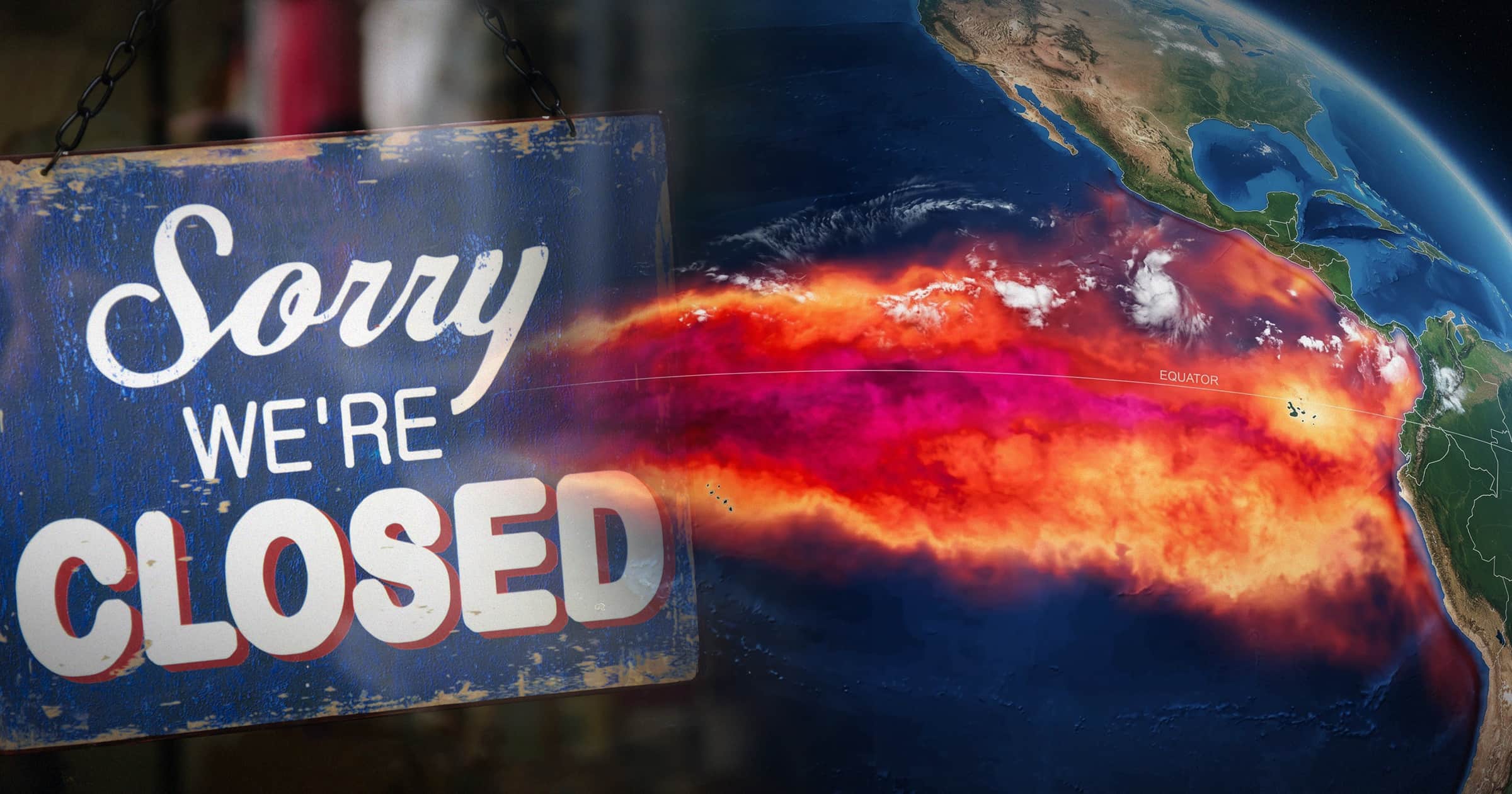
From coastal erosion on the Pacific Coast to flooding rains in the South, we have already had a small taste of what El Niño could bring. But the worst might be yet to come.
The National Oceanic and Atmospheric Administration predicts with 83% certainty that the current pattern, which some call a “Super El Niño,” will exceed the intensity of previous El Niños dating back to 1950. Peak strength is expected this fall, with conditions likely to last through at least early March.
For business owners, El Niño represents a clear and present danger. Heavy rain, flooding and strong winds can damage buildings and cut off power, making it challenging to keep operations running. That’s why insurance agents should reach out to their commercial clients now and emphasize the importance of reviewing their business interruption coverage.
Where business interruption begins and ends
BI coverage kicks in when a company must stop or reduce operations due to a covered event, such as property damage from an El Niño-related storm. Coverage allows business owners to replace lost income and pay specific expenses, including payroll and rent, during the recovery period.
Although that definition sounds straightforward, business owners often have many misconceptions about BI coverage. Some believe BI coverage applies for any reason a business may close, but the policy must cover the cause of the loss. Events such as floods or earthquakes, which are often excluded from standard property policies, may not trigger a company’s BI insurance without separate coverage.
Another common misconception is that BI coverage applies only when the business’ own property is damaged. Some BI coverage may extend to losses incurred when a business the company depends on, such as a critical supplier or utility company, suffers a covered loss. Such coverage is subject to specific requirements and limits.
Avoiding unpleasant surprises
When agents don't help business owners understand the nuances of a BI policy, it can lead to unpleasant surprises. One of the most common is discovering that the BI limit or restoration timeframe isn't long enough.
Consider a restaurant that suffers water damage from a storm. The business owner expects to reopen in a few weeks, but the repairs continue for several months because of permits, contractor shortages or equipment delays. Some of that added time might fall outside a BI policy’s reasonable restoration period or exceed the coverage limits. Meanwhile, the restaurant owner must still cover rent, payroll and other bills with little to no income.
As El Niño looms, situations like this could happen regularly in the coming months. Agents can help business owners prepare by educating their commercial clients before a loss so they understand what is covered, what is not and how long the coverage will last.
How to start the discussion
Now is the perfect time for agents to talk with commercial clients about reducing their El Niño-related risks. Start the conversation with a single question: “If your building were damaged today, how long would it realistically take you to reopen?” Then, instead of asking only about insurance limits, agents should ask questions that help business owners evaluate their risks holistically, including:
- How much income could you lose during a shutdown?
- Which bills would you still have to pay?
- What equipment or inventory would be difficult to replace?
- What would happen if a key supplier could not operate?
- What would happen if your employees could not get to work?
- Do you have a backup location or can employees work remotely?
- How will you communicate with your employees and customers?
- What would be the biggest problem preventing you from reopening quickly?
These questions can uncover problems that may not be obvious when you look only at the insurance policy.
Agents should also recommend that business owners prepare for disruption by collecting emergency contact information, backing up their records and choosing alternate suppliers. Ask business owners to conduct thorough physical inspections of all properties - including roofs, gutters and drainage - to ensure they can withstand a weather event. Inquire about backup systems such as generators and suggest that business owners check their emergency power equipment in advance so it’s ready when needed.
The impacts of the current El Niño pattern may vary by region, but the underlying message is the same. Businesses that prepare for weather-related disruptions will resume operations faster, while those that do not will face unexpected delays. In times like this, an agent’s job is to help business owners understand a shutdown's financial impact so they can take the steps needed to limit disruption.
© Entire contents copyright 2026 by InsuranceNewsNet.com Inc. All rights reserved. No part of this article may be reprinted without the expressed written consent from InsuranceNewsNet.com.
The post Weathering business interruption coverage in a super El Niño appeared first on Insurance News | InsuranceNewsNet.
Popular Products
-
 Fireproof Document Bag with Zipper Cl...
$60.87$31.78 -
 Acrylic Desktop File Organizer with 5...
$100.99$69.78 -
 Child Safety Cabinet Locks - Set of 6
$83.56$41.78 -
 Travel Safe Lock Box with 4-Digit Cod...
$146.99$78.78 -
 Dual Laser Engraver
$5,068.99$3034.78