5 Considerations That Matter When It Comes To Your Dog’s Diet
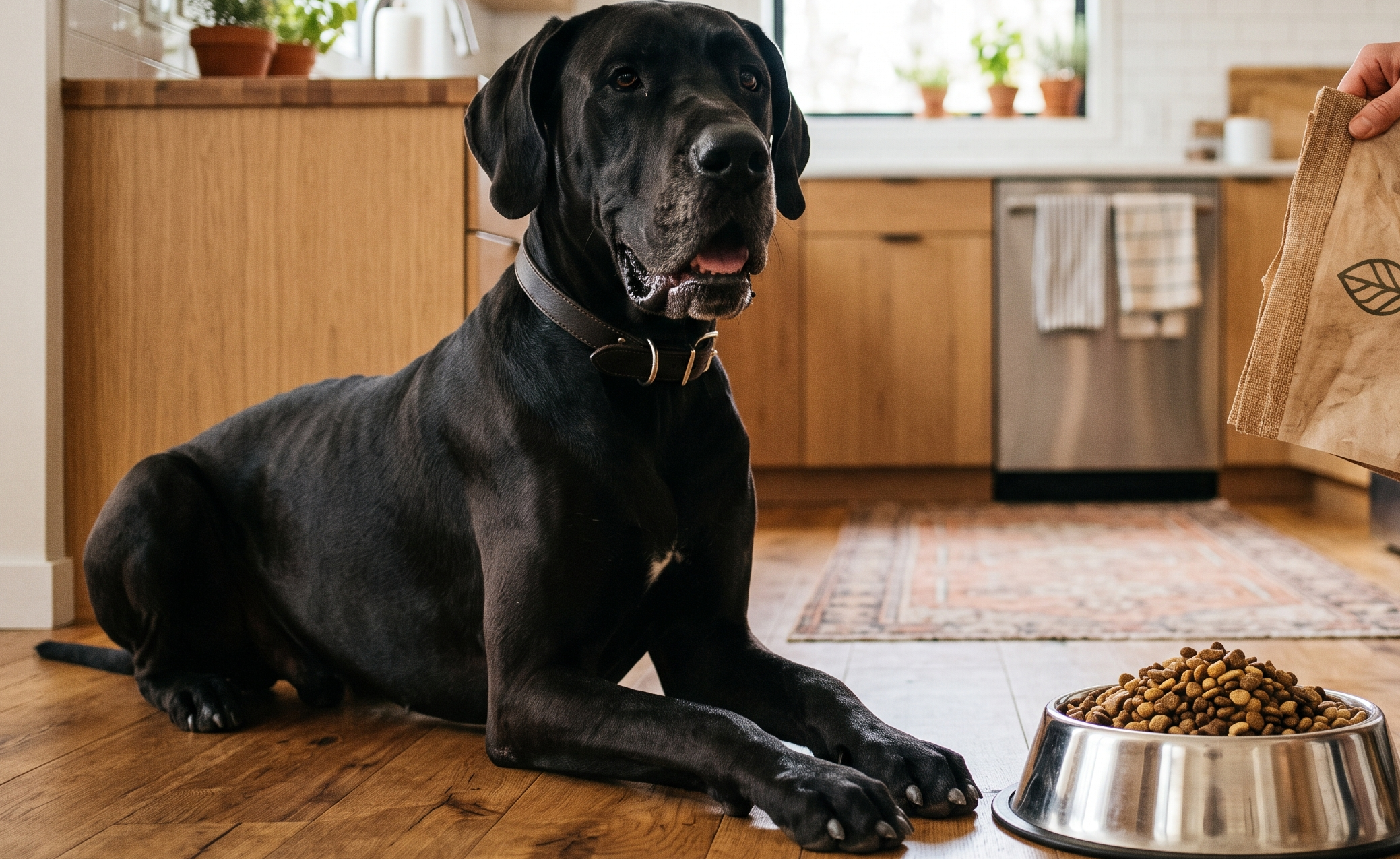
If you’ve ever stood in the dog food aisle feeling completely overwhelmed, you’re not alone. With hundreds of options lining the shelves, choosing the right food for your dog can feel like a guessing game. The truth is, what your dog needs depends on several key factors. Let’s break them down.
1. Size and Weight Matter
A Great Dane and a Chihuahua are both dogs, but their nutritional needs couldn’t be more different. Larger dogs need more total calories, but they also have different metabolic rates and joint health concerns. Smaller dogs often do better with calorie-dense foods in smaller portions. Always check that any food you choose is appropriate for your dog’s size category.
2. Age Changes Everything
A bouncy 8-week-old puppy needs nutrients that support rapid growth and development. An adult dog needs a balanced diet for maintenance. A senior dog, on the other hand, often benefits from higher protein to help maintain muscle mass, along with omega-3 fatty acids to support joint and brain health. According to veterinary nutritionists at Cornell University, there is no one-size-fits-all senior diet — making it essential to talk with your veterinarian about what works best for your aging companion.
3. Activity Level Fuels Nutritional Needs
A working Border Collie running fields all day burns far more calories than a Bulldog taking a short afternoon stroll. Active and working dogs often need diets higher in fat and calories to keep up with their energy demands. Meanwhile, less active dogs are at a much higher risk of obesity if they’re being fed the same amount as a highly active dog. Matching food intake to actual energy output is key.
4. Health Conditions Change the Game
Certain health issues require specific dietary adjustments. Dogs with kidney disease may need lower protein. Dogs with arthritis may benefit from omega-3 fatty acids and joint-supporting supplements like glucosamine and chondroitin. Dogs struggling with obesity do better on high-fiber, lower-calorie diets that help them feel full without going over their daily calorie limits. Prescription diets are also available for many chronic conditions and can be powerful tools in managing your dog’s health.
5. Body Condition Is Your Best Feedback Tool
Your dog’s body condition tells you a lot. Can you feel their ribs without pressing hard, but not see them? That’s a good sign. Is your dog losing muscle in their thighs or shoulders? That could mean they need more protein. Is their belly starting to sag? It may be time to cut back on portions. Veterinarians use a Body Condition Score (BCS) system from 1 to 9, with 4 or 5 being ideal.
Your dog is unique, and their diet should reflect that. Regularly weigh your dog, monitor their body condition, and stay in close contact with your veterinarian. Appropriate and balanced nutrition is one of the most powerful tools you have to keep your dog healthy and happy for years to come.
Always consult your veterinarian before making significant changes to your dog’s diet.
The post 5 Considerations That Matter When It Comes to Your Dog’s Diet appeared first on Animal Wellness Magazine.
Popular Products
-
 Adjustable Cat Muzzle Anti Bite Scrat...
$44.99$30.78 -
 Automatic Cat Water Fountain with Ste...
$78.99$54.78 -
 Automatic Cat Feeder & Water Dispense...
$87.67$55.78 -
 Automatic Pet Feeder with camera and ...
$369.99$257.78 -
 Wifi 3L Automatic Pet Feeder with Voi...
$200.00$126.78