5 Stress Reduction Techniques For Dogs
TL;DR
Dogs can get stressed for a bunch of reasons, but the good news is there are practical ways to help them chill out. Creating routines, setting up safe spaces, using positive reinforcement, and consulting your vet can make a big difference.
Why Does My Dog Get Stressed?
It turns out, stress in dogs is more common than you might think. They can feel anxious due to loud noises, unfamiliar faces, being left alone, or even slight changes in their routine. If your dog seems stressed, you might notice signs like panting, shaking, barking too much, drooling, hiding, or acting destructively.
But don’t worry! There’s plenty you can do to help.
1. Build a Consistent Routine
Dogs really thrive on predictability. When they know what’s coming next, they feel more secure. Try to keep meals, walks, playtime, and rest at the same times every day. Even little habits, like having your dog sit before they get their food, can help them feel more in control and calm.
Veterinary behavior experts from Cornell University say that predictability is one of the best ways to ease anxiety in dogs. When they realize that certain actions lead to positive outcomes, it cuts down on uncertainty, which is a big stressor.
2. Create a Safe Space
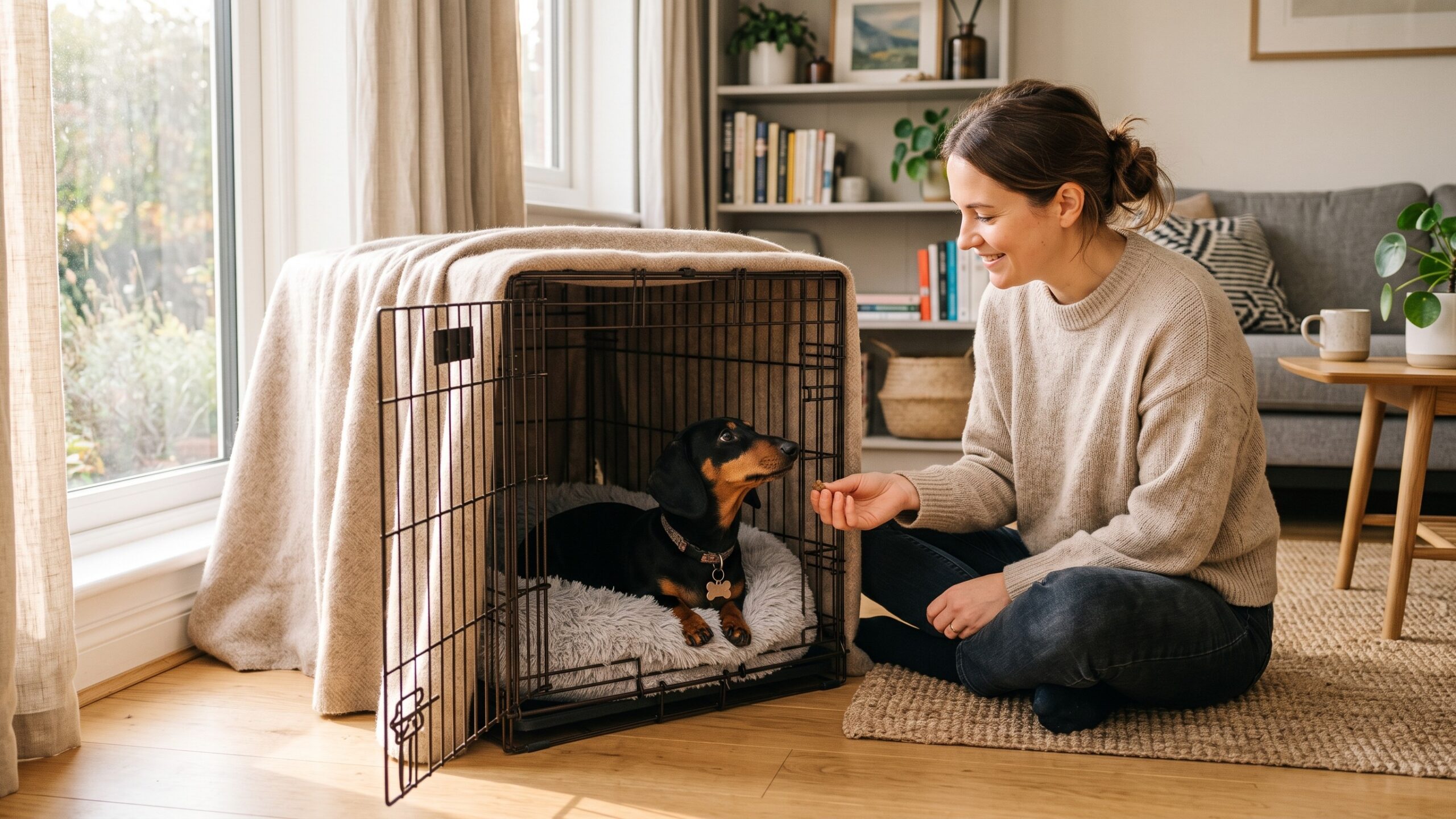
Every dog needs a cozy spot where they can feel totally secure. A crate can be perfect for this. You can cover a wire crate with a blanket to make it feel like a den. Make it comfy with some bedding and a few favorite toys, and place it in a quiet corner of your home, away from the hustle and bustle.
When stressful situations arise, like a holiday party or a thunderstorm, your dog can retreat to this familiar spot and relax. Just make sure your dog is already comfortable with the crate as a safe space.
3. Use Positive Reinforcement Training
Training isn’t just about commands; it’s also a great way to help reduce stress. Teaching your dog tricks and basic manners gives them something to focus on, builds their confidence, and strengthens your bond.
When something scary happens, you can redirect their attention by asking for a trick or command they know well. This helps shift their focus away from whatever’s bothering them and gives them a positive distraction.
Always reward good behavior with treats, praise, or toys. Stay away from harsh methods like yelling or using shock collars, those can just amp up anxiety.
4. Gradually Expose Your Dog to Stressors
If your dog is scared of something specific, say, the vacuum, strangers, or other dogs, the goal isn’t to avoid those things forever. Instead, try to introduce them slowly and pair the experience with something enjoyable, like treats.
Start at a distance where your dog feels okay, and over time, you can move closer to the source of fear at their pace. This technique, called counter-conditioning, can be really effective with a little patience.
5. Manage the Environment
Sometimes, the best move is to reduce exposure to known stressors. Walk your dog during quieter times. Use white noise or calming music to mask loud sounds. If you’re having guests over, set your dog up in a quiet room ahead of time. Planning for potential disruptions can help keep your dog from feeling overwhelmed.
If your dog’s stress seems tough to manage despite your efforts, don’t hesitate to chat with your vet. Sometimes, medication or a referral to a veterinary behaviorist might be the way to go. There’s no shame in seeking professional help, it’s one of the best things you can do for your pup.
Helping a stressed dog takes time, patience, and consistency. Small daily actions, sticking to a routine, creating a safe space, using positive training, and knowing when to reach out for help, can really improve your dog’s quality of life. A calmer dog is a happier dog, and that makes for a better experience for everyone at home. Just remember to consult your vet before making any big changes to your dog’s care plan.
Frequently Asked Questions
How can I tell if my dog is stressed?
There are several signs that might indicate your dog is feeling stressed. Look out for things like panting, shaking, excessive barking, or drooling. They might hide away, pace around, or even act destructively. Some dogs may lose their appetite or seem restless. If you notice these behaviors happening often, it’s a good idea to touch base with your vet.
Can sticking to a daily routine really help my dog’s anxiety?
Absolutely! Dogs tend to feel more secure when they have a clear routine. If you schedule meals, walks, and downtime at the same times every day, it helps eliminate uncertainty, which can trigger anxiety. Even little predictable interactions throughout the day can really help keep them calm.
Is it okay to comfort my dog when they’re scared?
For sure! You can definitely comfort your scared dog. Contrary to what some might say, showing them affection doesn’t actually make their fear worse. It’s important for you to stay calm, too, since dogs can sense our emotions. Offering gentle reassurance, distracting them, or guiding them to a safe spot can really make a difference.
When should I think about talking to a vet regarding my dog’s stress?
If your dog’s anxiety is impacting their daily life, or yours, then it’s time to reach out to a veterinarian. They can help figure out what’s causing the stress and recommend the best treatment options, whether that’s behavior modification techniques, a referral to a veterinary behaviorist, or other support strategies.
The post 5 Stress Reduction Techniques for Dogs appeared first on Animal Wellness Magazine.
Popular Products
-
 Pet Oral Repair Toothpaste Gel
$59.56$29.78 -
 HEPA Portable Air Purifier Filter Air...
$236.99$164.78 -
 Pet Paw Cleaning Foam Waterless Shamp...
$57.99$39.78 -
 Mini GPS Tracker Bluetooth Anti-Lost ...
$27.99$18.78 -
 Smart GPS Waterproof Mini Pet Tracker
$59.56$29.78