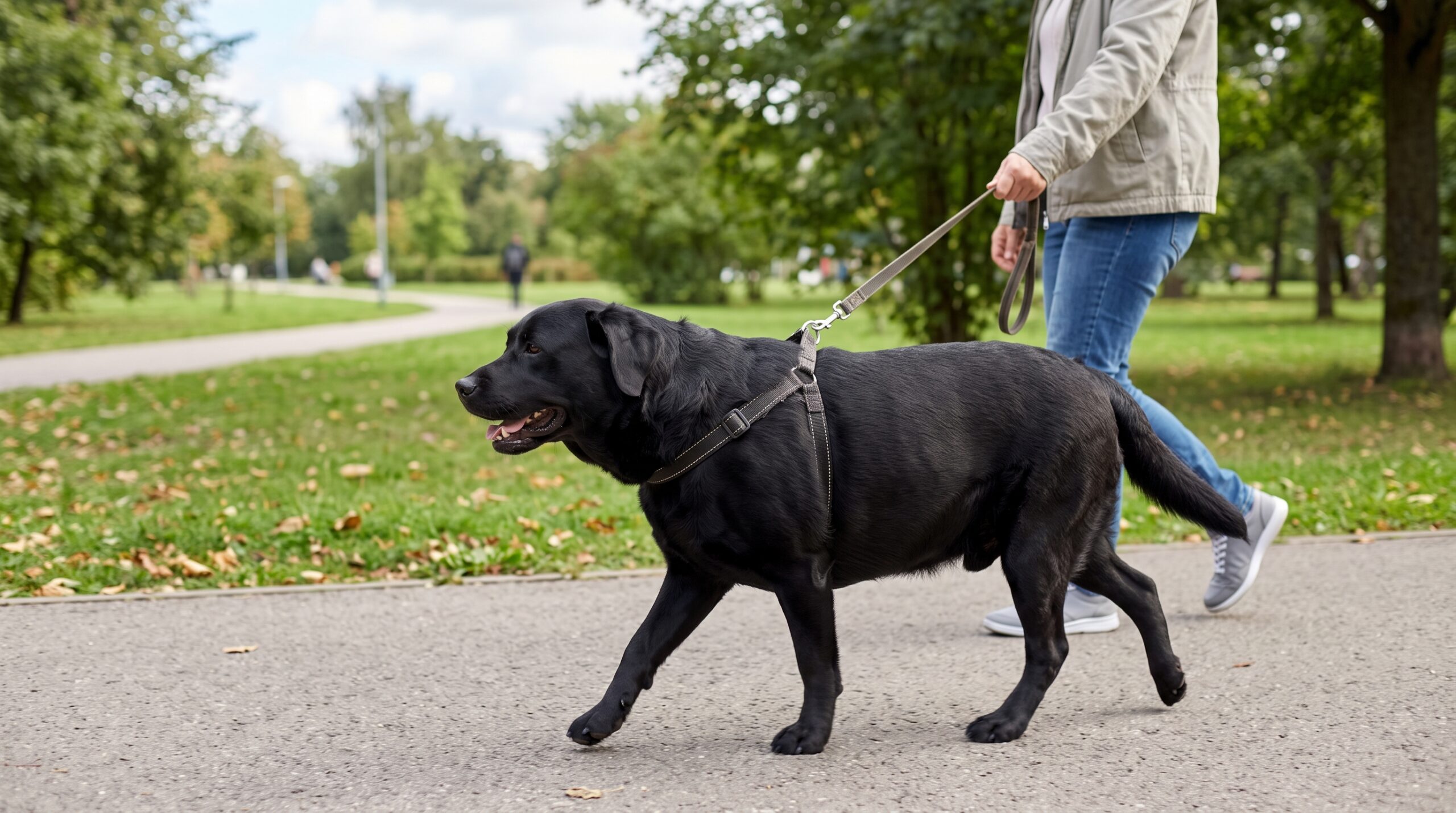
8 Effective Strategies To Control Canine Obesity Starting Today
TL;DR
Canine obesity is a big health concern, but it’s manageable. You can help your dog slim down by measuring food accurately, reducing treats, adding veggies, switching to a weight-loss diet, and gradually boosting exercise. Always consult your vet before starting any weight-loss program.
In the U.S., nearly 60% of dogs are obese, that’s a staggering figure! Extra weight puts a strain on your dog’s joints, heart, lungs, and other organs, and it can even shorten their lifespan. Controlling obesity translates to longevity and there are straightforward steps you can take today to help your furry friend lose weight and enjoy a longer, healthier life.
Here are some top tips to tackle obesity in dogs:
1. Measure Every Single Meal
One of the simplest ways dogs pack on pounds is by getting “heaping” portions. Just a tiny bit extra at each meal can really add up over time.
- Use a proper measuring cup and level it off.
- Don’t just guess portions, be precise!
- Stick to scheduled mealtimes instead of leaving food out all day.
2. Swap High-Calorie Treats for Veggies
Treats can be sneaky calorie traps. A single biscuit can pack anywhere from 7 to 150 calories. Instead of the usual store-bought ones, try:
- Green beans (most dogs love ’em and they’re super low-cal)
- Baby carrots
- Bell pepper slices
- Snap peas
- Plain canned pumpkin (a little goes a long way in making dogs feel full and helps digestion)
Try to keep treats to about 10% of your dog’s daily calorie intake. A neat trick is to set aside some of their regular food to use as treats throughout the day.
3. Switch to a Weight-Management Diet
Not all “diet” dog foods are created equal. Here’s what to look out for:
- Make sure the food meets AAFCO standards.
- Look for “low fat” or “lite” as these labels actually mean something.
- Terms like “healthy weight” or “obesity management” can be just marketing, be cautious.
- Dry food should have at least 30% protein and no more than 8% fat.
- Aim for around 300 calories per cup.
Always check with your vet before changing your dog’s food.
4. Add Water or Veggies to Meals
Mixing in water or low-cal veggies with kibble is a simple trick that:
- Helps your dog feel fuller
- Keeps them better hydrated
- Lowers the meal’s calorie density
Some dogs enjoy “kibble soup,” while others like their kibble to soak up the extra water. See what your pup prefers.
5. Increase Exercise But Do It Slowly
While exercise alone won’t lead to drastic weight loss, it’s still crucial. Here’s how to safely ramp it up:
- Gradually increase daily walks by 10% each week.
- If you’re short on time, quicken the pace a bit.
- Try low-impact activities like swimming, which is easier on their joints.
- Keep an eye out for signs of fatigue—panting heavily or slowing down means it’s time to wrap it up.
Always build up gradually, especially for older or very overweight dogs.
6. Weigh Your Dog Regularly
You can’t manage what you don’t measure! Weigh your dog at least every two weeks. A healthy rate of weight loss is about 1–2% of body weight per week; losing it too quickly can be harmful. Keeping track helps you and your vet adjust the plan as needed.
7. Get a Body Condition Score From Your Vet
Your vet can give your dog a Body Condition Score (BCS) on a scale of 1–9, with 4 or 5 being ideal. This helps set a clear target weight and gives you a roadmap for your dog’s weight loss. Don’t skip this step, it’s crucial for success. Your vet is your most important partner in this journey, so always check in with them before making big changes to your dog’s diet or exercise routine.
8. Consider a Home-Prepared Diet
When commercial diets aren’t cutting it, a carefully planned home-cooked diet might help. These meals can offer more volume with fewer calories. A basic recipe might include:
- Lean chicken breast or 99% lean ground turkey
- Cooked green beans, squash, carrots, or broccoli
- A vet-approved vitamin and mineral supplement
Homemade diet should include guidance from your vet or a certified veterinary nutritionist. Nutritional deficiencies can be a serious risk.
Helping your dog lose weight is one of the most caring things you can do. It takes commitment, consistency, and a bit of patience, but the payoff is a happier, healthier, more energetic pup. No single trick will do the job alone; the best results come from combining several of these strategies.
Frequently Asked Questions
How can I tell if my dog is overweight?
A simple way to check is by feeling your dog’s ribs, you should be able to feel them but not see them. When you look at your dog from the side, their belly should be tucked in, and from above, they should have a noticeable waist. For the best assessment, consider getting a Body Condition Score (BCS) evaluation from your vet.
Is it okay to just cut back on my dog’s regular food instead of switching to a weight-loss diet?
You can definitely reduce the portions of their usual food, but that might lead to some nutritional gaps since they’re eating less overall. Diets specifically designed for weight loss are made to ensure your dog still gets the right nutrients, even with fewer calories. It’s a good idea to chat with your vet to see what’s best for your pup.
Could there be medical reasons my dog is gaining weight?
Absolutely. Issues like hypothyroidism and Cushing’s Disease can lead to weight gain in dogs. Some medications might also be a factor. If you notice your dog is gaining weight even with a controlled diet and regular exercise, it’s wise to have them checked by a vet to rule out any health issues.
How much exercise does my dog need to shed some pounds?
Exercise is great for weight loss, but it works best when paired with dietary changes. Studies show that a daily two-mile walk can help dogs eat a bit more while still losing weight. Just start slow and gradually increase their activity level. Low-impact exercises like walking and swimming are especially helpful for overweight or older dogs. Keep an eye on how your dog reacts, and take a break if they seem uncomfortable or have trouble breathing.
The post 8 Effective Strategies to Control Canine Obesity Starting Today appeared first on Animal Wellness Magazine.
Popular Products
-
 Adjustable Cat Muzzle Anti Bite Scrat...
$44.99$30.78 -
 Automatic Cat Water Fountain with Ste...
$78.99$54.78 -
 Automatic Cat Feeder & Water Dispense...
$87.67$55.78 -
 Automatic Pet Feeder with camera and ...
$369.99$257.78 -
 Wifi 3L Automatic Pet Feeder with Voi...
$200.00$126.78