Recurrent Ear Infection In Dogs And The Yeast Connection
If your dog is constantly shaking their head, scratching at their ears, or leaving behind a funky smell, you already know how frustrating ear problems can be. What many dog parents don’t realize is that what’s happening inside your dog’s body may be just as important as what’s going on inside their ears.
The Yeast Connection
Yeast naturally lives on your dog’s skin and in their ears. Under normal conditions, it stays balanced and causes no harm. But when the body’s internal environment shifts — due to inflammation, diet, or allergies — yeast can multiply quickly and cause real problems.
Signs of yeast overgrowth in the ears may include:
- A musty or sweet odor
- Dark, waxy discharge
- Redness or itching
- Frequent head shaking
According to veterinary experts, most ear problems in dogs actually start with allergic inflammation. The scratching and irritation come first, and then yeast and bacterial infections follow as a secondary problem.
How Diet Plays a Role
Here’s something worth thinking about: a diet high in sugar or processed carbohydrates may actually feed yeast overgrowth. Just like in humans, what your dog eats can either support or disrupt their body’s natural balance.
Some dietary steps that may help support ear health from the inside out include:
- Reducing high-sugar treats and processed snacks — Treats should make up no more than 10-15% of your dog’s daily calories
- Adding anti-inflammatory foods — Omega-3 fatty acids, found in fish oils like salmon oil, are known to help reduce inflammation throughout the body
- Feeding a complete and balanced diet — A nutritionally sound diet helps keep the immune system strong, which in turn helps keep yeast levels in check
- Trying a limited ingredient diet — For dogs with food sensitivities or allergies, a novel protein diet may help reduce the inflammation that triggers ear issues
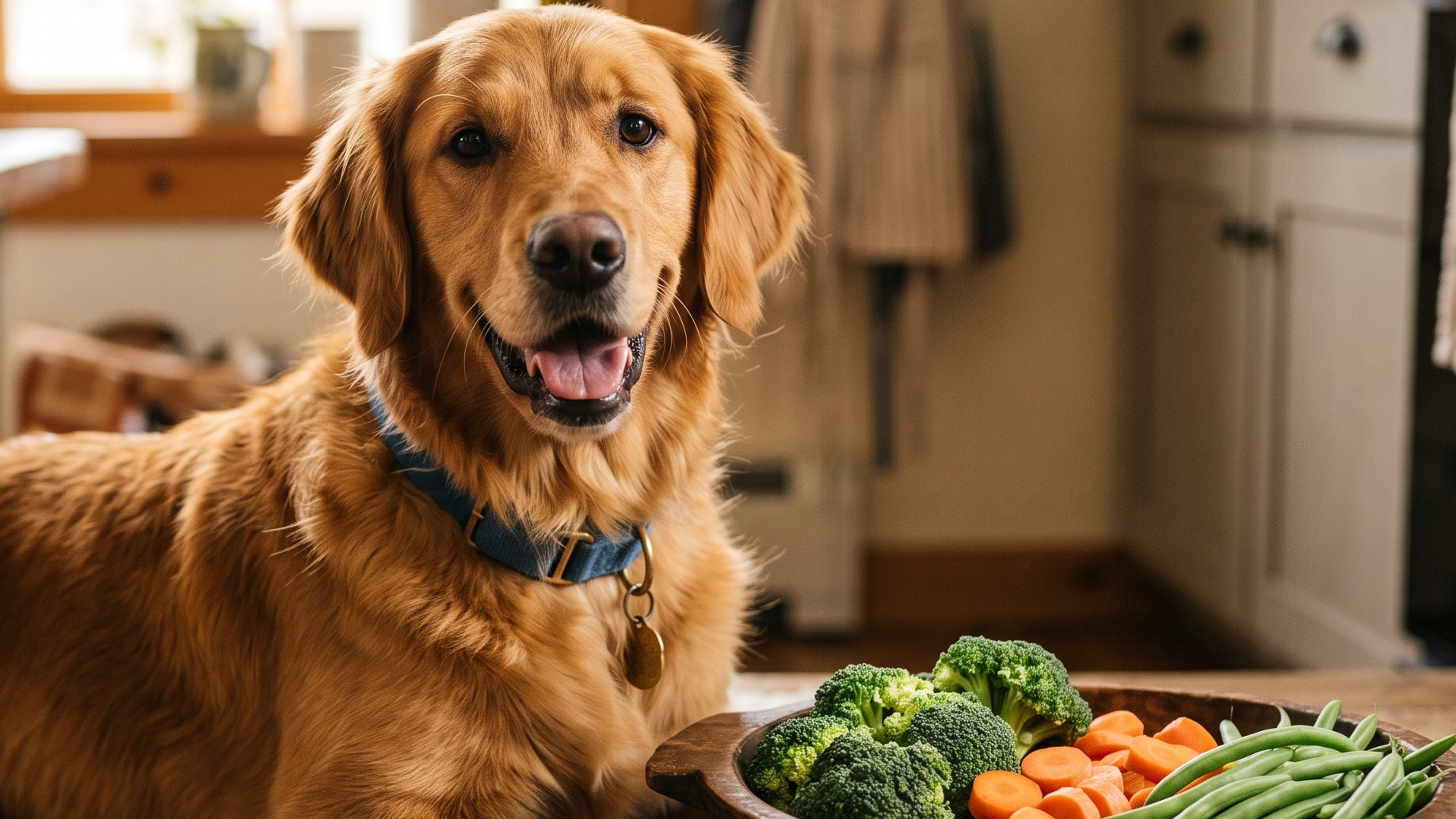
Vegetables like carrots, green beans, and broccoli make great low-sugar, low-calorie treats that won’t disrupt your dog’s nutritional balance.
Don’t Forget the Ears Themselves
Diet is only one piece of the puzzle. Regular ear cleaning with a veterinarian-approved solution helps remove debris where yeast and bacteria love to hide. Always use cotton balls — never cotton swabs — and clean gently. If your dog gets wet from swimming or bathing, dry their ears right away. Warm, moist ear canals are the perfect environment for yeast to grow.
When to See Your Veterinarian
If your dog’s ear issues keep coming back, it’s important to visit your veterinarian. They can examine the ear, identify what’s causing the problem — whether it’s yeast, bacteria, mites, or allergies — and recommend the right treatment plan. Recurring ear infections often signal an underlying condition that needs professional attention.
Supporting your dog’s ear health starts from the inside out. A cleaner diet, reduced inflammation, and regular ear care can make a big difference.
The post Recurrent Ear Infection in Dogs and the Yeast Connection appeared first on Animal Wellness Magazine.
Popular Products
-
 Pet Oral Repair Toothpaste Gel
$59.56$29.78 -
 HEPA Portable Air Purifier Filter Air...
$236.99$164.78 -
 Pet Paw Cleaning Foam Waterless Shamp...
$57.99$39.78 -
 Mini GPS Tracker Bluetooth Anti-Lost ...
$27.99$18.78 -
 Smart GPS Waterproof Mini Pet Tracker
$59.56$29.78