Understanding Cat Stress And Anxiety Plus 7 Calming Tips
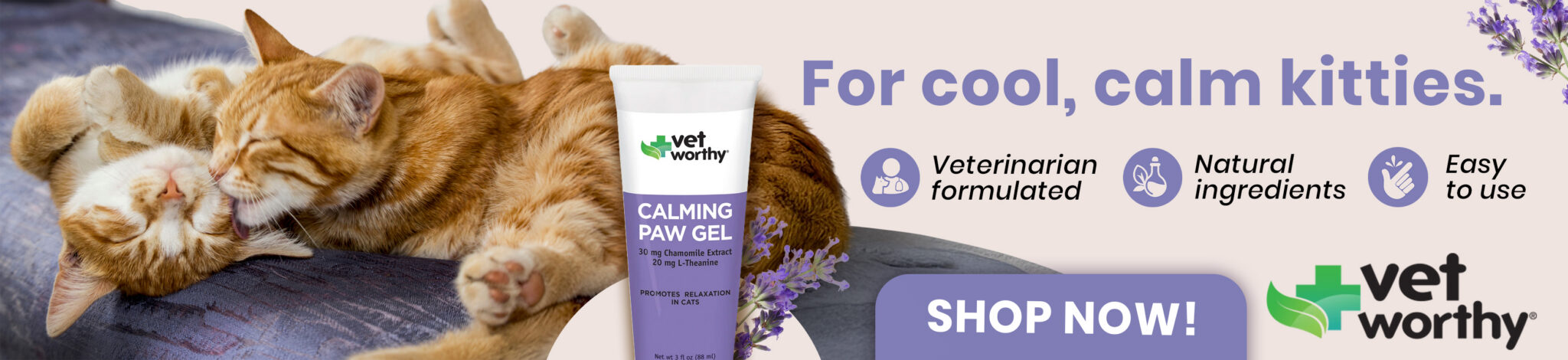
Cats may always seem nonchalant, independent, and self-sufficient, but they can still experience stress and anxiety and sometimes need help managing it. While occasional stress is a normal response to unfamiliar situations, ongoing anxiety can affect your cat’s behavior, physical health, and overall well-being. Understanding what causes cat stress and anxiety and learning to recognize the signs can help you create a calmer, more comfortable environment for your feline friend, especially when you have a little help from a veterinarian-formulated calming product!
TL;DR
Cats can experience stress and anxiety due to changes in their environment, disrupted routines, unfamiliar experiences, or conflicts with other animals. You can help calm them by maintaining a consistent routine, providing safe spaces, encouraging play, and exploring calming products.
What Causes Stress in Cats?
Cats thrive on familiarity, routine, and a sense of control over their surroundings. They can feel unsettled by what may seem like minor changes, such as:
Environmental changes: Moving to a new home, rearranging furniture, renovations, or introducing new people.
Changes in routine: Altered feeding schedules, changes in your work routine, or time spent alone.
Other animals: Introducing a new animal, conflicts with other household cats, or encountering unfamiliar animals outdoors.
Lack of enrichment: Limited opportunities to play, climb, explore, scratch, or express natural hunting behaviors.
Unfamiliar experiences: Veterinary visits, car rides, loud noises, and unfamiliar surroundings.
How to Recognize the Signs of Stress in Cats
Cat stress and anxiety aren’t always obvious and can look like:
- Hiding more frequently or avoiding interaction
- Excessive grooming, scratching, or licking
- Increased vocalization, growling, or hissing
- Urinating outside the litter box or changes in litter box habits
- Reduced appetite or changes in eating behavior
- Restlessness, irritability, or aggression
- Withdrawing from play or social interaction
- Becoming clingy
7 Ways to Make Your Cat Feel More Relaxed
- Maintain a consistent routine: Feed your cat, schedule playtime, and maintain daily activities at predictable times to help them feel secure.
- Create safe spaces: Provide cozy hiding spots, quiet resting areas, and elevated perches where your cat can retreat when feeling overwhelmed.
- Encourage daily play: Use interactive toys that mimic hunting behaviors to provide mental stimulation, release energy, and reduce boredom.
- Introduce changes gradually: Slowly introduce new animals, people, furniture, or routines to give your cat time to adjust.
- Provide plenty of resources: Ensure your cat has easy access to clean litter boxes, fresh water, food, scratching posts, and comfortable sleeping areas.
- Schedule regular veterinary visits: Regular checkups can help identify medical issues that may affect your cat’s comfort.
- Try calming products: Calming supplements, topical formulations or gels, sprays or diffusers, and other products can help cats feel more relaxed and comfortable.
Managing Cat Stress and Anxiety with a Calming Paw Gel
Make stressful moments a little easier with Vet Worthy Calming Paw Gel. Veterinarian-formulated with chamomile, L-theanine, passion flower, oat extract, and catnip, this easy-to-use gel helps support relaxation when your cat needs it most. Whether you’re preparing for travel, fireworks, grooming, or time apart, simply apply the delicious, fish-flavored gel to your cat’s paw and let their natural licking behavior do the rest. It’s a simple, tasty way to help your feline friend feel more comfortable when life gets a little overwhelming.
Visit Vet Worthy to learn more about veterinarian-formulated products to manage cat stress and anxiety.
The post Understanding Cat Stress and Anxiety Plus 7 Calming Tips appeared first on Animal Wellness Magazine.
Popular Products
-
 Pet Oral Repair Toothpaste Gel
$59.56$29.78 -
 HEPA Portable Air Purifier Filter Air...
$236.99$164.78 -
 Pet Paw Cleaning Foam Waterless Shamp...
$57.99$39.78 -
 Mini GPS Tracker Bluetooth Anti-Lost ...
$27.99$18.78 -
 Smart GPS Waterproof Mini Pet Tracker
$59.56$29.78