Australia’s Wish For A Kinder, Gentler Politics Seems Doomed To Disappointment
CANBERRA — In one of the saddest and most horrific weeks in Australian politics I can remember, let’s start with the good news and the points of consensus.
Helen Haines, the independent MP targeted by a 43-year-old man who allegedly attacked her with his vehicle, is the best of us. It was a common refrain across the political spectrum because it is true. Her kindness and empathy, her dedication to the public good, the civility with which she pursues her mission of accountability and transparency in politics. There is so much to love about Haines, and the fact we all agree on these values is a good sign.
It seems too obvious to need mentioning but it does, because in other democracies nothing can be taken for granted: losers dispute the results of elections; political violence is excused, or sets off wild conspiracy theories online — even from supposedly mainstream stakeholders; international laws are insisted upon for adversaries but not allies or one’s own country, so that extrajudicial killing and disproportionate military action gets a pass.
Australia is not immune from this sickness of moral relativism and normalization of political violence. Australia is girt by sea, as its national anthem proclaims, but the crazy can be downloaded or streamed from offshore. Just ask Arsen Ostrovsky, a Jewish-Australian victim of the Dec. 14 antisemitic terror attack, who was branded a crisis actor by online conspiracy theorists in videos claiming his blood spilled at Bondi Beach was makeup – videos YouTube refused to take down for months after the attack.
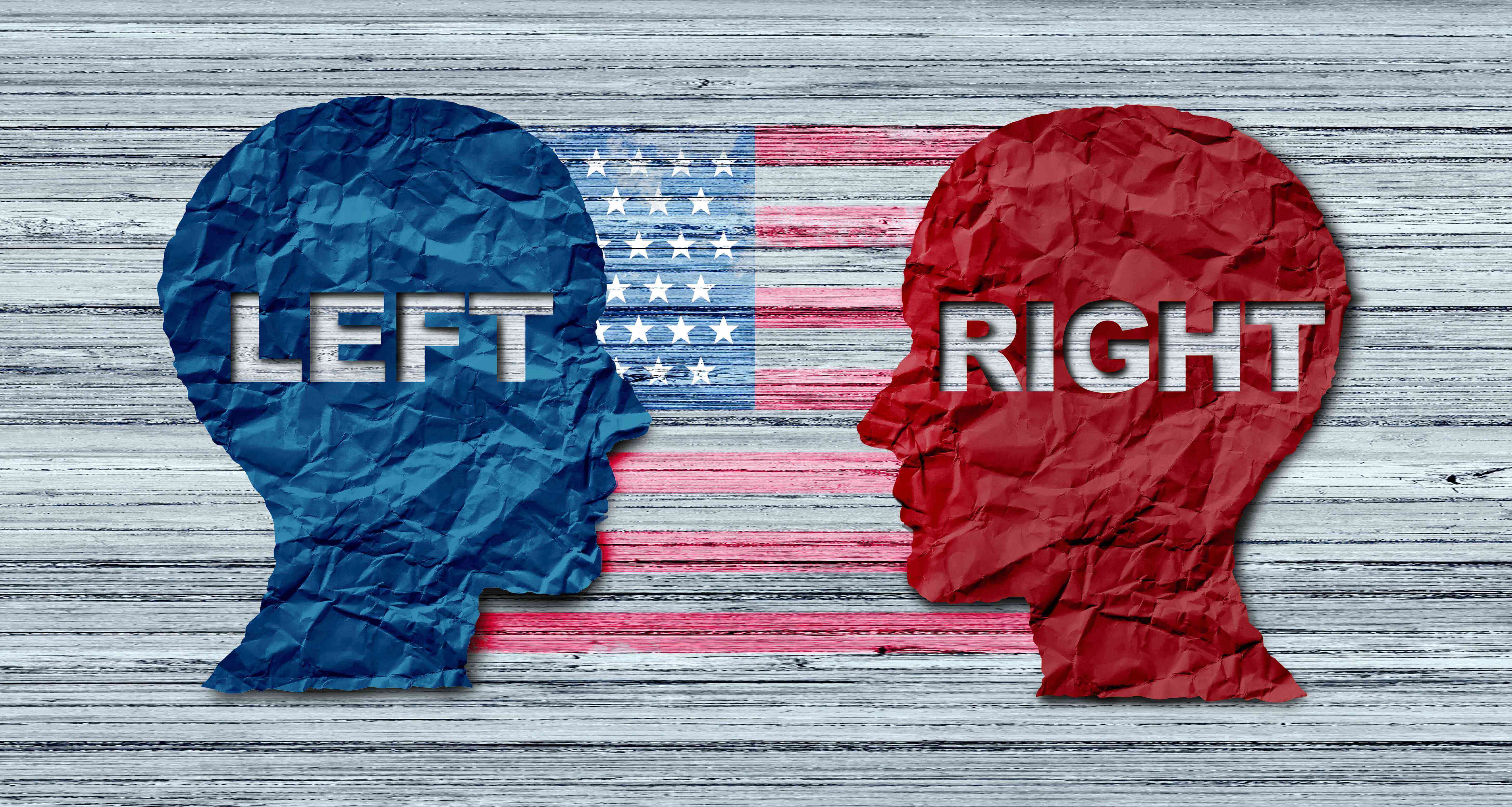
Still, the attack on Haines did produce consensus on the need to turn the temperature down in politics. This resulted in two immediate back downs: right-wing nationalist Sen. Pauline Hanson, who had previously told Sen. Jacqui Lambie to get over a One Nation cartoon mocking her for her vaginal prolapse, recanted. As did Liberal MP Angie Bell, who finally apologized for saying that Prime Minister Anthony Albanese and Small Business Minister Anne Aly, a Muslim woman, should be stoned in the street over the credit card surcharge ban.
No backdown yet from Albanese for his office circulating a dirt sheet about Haines’ lobbying for governments grants for local projects. Albanese’s attempt to spin this as evidence only of Haines’ advocacy is laughable: the document is laced with innuendo, and was intended to deflect heat from Albanese by questioning Haines' motives and relationships. . Albanese’s office could have made their point — that Haines, like Albanese, benefits when government spends on projects she cares about, without implying a more direct quid pro quo. Time to apologize and move on.
What now? More police protection for elected officials at events and security for their homes and offices are common sense measures. They would not have stopped the attack outside Haines’ office as she loaded the boot of her car. With tributes set to flow for Haines on Monday in parliament, we can all hope for a more civilized week in question time. But the Coalition continues its campaign against the government’s proposed digital duty of care, so Albanese’s blame for social media algorithms stoking division is clearly not going to result in an outbreak of kumbaya about particular solutions.
It’s one small illustration that moving from the general call to “turn the temperature” down to the particular — yes, but how — is not easy. Political combatants may cool it for a short time after a horrific incident, but the overall trend — the climate, to extend the metaphor — is still getting hotter.
That’s because the incentives remain the same: to grab headlines; to stir emotions for engagement on social media; to combat the decline of the major parties by adopting some of the rhetoric of the disruptors.
Case in point was Labor women confronting Meta in the week before the Haines attack about abuse they suffer online. As one MP told POLITICO: many MPs use a third-party plugin to hide and report abuse on Meta platforms, but they don’t trust the social media giant to do that themselves because “what drives engagement, and makes them money, is outrage.” Patch-up jobs that block nasty commenters are no substitute for structural solutions.
Albanese told two interviewers this week that he disagrees with Liberal leader Angus Taylor and Nationals leader Matt Canavan about many things but knows they love the country. For me, it recalled John McCain correcting a voter who accused Barack Obama of being an Arab — a masterclass in disagreeing respectfully and turning the temperature down.
But Republicans like McCain are nearly extinct. Donald Trump gained prominence from birther conspiracy theories, won two elections and never accepted the result of the one he lost. In Australia, One Nation is on the rise — and it’s noteworthy Albanese omitted its leader from the list of opponents he praised.
No doubt he had his reasons for not wanting to give Hanson the same pat on the back as Taylor and Canavan, and no doubt he had his reasons not to apologize for the Haines dirt sheet. But then, his opponents too have their reasons for targeting Albanese and rejecting every proposed solution to degraded political discourse. Everyone can take individual responsibility, and aim to do better in their contributions. But as a society it feels Australia is circling the same drain as the rest of the world.
Popular Products
-
 Devil Horn Headband
$25.99$11.78 -
 WiFi Smart Video Doorbell Camera with...
$61.56$30.78 -
 Smart GPS Waterproof Mini Pet Tracker
$59.56$29.78 -
 Unisex Adjustable Back Posture Corrector
$71.56$35.78 -
 Smart Bluetooth Aroma Diffuser
$585.56$292.87