Epa Boss Offers Forceful Defense For Scrapping Landmark Obama Climate Policy
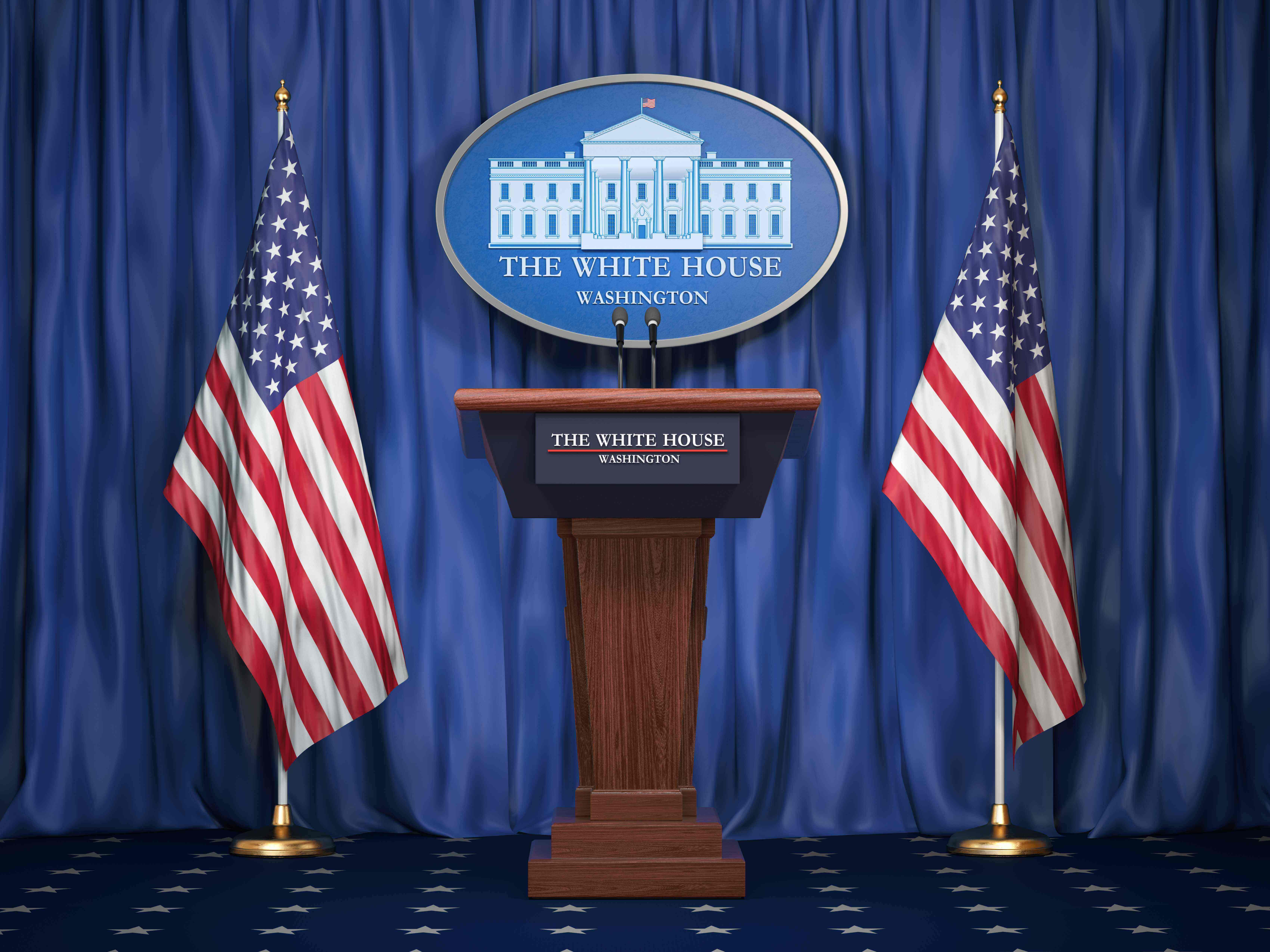
Environmental Protection Agency Administrator Lee Zeldin is just following the law, he said Saturday in Munich, where he defended the Trump administration's move this week to disengage the United States from decades of efforts to regulate climate change.
"There's only one best reading of the Clean Air Act," he said in an interview with POLITICO’s Dasha Burns on the sidelines of the Munich Security Conference.
Zeldin’s appearance at the POLITICO Pub came just days after he and President Donald Trump eliminated the underpinning of U.S. climate policy — the so-called endangerment finding — focusing on a legal, rather than scientific, argument.
Side-stepping a question about the value of U.S. leadership on climate policy, Zeldin argued Congress needs to make a direct choice to regulate greenhouse gases if that is what they want, and said recent Supreme Court decisions pushed him to rework his agency’s efforts.
There’s “no way that I'm gonna sit here and have any apology or regret for applying the best reading of the law and reading a Supreme Court decision that makes it clear that if you're going to regulate the heck out of greenhouse gas emissions with trillions of dollars of regulatory costs on Americans," he said, "that's something that Congress should have a debate and a vote on.”
The Munich Security Conference is not typically a gathering place for environmental regulators, but Zeldin said attending offered chances to talk with world leaders about international initiatives, particularly the U.S. quest for “energy dominance” — also not typically a focus for the nation’s environmental regulators.
He mentioned the need for data centers and critical minerals, and “there's a lot of investment that's coming in the United States, including from European countries and we play an important role in the … permitting of these projects,” which he wants to see happen “as fast and efficiently as possible,” he noted.
Secretary of State Marco Rubio earlier in the day railed against the “climate cult” in Europe, a message Zeldin said he thought would find a receptive audience.
"I'm not here to lecture, shame, these European countries that their targets on environment are too strong or not strong enough," he said.
Zeldin, whom Trump dispatched earlier this month to hasten housing permits in California, criticized the state and local recovery efforts in the wake of the 2025 Los Angeles wildfires. But he redirected a question about California Gov. Gavin Newsom, whom he recently accused of lobbing insults at the president rather than focusing on recovery efforts.
"My focus here is to help people rebuild," he said, mentioning meetings with Los Angeles Mayor Karen Bass and other local leaders. "My motivation is to get people who a year after this storm hit, who, whether it's a resident, it's a business, and for whatever reason they have not been able to rebuild what burned down. I will do whatever I possibly can to help them."
After a little more than a year on the job at EPA, Zeldin said he has not “given it any thought” when asked about his future career or whether he’d be open to serving in another Trump administration position.
It’s a “pet peeve” of his, Zeldin said, when he sees an official take a position and “you could tell, like, a minute later” they are “consumed on what's next. That's never been me.”
Zeldin, a New Yorker, said he took a lesson in politics from Hillary Clinton earlier in her career when she served in the U.S. Senate. She traveled extensively and learned a lot of background information ahead of her meetings, Zeldin said, which helped her win over her critics.
Clinton could go to a local meeting with a “hardcore conservative who absolutely despises the Clintons,” Zeldin said. She would greet people by their name and it would “melt that conservative” who previously “hated Hillary Clinton,” he said.
“They're neutralized and disarmed,” he said. “It's very important to focus on what is right in front of you in that moment.”
Joe Gould contributed to this report.
Popular Products
-
 Classic Oversized Teddy Bear
$23.78 -
 Gem's Ballet Natural Garnet Gemstone ...
$171.56$85.78 -
 Butt Lifting Body Shaper Shorts
$95.56$47.78 -
 Slimming Waist Trainer & Thigh Trimmer
$67.56$33.78 -
 Realistic Fake Poop Prank Toys
$99.56$49.78