Gop Pitches Student Loan Repayment As Americans Struggle To Keep Up With Bills
Republicans say it’s long past time for millions of people to pay down their overdue student debt — a message they are trying to send to Americans already stressed about the cost of food, health care and housing.
After the Biden administration let borrowers put off their bills during the pandemic-era payment pauses and canceled billions of dollars in student debt, Republicans are taking steps to collect. Within the first few months of the Trump administration, the Education Department moved to forcibly recover payments on student loans.
But the GOP’s messaging to resume payments is on a collision course with economic reality: Nearly 12 million borrowers are behind on their loans.
The Trump administration has already retreated from some of its efforts to collect on student loan debt, including plans last year to seize Social Security benefits from borrowers in default. And in a surprising reversal, the Education Department said last week it is pausing its plans to nab wages and tax refunds from people with past-due student loans.
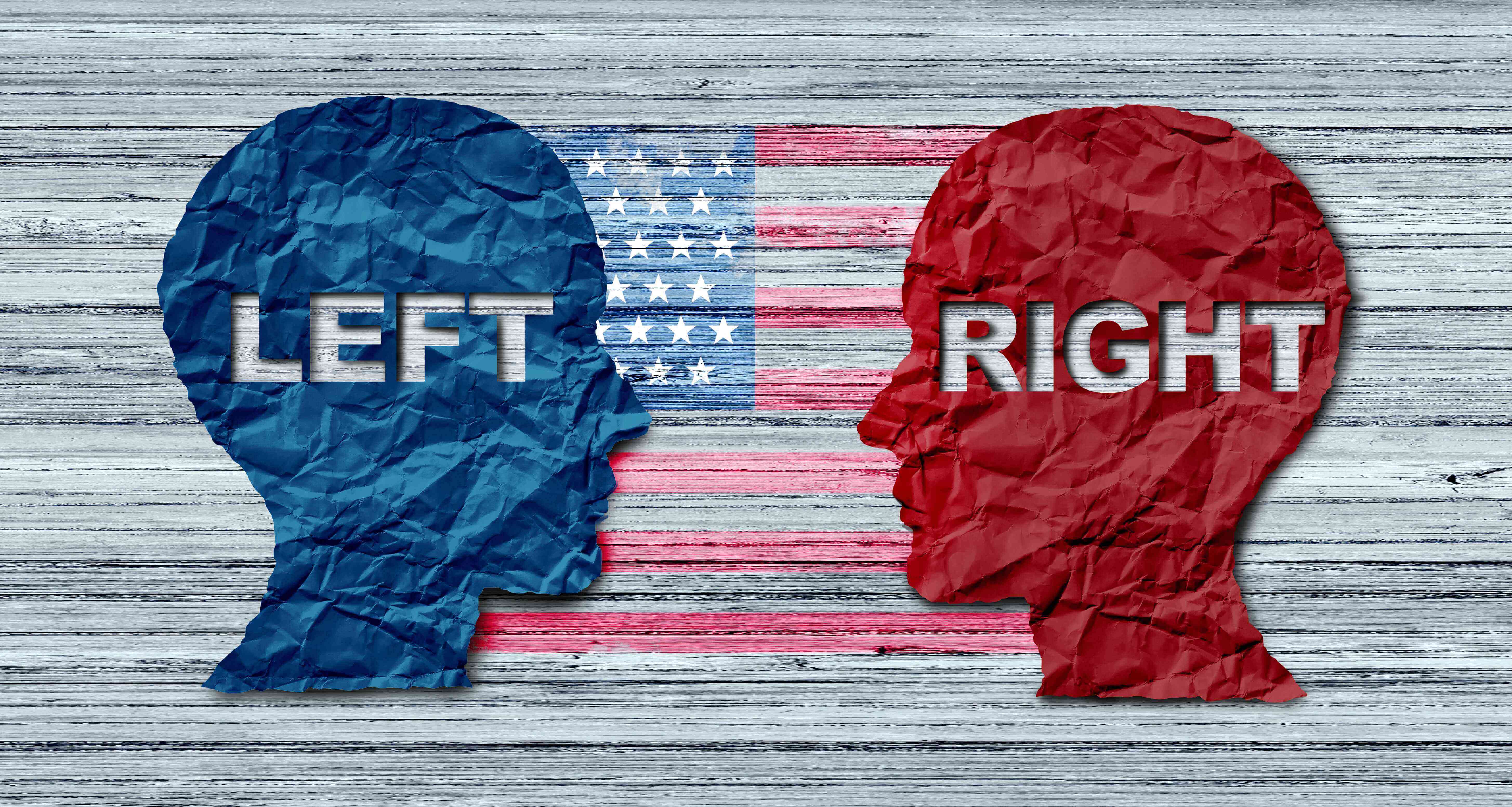
Republicans say their new repayment policies focus on the borrowers who need the most help, debt cancellation is unfair to people without student loans and that the latest financial strain and mixed messages are former President Joe Biden’s fault. But that hasn’t obscured the fact that student loan bills are piling up ahead of a midterm election where concerns about the cost of living could flip majorities in Congress.
“There needs to be a lot more clarity on this and a lot more transparency and communication to borrowers, because people have just suffered this whiplash where the policy has changed,” said Rep. Kevin Kiley (R-Calif.), a member of the House education committee.
Still, Republicans insist their overall approach — combining a proposed settlement by the Trump administration to end a Biden-era student loan repayment plan and an array of new loan policies from the GOP’s domestic policy law — will help borrowers get back on track in paying off their student loan debt.
“When it’s chaos, people have a chance of doing nothing and sadly, that's put some people even into a harder place,” said Rep. Burgess Owens (R-Utah), chair of the House education subcommittee on higher education.
The GOP’s One Big Beautiful Bill Act established two new repayment options — the Repayment Assistance Plan, which is based on income, and a standard plan based on the size of their debt. Those new plans are expected to be available in July.
The new income-based plan is less generous than the Biden administration’s student loan repayment plan, which offered monthly payments as low as $0 and a quicker path to debt relief.
But Republicans say their new income plan helps the borrowers they think will have the most trouble paying back their loans: poorer Americans. The new plan offers payments as little as $10 for borrowers earning $10,000 a year or less.
“The ones that we're probably most concerned with are the lowest income, the others should be able to keep up with their levels as well, so it's based upon their need, based upon their ability,” House education committee Chair Tim Walberg (R-Mich.) said.
“They have a choice, income-driven or the new system, so I think it's very realistic,” he added.
An Education Department spokesperson said the Biden administration "used the student loan system for political gain," instead of getting borrowers back on track to repay their loans.
"The truth is simple: loans must be repaid," said Ellen Keast, a department press secretary for higher education, in a statement to POLITICO. "[T]he Trump Administration passed the largest student aid overhaul in history, simplifying repayment, reducing principal for responsible borrowers, and holding colleges accountable. We are moving quickly to implement these reforms for the benefit of students and taxpayers.”
But with polling showing many borrowers feel like they can’t meet their basic needs like food and health care costs because of their student debt, and a recent edition of The POLITICO Poll detailing that Americans are finding it difficult to afford their bills, lawmakers acknowledge that student loan debt could fall by the wayside.
“There's a lot of folks who have gotten into pretty significant debt because of the spiraling cost of higher education,” Kiley said. “People are really under financial stress, and a lot of people in the country are because of the lingering inflation and the cost-of-living.”
He added: “When people are working hard, working long hours trying to support a family, and then having to figure out, ‘OK what exactly is the latest regulatory change when it comes to my student loans?’ I think that’s a challenge.”
Kiley said he’s worried that the Education Department could fall into similar traps the Biden administration faced when trying to break through to student loan borrowers and the botched rollout of new programs like the revamped federal student aid form that was marred with technical difficulties.
Student loan experts say that communication to borrowers that payments have resumed and ensuring that administrative operations like the federal student aid help center and contact with organizations that service student loans are properly functioning is essential to getting borrowers on track.
Preston Cooper, a senior fellow at the conservative-leaning American Enterprise Institute, said affordability alone isn’t why borrowers aren’t paying back their debts. He said that the pandemic-era payment pauses and shifts in student loan policies are also contributing to the lapse in payments.
“There's really no precedent for what the Education Department is trying to do right now,” Cooper said. “The most fundamental thing is messaging, right? That we need to send a very clear message that payments are due again. The payment pause is over.”
But the growing concerns around the cost-of-living appear to have captured the attention of the Education Department, which paused the seizure of wages and tax refunds from borrowers with past-due loans last week. Education Secretary Linda McMahon triggered an agency announcement after a reporter in Rhode Island asked about the optics of intercepting that money if people are struggling financially. The move marked a change of course after the department sent notices earlier this month to roughly 1,000 borrowers that their wages would be garnished.
McMahon also pointed to Biden, saying he’d created confusion by offering too many programs for people to pay down their debt or giving them hope he’d wipe out their debt entirely.
“People just stopped paying,” she said.
The decision to hold off is meant to allow the department to implement new student loan repayment options from the GOP’s domestic policy law and to help borrowers “resume regular, on-time repayment, with more clear and affordable options,” Education Undersecretary Nicholas Kent said in a recent statement announcing the pause on involuntary collections.
Democrats had panned the Education Department’s move to seize paychecks as borrowers default on their loans — as well as the GOP’s broader loan strategy — as they struggle to balance loan costs with other bills.
“We need to have more affordable higher education so people don't get into debt, but in the meantime, we need to work with borrowers, actually see what their situation is, and have a humane way of providing counseling or debt forgiveness, depending on what program they're in,” said Rep. Suzanne Bonamici (D-Ore.), a member of the education committee.
“It’s not because of Joe Biden,” she said.
Popular Products
-
 Wireless Health Tracker Smart Ring - R11
$131.56$65.78 -
 Electric Hair Straightener and Curlin...
$161.56$80.78 -
 Pet Oral Repair Toothpaste Gel
$59.56$29.78 -
 Opove M3 Pro 2 Electric Massage Gun
$901.56$450.78 -
 Portable Electric Abdominal Massager ...
$45.56$22.78