I Study Polling Failures – This Time, Pollsters Were Mostly Right, If Not Precise
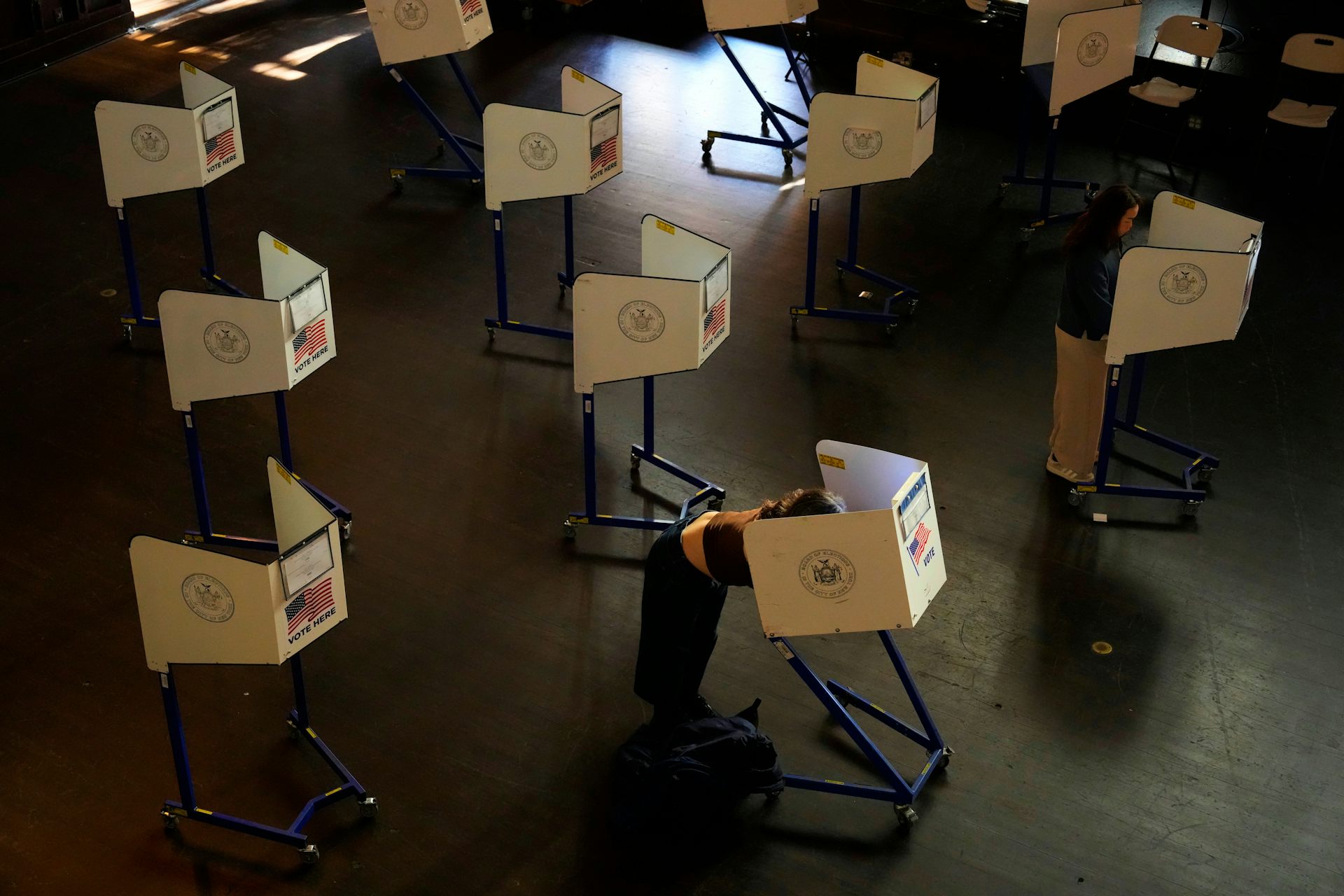
The crucial test for preelection polls is whether they broadly indicate how voters are likely to decide. By that fundamental measure, the 2026 midterm polls largely succeeded in anticipating outcomes on Election Day.
If somewhat tentatively, the polls overall had been signaling important gains for Democrats. And that is what voting produced.
It was, perhaps, polling’s most reassuring performance since accurately anticipating Barack Obama’s presidential election in 2008, an outcome cited in my book, “Lost in a Gallup: Polling Failure in U.S. Presidential Elections.”
Two truisms confirmed
This is not to say the 2026 preelection polls offered precision estimates before returns poured in. They appear to have underestimated support for Democratic candidates in some Senate races.
But spot-on precision, while enviable, is not what polls can be expected to produce, considering the many ways error can infiltrate opinion surveys. Given their checkered record in recent national elections, pollsters and media analysts tended to couch their end-of-campaign assessments in measured tentativeness.
For example, Nate Cohn, chief political analyst for The New York Times, wrote just before the election that “it’s reasonable to wonder whether the polls might be overestimating Democratic strength yet again. This is a real possibility. President Trump’s supporters are relatively unlikely to respond to polls, which introduces the ever-present risk of a polling misfire.”
That risk was mostly unrealized, as Republican candidates were swept in a red wipeout.
The 2026 polls tended to confirm the truism in American politics that midterms typically are rough on candidates of the party that holds the presidency.
Another truism, again reaffirmed, is that a president’s approval ratings often are useful in gauging the country’s mood before midterm elections. President Donald Trump’s preelection approval ratings hovered at or below 40%, according to survey data compiled by RealClearPolitics.

The U.S. war with Iran, launched by Trump, was a major factor propelling the unenviable ratings. The conflict went unresolved while fuel prices surged, bringing pain to consumers.
Those and other problems prompted polling analyst Nate Silver to write that Trump “almost seems to have a death wish in these midterms. And the one superpower he has – turning out low-propensity voters in presidential years, the sorts of voters who apparently are often missed by pollsters – has never really worked when Trump himself wasn’t on the ballot.”
And it didn’t work this time, either, even though throughout the campaign Trump encouraged supporters to pretend his name was on the ballot and turn out to vote.
Few polling misses
When examined closely, the polls delivered some disagreement in the days before the election. Pollsters offered ranges that, in some races, were sizable.
For example, was Republican Senate candidate Ken Paxton up by 1 percentage point in Texas late in the campaign, or was he down 7 points? Paxton lost by double digits to Democrat James Talarico, a margin that no pollster anticipated.
Similarly, was long-serving Republican Sen. Susan Collins ahead by 2 points in Maine or was she losing by 9 points? The outcome was closer to the latter reading, with Democrat Troy Jackson winning by more than six points.
In Minnesota, was Democratic Senate candidate Peggy Flanagan up by 14 points, or by just 2 points? With most votes counted by the day after the election, Flanagan’s margin of victory was about 10 points.
Such polling gaps in high-profile races offer a reminder to not focus on any single survey but, instead, to consider overall polling averages, which tend to remove or reduce the effects of outliers.
None of this necessarily is to declare that pollsters have resolved their persistent problems in sampling, especially in interviewing hard-to-reach voters. But big polling misses like that in the Texas governor’s race – where Democrat Gina Hinojosa won by double digits, although polls had shown Republican Gov. Greg Abbott ahead by a few points – were few this election cycle.
Meanwhile, the electorate’s broad inclinations were plainly if not precisely depicted.
That outcome has to be heartening for pollsters, an often-beleaguered and much-criticized cohort.
W Joseph Campbell does not work for, consult, own shares in or receive funding from any company or organization that would benefit from this article, and has disclosed no relevant affiliations beyond their academic appointment.
Popular Products
-
 Classic Oversized Teddy Bear
$23.78 -
 Gem's Ballet Natural Garnet Gemstone ...
$171.56$85.78 -
 Butt Lifting Body Shaper Shorts
$95.56$47.78 -
 Slimming Waist Trainer & Thigh Trimmer
$67.56$33.78 -
 Realistic Fake Poop Prank Toys
$99.56$49.78