Israel Has Had A Tough Month In The U.s. It’s Fighting Back.
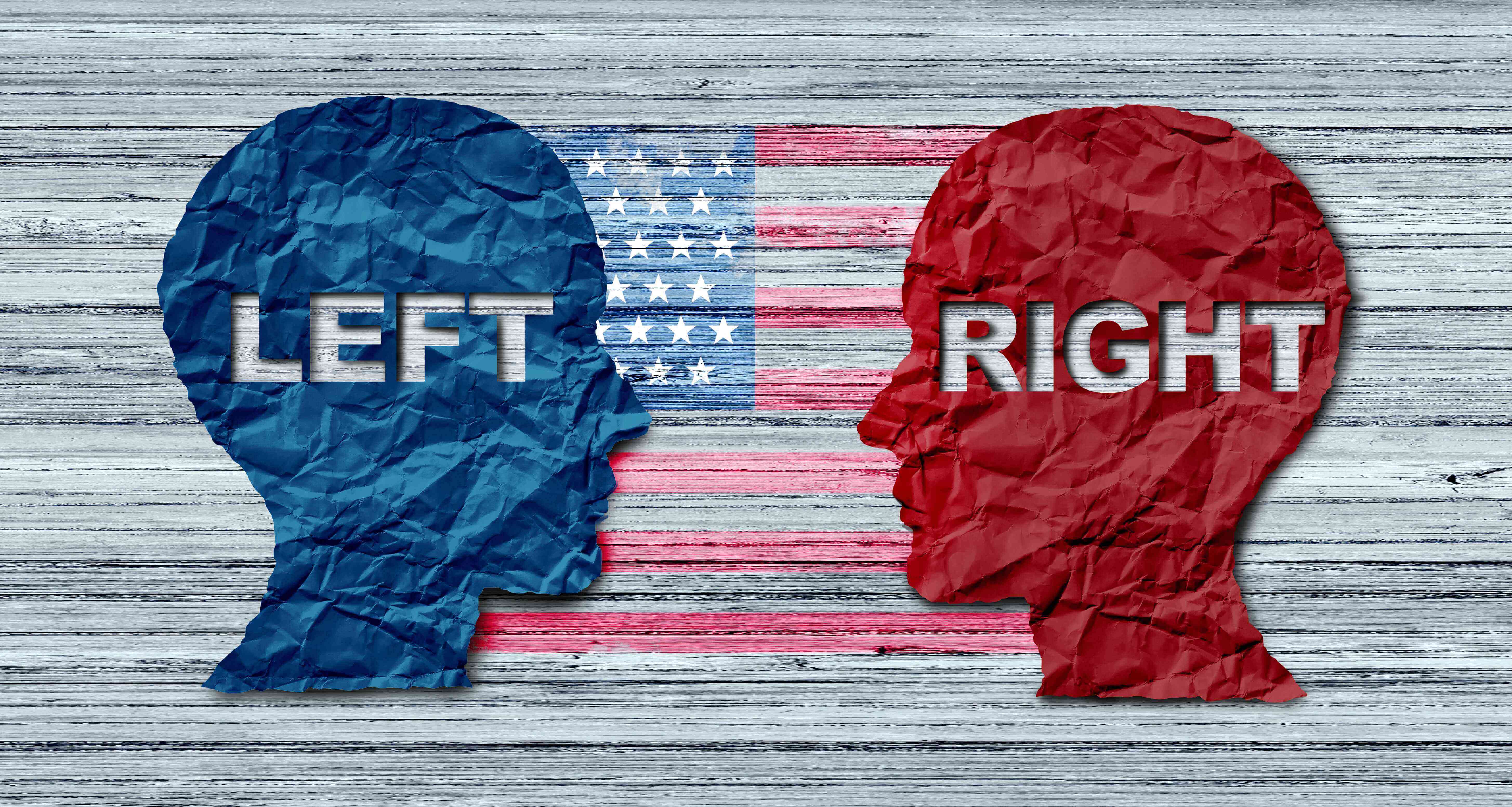
Israel and its allies are on a mission to rescue its battered reputation in the United States.
The Middle Eastern country and organizations that support it are publicly and privately fighting against an unusual barrage of bipartisan U.S. criticism. That wave of anti-Israel anger reached new heights this week as more than 100 House Democrats voted for a failed measure to end aid to Israel, while Vice President JD Vance accused Israel of waging an online offensive against him.
The pro-Israel response, while largely uncoordinated, includes outreach to lawmakers, targeted campaign spending and a likely U.S. visit by Israeli Prime Minister Benjamin Netanyahu later this month, according to leaders of various groups and an Israeli official.
America is Israel’s most important global ally, so the stakes are high. But Israel is arguably facing a steeper challenge in easing the current tensions than in past disagreements with Washington. U.S. frustration over Israeli actions on fronts from Gaza to Iran to the West Bank has been on the rise since its first strikes in response to the Oct. 7, 2023, Hamas attacks. Now the relationship appears near a breaking point.
The American public has been increasingly critical of Israel in polls, and the politicians who represent them are starting to follow.
Upcoming elections in Israel are making it harder for the Israeli government and its backers to forge a long-term messaging strategy because Netanyahu’s fate is unclear.
Some pro-Israel groups are working to buttress relations with the allies they still have.
The Orthodox Union Advocacy Center, the public policy arm of the nation's largest Orthodox Jewish organization, is asking its members to reach out to thank the Democrats who voted against cutting off aid to Israel, according to Nathan Diament, the center’s executive director.
“The first thing we want to do is reinforce our friends,” Diament said.
Ted Deutch, the chief executive officer of the American Jewish Committee, said he was stepping up his visits with U.S. lawmakers.
"We have a playbook to combat antisemitism that we've shared extensively with members of Congress and their staffs. That's a big piece of this,” Deutch said.
Israeli officials, meanwhile, are making sure they’re very visible in Washington.
Israel’s Foreign Minister Gideon Sa’ar is in the U.S. this week, likely hoping to get face time with U.S. officials during a gathering focused on an alleged rise in terrorism by far-left groups.
Israel’s ambassador to the United States, Yechiel Leiter, meanwhile, has been regularly meeting with Democrats and Republicans in Congress, an Israeli official said, while using social media to defend Israel against criticisms.
The House vote and Vance’s accusations were just two of several blows to Israel in recent weeks.
Rep. Ro Khanna (D-Calif.), who may run for president, accused Israeli settlers and soldiers of effectively detaining him when he visited the West Bank, where millions of Palestinians live under Israeli occupation. Another potential Democratic presidential contender, Rahm Emanuel, made headlines, too, when he delivered a speech in Israel warning the country that it could face sanctions and a loss of U.S. military financing, especially if it did not end Israeli violence toward Palestinian civilians and property.
Leiter in particular has fought back against Khanna’s allegations about his predicament in the West Bank, accusing the lawmaker of, among other things, not coordinating his trip with Israeli authorities.
But the Democratic Party and many Americans may be immune to many of the pro-Israel efforts at image rehabilitation.
“This isn’t something a pricey lobbying contract can fix. This is about underlying conduct,” said Ned Price, a former senior official in the Biden and Obama administrations.
Polls show support for Israel is falling among both Democrats and Republicans. The polls speak to a younger American generation that has more sympathy for Palestinians as well as frustration among some Republicans wary of seemingly endless conflicts such as the ongoing U.S.-Israel war with Iran.
Some of the pro-Israel efforts in Washington are an extension of months or years of campaigning as it has become increasingly clear that Israel is losing friends in America.
Organizations such as the American Israel Public Affairs Committee and the Republican Jewish Coalition have for months been using their campaign spending arms to target candidates on the left and right who they believe would not support Israel or the broader Jewish community.
The highest-profile example of damage control on the Israeli side is expected in the coming weeks.
Netanyahu, the target of much of the American ire, is planning a visit to the U.S. this month, likely to coincide with a memorial service for the late South Carolina Republican Sen. Lindsey Graham, said the Israeli official, who was granted anonymity to discuss diplomacy.
The Republican Jewish Coalition may get its best chance to make its case at its leadership summit next month. Vance and Trump may be among those appearing at the Las Vegas gathering. The event’s programming is almost certain to be influenced by the need to address disillusionment among many MAGA Republicans over U.S.-Israeli ties.
Trump has, for the most part, been exceptionally supportive of Israel, including during his first term when he recognized Jerusalem as Israel’s capital. At the moment, his administration is trying to patch up the Israeli-Lebanese relationship.
Although Trump recently ordered new airstrikes against Iran and declared a ceasefire with the country over, he has been wary of prolonging a war that has already hurt the U.S. and global economies. At times, Trump has clashed with Netanyahu, who wants to fully dislodge Iran’s Islamist regime.
Asked for comment, the White House said in a statement that the U.S. has a strong relationship with Israel and “We remain in close coordination with our Israeli partners.”
Some of Israel’s backers in Washington are taking a tough love approach. Democratic Majority for Israel, a group that supports pro-Israel Democrats, issued a statement after the House vote urging Israel to recognize the peril it faces in the United States.
It warned that Democrats are “expressing deep frustration with the Netanyahu government over settlement expansion, violence against Palestinians in the West Bank, extremists in its coalition, and the devastation in Gaza.”
It added that Israel should see the vote “as a wake-up call that significant work is needed to repair its relationship with Democrats.”
Time magazine this week reported that Israel has been involved in an influence operation targeting the MAGA base — an operation that has cost millions and which Vance cited as trying to undermine his diplomacy with Iran. (The Israeli Foreign Ministry dismissed the Time article as “defamatory.”)
Some influence operations are very public. Leiter, the Israeli ambassador, released a booklet in May titled “Manufacturing a Modern Blood Libel: Genocide, Starvation, and the Language of Dehumanization.” The booklet seeks to refute allegations about Israeli actions in Gaza.
Some Israelis argue their country needs a broad, comprehensive strategy to salvage its image in America.
“The Israeli government must understand that the battlefield is no longer only in Gaza, Lebanon, or just Tehran — it is also on American campuses, in Congress, and across X, TikTok, and every arena where public opinion is shaped. We need an urgent strategic response,” said Nitsana Darshan-Leitner, a prominent Israeli lawyer who leads the Tel Aviv-based Shurat HaDin Law Center and has been described as often engaging in lawfare against Israel’s critics.
Former U.S. officials and other analysts stressed that the upcoming Israeli and U.S. elections are a complicating factor.
Because the political landscape could change, especially if Netanyahu is ousted, it’s tough for pro-Israel activists to craft a strategy for fixing the U.S.-Israel relationship. The Israeli election is set for late October.
“While we’re certainly doing some things now, from the broader perspective, [we are] waiting to see what the Israeli electorate decides,” said Diament, of the Orthodox Union Advocacy Center.
When it comes to appeasing Democrats in particular, “dialogue and visits are not enough. There is going to need to be serious policy change, particularly on Israel’s approach to the West Bank and Gaza,” said Dan Shapiro, who served as a Pentagon official during the Biden administration. “Those changes are not possible with the current Israeli leadership and coalition, so the upcoming Israeli elections are a critical inflection point.”
Jon Alterman, a Middle East analyst in Washington, said he would bet on “an effort to apply Band-Aids in the coming months” by pro-Israel groups and Israeli government officials, “but no fundamental improvement in ties until at least the new year.”
Popular Products
-
 Gas Detector Meter
$311.56$155.78 -
 Foldable Garbage Picker Grabber Tool
$93.56$46.78 -
 Portable Unisex Travel Urinal
$49.56$24.78 -
 Reusable Keychain Pepper Spray – 20ml
$21.56$10.78 -
 Camping Survival Tool Set
$41.56$20.78