Meta Faces Pivotal Kids’ Safety Trial
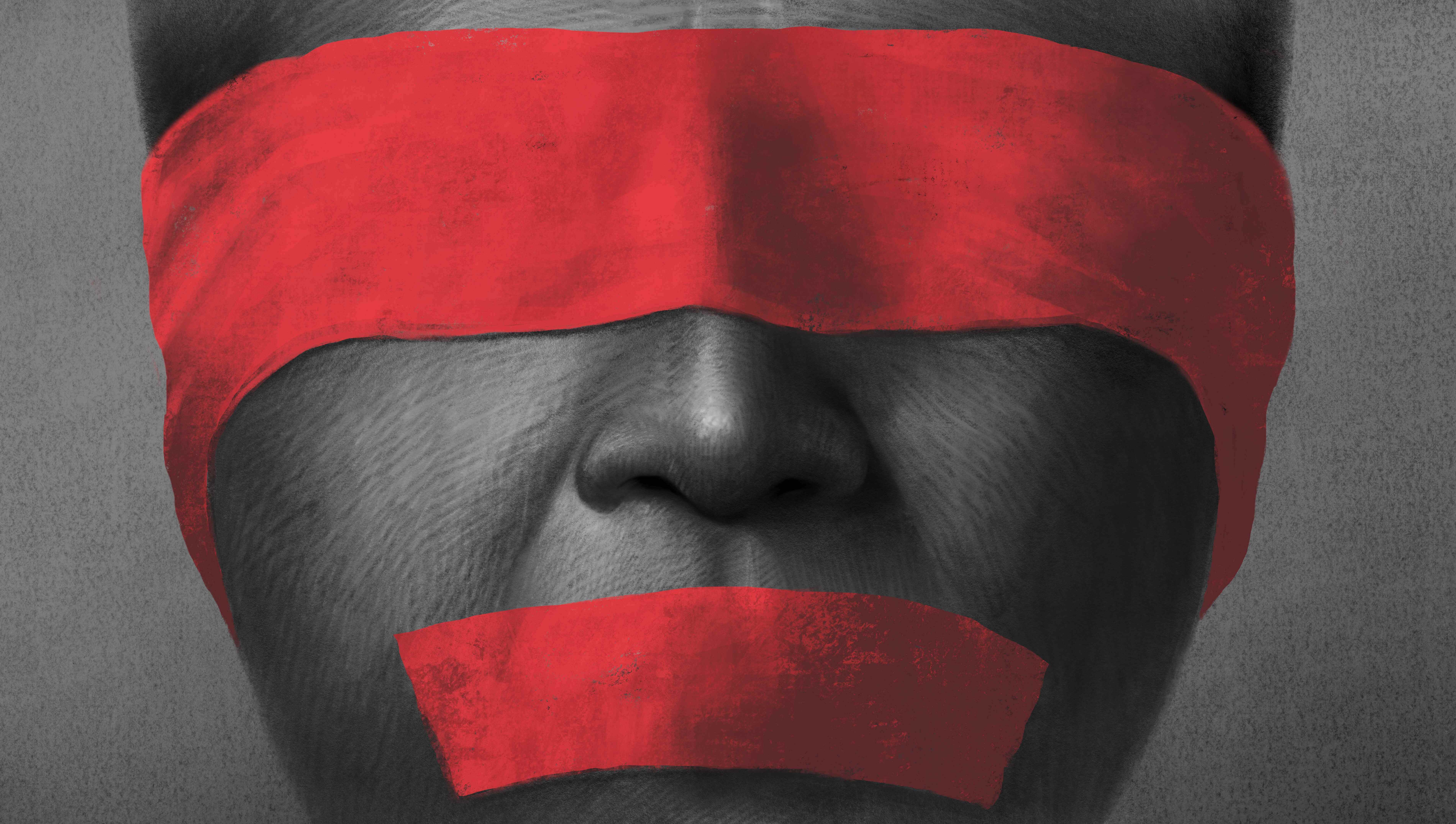
Social media giant Meta is heading to federal court in Oakland on Tuesday for opening arguments in a high-stakes child safety trial that, more than any previous case, poses potentially massive risks for its future.
The challenge from 29 states, including California, argues that the company designed its flagship platforms Instagram and Facebook to hook kids and teens — despite knowing it would lead to health concerns like anxiety, depression and eating disorders — and then downplayed those harms in public. Their case is one of hundreds of ongoing lawsuits accusing Meta, Google, Snap and TikTok of intentionally crafting platforms to get kids addicted.
But unlike previous cases, the bipartisan state prosecutors are seeking penalties of potentially hundreds of billions of dollars, which far exceeds the $942 million total Meta was ordered to pay in a recent New Mexico trial, and the $6 million in damages Meta and Google were ordered to pay in March after a Los Angeles jury found them liable in a landmark personal injury trial. Meta claims the prosecutors have eyed an even higher sum of $1.4 trillion that would dwarf blockbuster settlements in tobacco and opioid addiction cases, though California Attorney General Rob Bonta refutes that number.
If the states win, they’ll have a rare chance to force sweeping design changes to Instagram and Facebook that could decrease kids’ time spent on social media — and, by extension, eat into Meta’s lucrative advertising revenue.
"We're playing with some live ammo here,” said Kyle Jacobs-Morse, deputy executive director of the Tech Oversight Project.
State prosecutors claim that Meta violated multiple federal laws, including the 1998 Children's Online Privacy Protection Act, which prohibits companies from harvesting data from users they know to be under 13. Bonta told CNN Monday that prosecutors haven’t advocated for a specific amount in penalties, insisting that the $1.4 trillion figure is something Meta “is putting out there.”
“Meta designed Facebook and Instagram to keep kids on the platforms longer and longer — to the point of physical and mental harm,” Bonta said Monday in a statement. “We head into trial ready to hold Meta accountable.”
Colorado Democrat Phil Weiser, Kentucky Republican Russell Coleman and New Jersey Democrat Jennifer Davenport are the other state attorneys general co-leading the case with Bonta.
Judge Yvonne Gonzalez Rogers, who presided over a trial between Elon Musk and OpenAI earlier this year, is overseeing the Oakland trial. Jury selection for the six-week trial happened last week.
Meta contends prosecutors are relying on “unsubstantiated” claims to transform a thin case into a public referendum on social media and teen mental health. It claims that the damages sought are “vastly disproportionate” to the alleged harms. And it argues this case is different from the personal injury lawsuits, like the landmark case in March, because prosecutors aren’t representing a single client who can speak to specific instances of personal harm.
“The AGs offer no proof anyone in their states was misled, claim benign features like having an additional Instagram account somehow harmed their residents, and attempt to penalize Meta for industry-wide challenges,” Meta spokesperson Liza Crenshaw said in a statement. “Rather than sticking to the facts or the law, the states have instead decided to chase an outlandish payout.”
Even if Meta wins, it’s not likely to stop the mounting, bipartisan momentum to impose stricter kids’ safety guardrails on social media platforms. Lawmakers in Congress are weighing a number of proposals that would impose new teen privacy and use restrictions.
And from Europe to Asia to Meta’s home state of California, politicians are pushing to ban kids from platforms altogether — or at least prevent them from accessing allegedly addictive features.
“I don't see any backing down whatsoever,” said Assemblymember Josh Lowenthal, who authored a California bill that would bar platforms from offering engagement-maximizing features to teens under 16.
Already, the lawsuits appear to be taking a financial toll on Meta even though most haven’t gone to trial yet. The company reported a 13 percent decline in profits between April and June of this year compared to the same time period in 2025, partly due to $2.4 billion in legal expenses.
Prosecutors, though, have signaled they’re looking beyond the payout. If they win the trial, they’ll have an opportunity to demand youth design changes that Congress and state lawmakers have tried to enact for years. They could force Meta to age-gate personalized feeds, limit notifications during certain hours or restrict engagement-maximizing features like infinite scroll and autoplay.
"If you look back in history and you look at the tobacco fights and such, these attorney general cases are really important,” said Laura Marquez-Garrett, a plaintiff attorney in related private cases. “They have the ability that private plaintiffs typically do not have to actually force these companies, through the court system, to change their business model, their design decisions, all of that."
There’s precedent for those changes now thanks to a recent case in New Mexico where the state’s attorney general, Raúl Torrez, convinced a federal court that Meta’s platforms posed dangers to kids and constituted a “public nuisance.”
The New Mexico court ordered Meta to follow stricter age verification standards, eliminate nighttime push notifications for kids and enforce mandatory limits on how long kids can use Instagram or Facebook for the next five years.
But Ashkhen Kazaryan, a senior legal fellow at the Future of Free Speech think tank at Vanderbilt University, cautioned against what she called a “product meeting in the courtroom.”
“Giving courts and juries' power to design and shape the form of communication online feels very problematic to me,” Kazaryan said. She argued that it would further “balkanize” the internet and force companies to choose between navigating a complex international legal minefield or deactivating certain features for all users, just because of one decision from “a judge in Oakland.”
A version of this story first appeared in California Decoded, POLITICO’s morning newsletter for Pros about how the Golden State is shaping tech policy within its borders and beyond. Like this content? POLITICO Pro subscribers receive it daily. Learn more at www.politicopro.com.
Popular Products
-
 Fake Pregnancy Test
$61.56$30.78 -
 Anti-Slip Safety Handle for Elderly S...
$57.56$28.78 -
 Toe Corrector Orthotics
$41.56$20.78 -
 Waterproof Trauma Medical First Aid Kit
$169.56$84.78 -
 Rescue Zip Stitch Kit
$109.56$54.78