The Parable Of The Cancer Cell
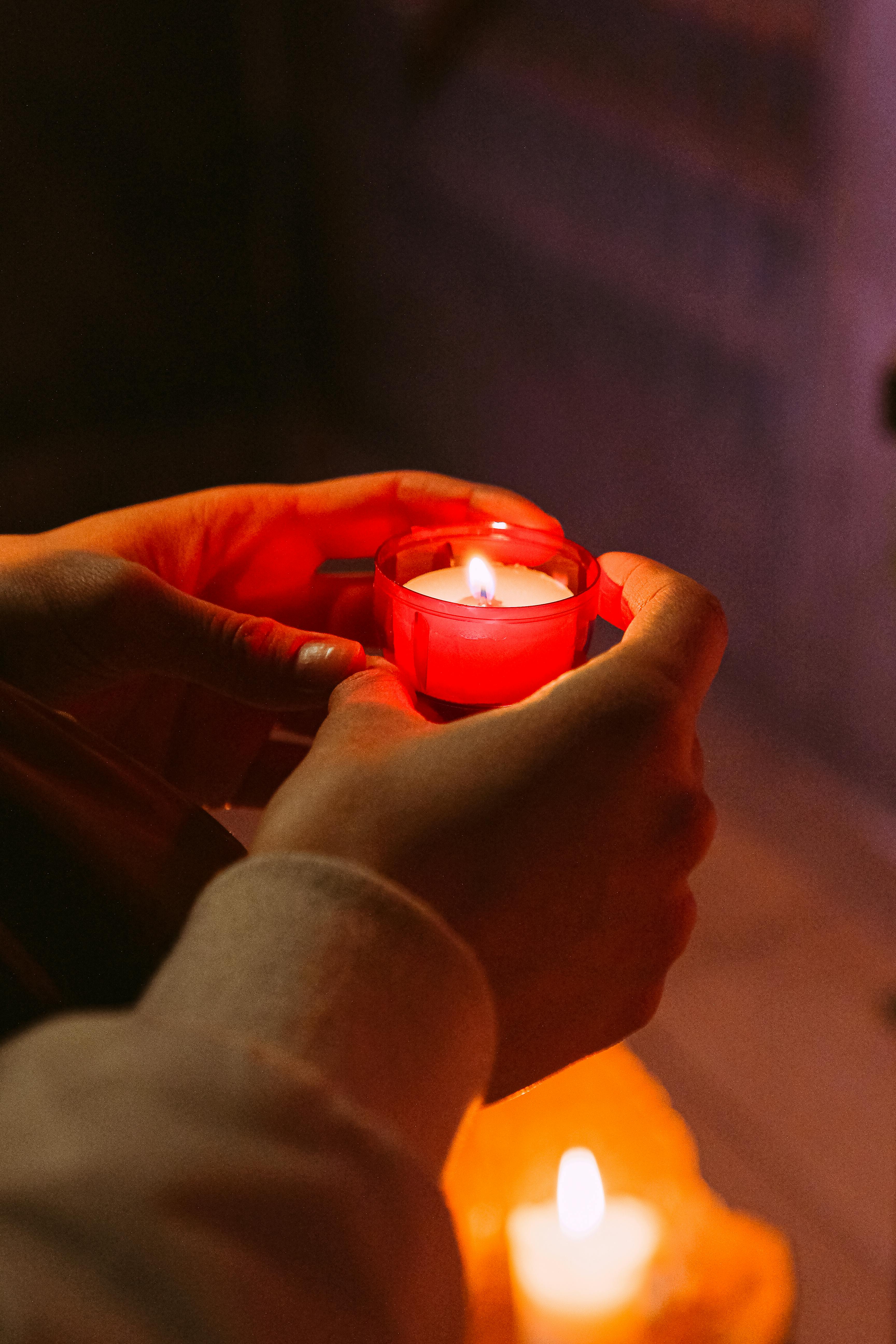
I’m walking through a season of suffering in the form of cancer. My weeks are filled with trips to the hospital, blood draws, and days resting in bed. I’m thankful the cancer is very treatable and the outcome looks good. It has given me a unique opportunity to reflect on how the physical can give us a glimpse into the spiritual.
Throughout the Gospels, Jesus often teaches in parables. Deeply important spiritual truths can be hard to press into our hearts, so our Lord graciously gives us physical reminders and stories through our daily experiences to drive these truths home. Over the past few months, I’ve been learning that cancer is a remarkable parable for sin, in both its disastrous nature and its available cure.
Quiet, Unremarkable Start
At the start, cancer is quiet. Just a single little cell not listening to your body’s cue to stop growing. Just a few small mutations in your DNA. Cancer doesn’t begin in glaring and noticeable ways. At those earliest stages, it’s almost impossible to predict how it can wreak havoc on a body. But cancer, left to grow on its own, will take over an organ and then the rest of the body, resulting in complete destruction.
Similarly, sin often starts small. Even big, egregious sins—sins at which we marvel how anyone could do that—start small. Just one Google search. Just one text. Just one thought. It isn’t much, a small deviation. However, sin, when left to grow on its own, does what cancer does; it grows to produce devastating outcomes. It takes and takes and takes, never wanting to relinquish its grasp on the ground in your heart that it has gained.
Even sins that we would never initially imagine as huge and life-dominating will eventually creep in and take over our hearts and minds. A thought about prioritizing “me time” over caring for others becomes selfishness and narcissism. A thoughtless angry word turns into bitterness and broken relationships. Sin will never stay small. Sin is a disease whose beginnings are even more insidious and deceptive than those first small, body-killing cancer cells.
Grueling Fight
The cure for cancer often feels more harsh than the disease itself. I’ve quickly come to dread the infusion days when I get my chemotherapy. While I know this is the medicine I need to fight this disease, I also know the weeks ahead will be grueling. The fatigue and other side effects almost make me prefer the days when I was blissfully unaware of what was going on in my body, before the cancer diagnosis and the harsh treatment began.
A thoughtless angry word turns into bitterness and broken relationships. Sin will never stay small.
When sin has taken deep roots, it’s hard work to untangle them. The discomfort of self-examination, the coming to grips with the ugliness of your own sin, and the work of repentance is often exhausting. It’s easy to wish you didn’t see your sin for what it is and to stop the fight of daily dying to self.
However, fighting sin is what we’re called to. J. C. Ryle says that “the true Christian hates sin, flees from it, fights against it, considers it his greatest plague, resents the burden of its presence, mourns when he falls under its influence, and longs to be completely delivered from it.”
We’re to see our sin as one of our greatest enemies and treat it accordingly. Similar to the surgery often prescribed during cancer treatment, Jesus prescribes spiritual surgery to rid ourselves of sin: “If your right eye causes you to sin, tear it out and throw it away. For it is better that you lose one of your members than that your whole body be thrown into hell” (Matt. 5:29). Dying to sin involves dying, and dying cannot be a painless process. It’s bloody work to take our sin to the cross.
Cure Provided, Not Procured
Yet, when it comes to both sin and cancer, the struggle is evidence that the cure has already been administered.
Every three weeks, my husband and I kiss our kids goodbye for the morning and head off to the hospital. I sit in a chair for the day, receiving through an IV the bitter medicine that does the work of killing off those destructive cells. It’s a passive process for me: The nurse connects the IV to the port, hooks up the bags of chemotherapy drugs, and even grabs snacks and warm blankets for me while I wait.
So too, before we understand the depths of our sin or even want to fight it, we have a cure administered to our hearts. The cross, first and foremost, is the medicine that eradicates the cancer of sin in our hearts. The gospel diagnoses and cures what ails us most, and it’s what enables us to begin the work of daily dying to self. Jesus’s blood-bought grace is what brings dead hearts to life and gives us power to fight sin.
Just as I can’t administer chemo or kill cancer myself, we cannot fight our sin through trying to fix bad habits or willing ourselves to stop. The cure comes from something we cannot procure on our own but cannot live without.
Bitter Before Sweet
My family has recently been reading a children’s version of The Pilgrim’s Progress during our family worship. One refrain in the book is that “the bitter must come before the sweet.” Our journey through chemotherapy has given us a small picture of this.
The weeks feel long as fatigue settles in and climbing the staircase for goodnight kisses feels like a trek up a mountain. There are many missed days of playing and much grief over lost plans. But the bitterness makes the good days that much sweeter.
The cross, first and foremost, is the medicine that eradicates the cancer of sin in our hearts.
On the days when I’m feeling better, the mundane work of making dinner and caring for our kids is a joyful delight instead of a laborious task. And we look even more forward to the days when we can say this fight with cancer is over.
In a similar way, as we fight our sin, we get glimpses of victory to enjoy, even as we look forward to our final reward. As we go through the bitter work of fighting our sin, there are times when our hearts and minds are being recalibrated to the gospel, and we’re able to say no more easily than before. The sweetness of seeing those steps, even as we still fight, is precious; they’re hard-won victories.
We should savor what God has done for us. And as we keep fighting, we look forward to the time ahead when we can say with the psalmist,
The LORD has done great things for us; we are glad. . . .
Those who sow in tears shall reap with shouts of joy!
He who goes out weeping, bearing the seed for sowing,
shall come home with shouts of joy, bringing his sheaves with him. (Ps. 126:3, 5–6)
Someday the treatment will be done, the disease will be defeated, and we’ll enjoy our eternal rest.
Popular Products
-
 Classic Oversized Teddy Bear
$23.78 -
 Gem's Ballet Natural Garnet Gemstone ...
$171.56$85.78 -
 Butt Lifting Body Shaper Shorts
$95.56$47.78 -
 Slimming Waist Trainer & Thigh Trimmer
$67.56$33.78 -
 Realistic Fake Poop Prank Toys
$99.56$49.78