The Role Of Gratitude In Mental Health: An Islamic Perspective
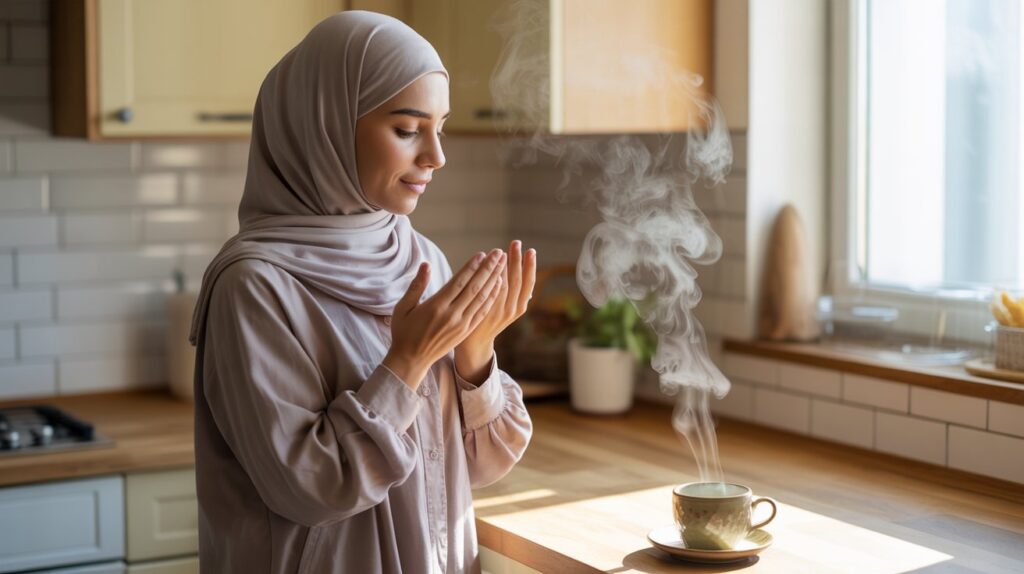
The world is full of distractions and challenges, and many people struggle to maintain inner peace and emotional balance. Feelings of emptiness, stress, and dissatisfaction often arise when life seems overwhelming or when gratitude is forgotten.
In Islam, gratitude is not just an expression of thanks; it is a way of life. It shapes how we view our blessings, our hardships, and our connection with Allah (SWT). Through gratitude, a believer learns to see beyond difficulties and discover peace in every moment. Embracing this mindset not only strengthens faith but also nurtures mental well-being, helping Muslims find harmony between the heart, mind, and soul.
Let’s explore the role of gratitude in mental health from an Islamic perspective and how adopting a grateful mindset can positively impact emotional and psychological well-being.
Understanding Gratitude in Islam
Gratitude, or Shukr, is a central concept in Islam. The Qur’an and Hadith encourage Muslims to be thankful for the countless blessings Allah (SWT) bestows upon them, both big and small. Gratitude in Islam is not just about expressing thanks; it’s about acknowledging Allah’s gifts and recognizing that every moment and every blessing is from Him.
The Qur’an and Gratitude
In the Qur’an, Allah frequently reminds believers of the importance of gratitude. Allah says:
وَإِذْ تَأَذَّنَ رَبُّكُمْ لَئِن شَكَرْتُمْ لَأَزِيدَنَّكُمْ ۖ وَلَئِن كَفَرْتُمْ إِنَّ عَذَابِي لَشَدِيدٌ
“If you are grateful, I will surely increase your favor upon you.” (Qur’an, 14:7)
This verse highlights the reciprocal relationship between gratitude and divine blessings. When we are grateful for what Allah has given us, He increases our blessings. This teaches us that gratitude is not just an emotional state, but also an act that brings spiritual and material rewards.
Furthermore, the Qur’an emphasizes the necessity of being thankful even in difficult times:
وَإِذْ تَأَذَّنَ رَبُّكُمْ لَئِن شَكَرْتُمْ لَأَزِيدَنَّكُمْ وَلَئِن كَفَرْتُمْ إِنَّ عَذَابِي لَشَدِيدٌ
_”And [remember] when your Lord proclaimed: ‘If you give thanks [by accepting gratitude], I will give you more; but if you are thankless [i.e., ungrateful], verily My punishment is indeed severe.'”* (Qur’an, 14:7)
The connection between gratitude and mental health is evident in this verse, which reminds us that gratitude has a direct influence on our overall well-being and spiritual state.
The Role of Gratitude in the Sunnah
The teachings of Prophet Muhammad (PBUH) further emphasize the significance of gratitude. He said:
“He who does not thank people, does not thank Allah.” (Tirmidhi)
This hadith teaches us that gratitude is not limited to Allah alone, but it extends to our relationships with others. Expressing thanks to people, whether for a favor, a kind word, or a simple act of generosity, is an essential part of living a grateful life in Islam.
Gratitude and Mental Health: The Psychological Benefits
Gratitude is not only beneficial from a spiritual standpoint but also plays a critical role in improving mental health. Research in positive psychology has shown that regular practice of gratitude leads to improved emotional well-being, decreased stress levels, and a more optimistic outlook on life. Here are some key psychological benefits of gratitude:
1. Enhancing Positive Emotions
One of the most significant benefits of gratitude is its ability to increase positive emotions. When we focus on the things we are thankful for, we shift our attention away from negative thoughts, worries, and complaints. This shift in focus naturally improves our mood and emotional state.
Islam teaches that a grateful heart is a peaceful heart. The Prophet Muhammad (PBUH) said:
“Whoever wakes up in the morning and is safe in his property, healthy in his body, and has food for the day, it is as if he has gained the whole world.” (Tirmidhi)
This hadith reminds us that even the smallest blessings, such as safety, health, and sustenance, are worth being grateful for. Cultivating gratitude for these everyday blessings can help us feel more positive and content.
2. Reducing Stress and Anxiety
Gratitude has been shown to reduce feelings of anxiety and stress. By focusing on the positive aspects of life, gratitude helps to counterbalance the negative thoughts that often fuel anxiety. This practice aligns with the Islamic view of trusting Allah and seeking contentment with His will.
Allah (SWT) says in the Qur’an:
إِنَّ مَعَ الْعُسْرِ يُسْرًا
“Indeed, with hardship comes ease.” (Qur’an, 94:6)
This verse reminds us that trials and difficulties are temporary, and they will eventually pass. By practicing gratitude during challenging times, we can shift our focus from what is difficult to what we have, which can reduce feelings of stress and promote a sense of inner peace.
3. Promoting a Sense of Contentment
In Islam, gratitude is directly linked to contentment (Qana’ah). By being thankful for what we have, we learn to be satisfied with Allah’s decree. Contentment is a key element in achieving mental peace and emotional stability. When we stop constantly seeking more or comparing ourselves to others, we find peace in accepting what Allah has provided.
The Prophet Muhammad (PBUH) said:
“How wonderful is the case of the believer! There is good for him in everything, and this applies to no one but the believer. If he experiences ease, he is grateful and that is good for him, and if he experiences hardship, he is patient and that is better for him.” (Sahih Muslim)
This hadith reflects the balance between gratitude and patience, two traits that work hand in hand to help maintain mental health.
Practical Steps to Cultivate Gratitude in Daily Life
To reap the psychological and spiritual benefits of gratitude, Muslims can integrate gratitude practices into their daily routines. Here are some practical steps to make gratitude a regular part of your life:
1. Daily Reflection
Take a few minutes every day to reflect on the things you are grateful for. It could be in the form of a morning or evening routine where you make a mental note of at least three things that bring you joy or peace.
2. Keep a Gratitude Journal
Write down your thoughts of gratitude in a journal. This can help you stay focused on the positive aspects of your life and allow you to track how your perspective on life changes over time.
3. Make Dua (Supplication)
Regularly make dua to Allah, thanking Him for His blessings and asking for guidance. In your supplications, acknowledge the gifts you’ve received and express your gratitude.
4. Express Gratitude to Others
As the Prophet Muhammad (PBUH) emphasized, expressing gratitude to others is just as important as being grateful to Allah. Take the time to thank people who have helped you, whether it’s a family member, a friend, or even a stranger who performed a kind act.
5. Practice Patience During Difficult Times
During difficult moments, remind yourself of the countless blessings Allah has provided. Reflect on how past challenges were overcome, and practice patience, trusting that ease will come with hardship.
The Power of Gratitude in Strengthening Mental Health
Gratitude is a cornerstone of mental health in Islam. It fosters positive emotions, reduces stress, promotes contentment, and strengthens our connection with Allah (SWT). By integrating gratitude into our daily lives, Muslims can improve their mental health while also drawing closer to their Creator.
Whether in moments of joy or hardship, practicing gratitude transforms the way we experience life. It cultivates a peaceful heart, contented soul, and a profound sense of well-being. May Allah help us develop hearts full of gratitude, constantly mindful of His blessings, and patient through His trials.
Embracing Gratitude as a Path to Inner Peace and Faith
If you’re looking for more guidance on incorporating Islamic principles like gratitude into your mental health journey, reach out to our coaching services. Together, we can explore ways to build a life full of peace, joy, and connection with Allah.
The post The Role of Gratitude in Mental Health: An Islamic Perspective appeared first on Ihsan Coaching.
Popular Products
-
 Classic Oversized Teddy Bear
$23.78 -
 Gem's Ballet Natural Garnet Gemstone ...
$171.56$85.78 -
 Butt Lifting Body Shaper Shorts
$95.56$47.78 -
 Slimming Waist Trainer & Thigh Trimmer
$67.56$33.78 -
 Realistic Fake Poop Prank Toys
$99.56$49.78