Defining The New Category Of Movement Longevity
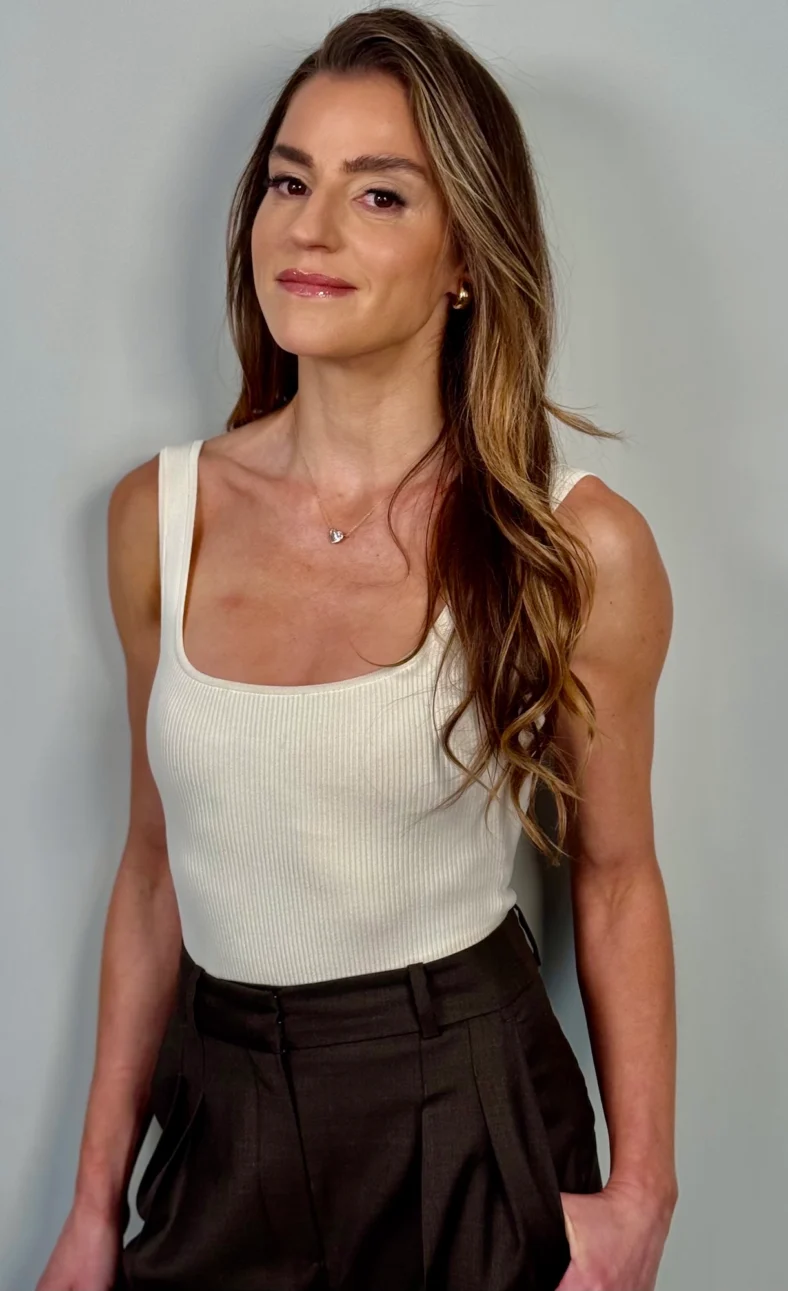
PVOLVE’s Jill Brand explains why movement isn’t just part of healthy aging — it’s the foundation for living well throughout life.
The longevity conversation has never been louder. Consumers are increasingly focused on living longer, healthier lives, fueling demand for everything from recovery to nutrition, sleep optimization and preventative healthcare.
PVOLVE believes one critical element deserves its own place in that conversation and is introducing what it calls “movement longevity” — the idea that the body’s ability to move well, adapt and meet life’s physical demands is a foundational component of healthy aging.
Supported by clinical research and built around a methodology that integrates strength, mobility and stability, PVOLVE is helping define movement longevity as an emerging category within the broader longevity market.
Athletech News spoke with Jill Brand, Head of Brand at PVOLVE, about why movement deserves a more prominent role in the longevity conversation, how the company is defining movement longevity and why the future of fitness extends well beyond traditional measures like calories burned or pounds lost.
Athletech News (ATN): Why does movement belong at the center of longevity?
Jill Brand (JB): At its core, movement is life. We only get one body, and its ability to remain strong, mobile and resilient shapes how we experience every stage of it.
What’s encouraging is that we’re finally seeing movement, muscle health and strength become central to the longevity conversation. More physicians, researchers and functional medicine practitioners are recognizing something fitness professionals have understood for decades: maintaining muscle isn’t simply about performance or aesthetics, it’s one of the strongest predictors of long-term health and independence.
If our goal is to help people live well for longer, movement has to sit at the center of that conversation.
ATN: What makes movement longevity fundamentally different from other fitness methodologies?
JB: Movement longevity is your body’s ability to perform, adapt and meet life’s physical demands — not just today, but over the course of a lifetime.
Life doesn’t happen in straight lines. Every day we’re reaching, twisting, carrying groceries, lifting children, climbing stairs, getting on and off the floor. Those movements require strength, mobility and stability working together, yet traditional fitness has often treated them as separate goals.
Our methodology was built around a different philosophy. We believe our capacity to move well can continue to grow throughout our lives. When people intentionally build strength, mobility and stability together, they’re not simply exercising, they’re investing in their ability to keep doing the things they love in the bodies they have.
ATN: Rather than competing within an existing category, PVOLVE is defining a new one. Why was that important?
JB: We believe fitness has undersold what it’s capable of delivering.
For years the industry has largely measured success by calories burned or the way our bodies look. Those outcomes can absolutely matter, but they’re only part of the equation.
We believe movement has the potential to do much more. It can help people function with greater confidence, recover more effectively, reduce injury risk and continue participating in the activities that bring meaning to their lives.
That’s why movement longevity isn’t simply a marketing term for us. It’s a different way of thinking about the role fitness plays in long-term health. We’ve built a methodology that intentionally combines strength, mobility and stability into a system that’s clinically validated, highly repeatable and designed for real life, not just the gym.
ATN: You’re bringing that philosophy to consumers through studios, digital programming and a growing franchise network. Why is it resonating right now?
JB: I think today’s consumer is simply more informed than they’ve ever been.
People understand that the most effective workout isn’t necessarily the one that leaves them completely exhausted. They’re looking for programming that’s intentional, biomechanically sound and supported by evidence.
At the same time, they’re looking for flexibility. Some people want the convenience of working out at home, while others thrive in a studio environment built around coaching and community. We believe both experiences have an important role to play because community itself is an important contributor to long-term wellness.
As consumers become more educated about longevity, they’re naturally gravitating toward fitness experiences that are thoughtful, sustainable and grounded in science.
ATN: Clinical research has become an important differentiator for PVOLVE. How has it influenced the brand?
JB: I actually think about it less as influencing our methodology and more as validating it.
Every fitness brand talks about results. We wanted to hold ourselves to a higher standard by asking an independent question: Can we objectively demonstrate that our methodology delivers what we believe it does?
The answer is yes.
Our clinical studies have produced measurable outcomes that validate what our members have been telling us for years. That level of research isn’t easy. It requires scientific expertise, significant investment and a willingness to let the evidence speak for itself. We believe consumers deserve that level of confidence.
ATN: Consumers are hearing more than ever about muscle health, mobility and healthy aging. How does PVOLVE turn those concepts into something people can realistically sustain?
JB: That’s really the foundation of everything we do.
Every class is intentionally built around strength, mobility and stability because we don’t believe those qualities should be trained independently. They work together in everyday life, so they should work together in training.
Strength training, in particular, is incredibly important as we age, and especially for women. We’ve embraced progressive loading for years because we recognize how essential muscle is to long-term health.
What’s unique about our approach is that strength doesn’t happen in isolation. You’ll see people lifting heavier weights while balancing, rotating and moving through multiple planes of motion. They’re building strength, but they’re also teaching their bodies how to move more effectively under a load. That’s powerful training.
ATN: Fitness has traditionally measured success through calories burned, pounds lost and personal records. What does success look like in the era of movement longevity?
JB: Those metrics still matter. Healthy body composition matters. Building strength matters. Setting personal goals matters.
The opportunity is to broaden the definition of success.
Success also looks like maintaining muscle as we age, moving without pain, improving balance, preserving mobility and continuing to do the things we love with the people we love.
It’s not about replacing traditional fitness goals. It’s about recognizing that the greatest outcome fitness can deliver is helping people continue living fully for as long as possible.
ATN: Five years from now, what do you hope people think of when they hear the term “movement longevity?”
JB: I hope they immediately understand what it means, and I hope they immediately associate it with PVOLVE.
Our ambition is to help define this category because we genuinely believe movement deserves a more prominent place within the longevity conversation. If, five years from now, movement longevity has become part of the way people think about healthspan I think we’ll have accomplished something meaningful.
More from ATN
- Just Released: The Business of Wellness, Recovery & Longevity explores the trends and business models driving this rapidly expanding market.
- Barry’s Slammed for Alleged Instructor Non-Compete, Signaling Looming Labor Issue in Fitness
- Planet Fitness Became America’s Top Gym by Doing Less. Can It Stay That Way?
- Want the industry edge? Join ATN Pro for unlimited access, exclusive analysis and event perks.
Popular Products
-
 Photochromic UV400 Sports Glasses
$78.99$54.78 -
 Hip Trainer with 39 Gears
$98.99$68.78 -
 Arm Resistance Bands for Baseball & S...
$64.99$44.78 -
 Portable Badminton Set with Bag & 3 B...
$64.99$44.78 -
 Soft Practice Balls - Indoor Outdoor
$37.99$25.78