How To Break 5.0: The 5 Pickleball Shots You Must Master Before 2026
The game is faster, more aggressive, and more competitive than it was even a year ago. If you're looking to level up in 2026, these five shots are non-negotiable.
The pickleball world moves fast. Really fast. And if you're not keeping pace with how the game is evolving, you're going to find yourself left behind on the court.
That's the core message from Tanner Tomassi, who just released a comprehensive breakdown of the five essential shots every player needs to master heading into 2026.
Love pickleball? Then you'll love our free newsletter. We send the latest news, tips, and highlights for free each Monday, Wednesday, and Friday.
The video cuts through the noise and identifies the specific skills that separate competitive players from those still figuring things out.
It's not about flashy highlights or trick shots. It's about the fundamentals that actually win matches.
1. Drive-Drop Combo: The Offensive Third Shot Strategy
Let's start with something that might feel counterintuitive. Most players default to hitting third shot drops because, well, it's the safe play. But Tanner argues that's actually holding you back.
The drive-drop combo works because it gives you two distinct advantages.
- First, when you're hitting third shot drives at your opponent, they might make an error and hit the ball into the net, giving you a free point. That's an offensive way to get to the kitchen line, something a pure drop shot can't accomplish.
If you're only hitting drops, your opponents will rarely miss them. All you're doing is helping them get to the line without any real pressure.
- Second, and this is where it gets practical, if your opponent is hitting strong returns and you're forced to hit your third shot off your back foot, it's incredibly difficult to hit an accurate drop. But driving that first ball? That's much easier.
You're essentially giving yourself a softer ball to drop on the next shot. It's like setting yourself up for success rather than hoping for the best.
2. Return of Serve: Applying Pressure From the Baseline
Here's the thing about returns of serve: most players are doing it wrong. They either stand and hit, then run (arriving too late to the kitchen), or they run through their shot and lose all control and power.
The key is combining both approaches. As the ball comes to you, use your first step and time it with your swing to generate momentum and stability. This lets you hit a strong return while still getting to the kitchen line efficiently. It sounds simple, but the execution matters.
When you're cranking returns and your opponents are stuck at the baseline with a hot ball coming at them, they're forced into difficult decisions. They might resort to drive-and-drop combinations just to survive.
Meanwhile, if you're hitting short, lofty returns, your opponent can either tee off and rip it or hit aggressive roll drops that catch you off guard. The aggressive return is the pressure play.

3. Handling Drives: Positioning Over Timing
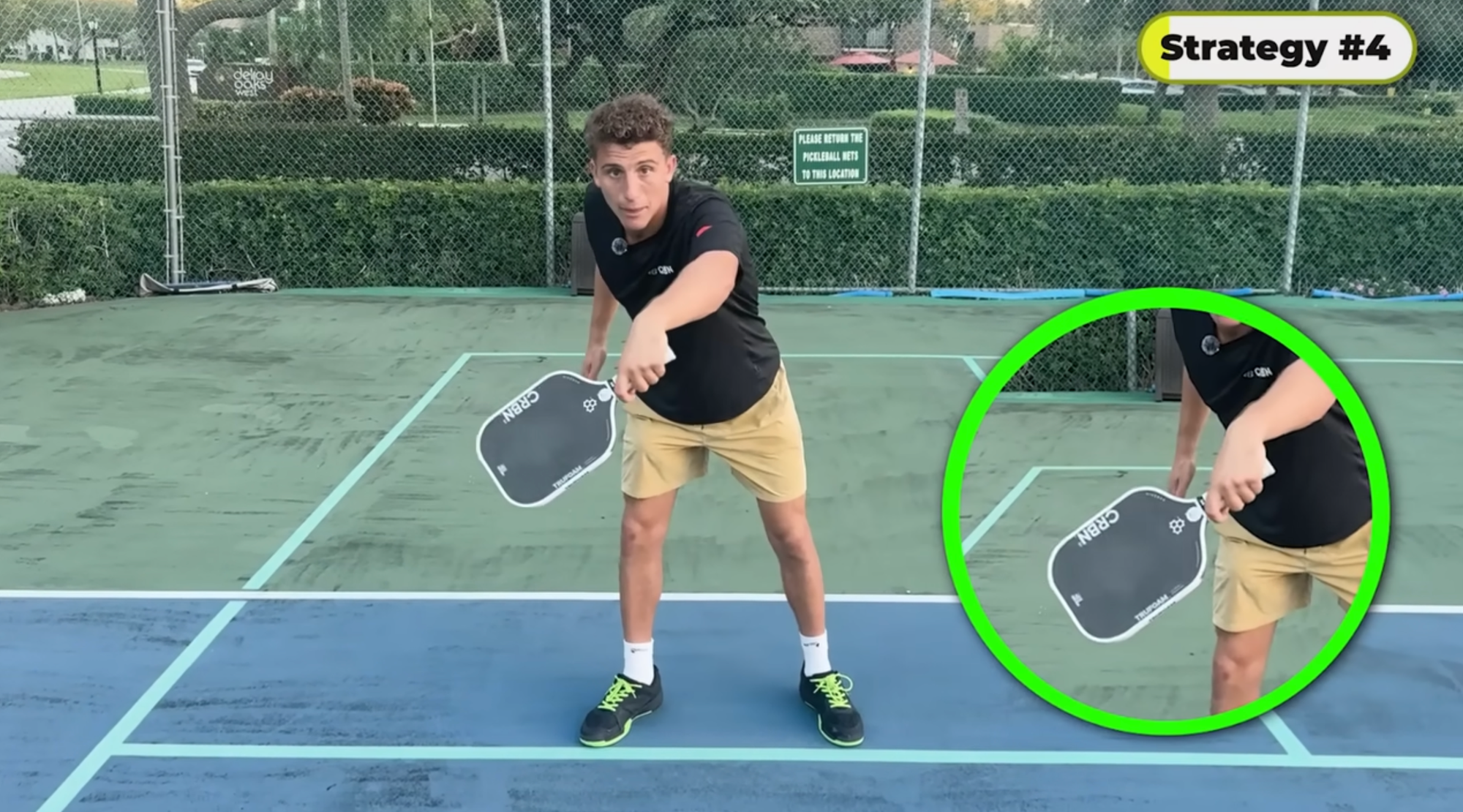
This is where a lot of intermediate players struggle. When your opponent winds up and smashes a drive at you at the kitchen line, the instinct is to start with your paddle close to your body and reach out to extend to the ball.
The problem? If your timing is even slightly off, you're hitting it into the net or long.
The proper technique flips this on its head.
- When you see your opponent lining up to drive, position your paddle out in front of you, not close to your body
- Now when the ball comes at you, all you have to do is track and make contact
- There's no timing component that can go wrong; you're reacting to the ball rather than trying to predict it
This shift from timing-dependent to position-dependent is huge. It removes a variable that can sabotage you, especially in high-pressure moments.

4. Speeding Balls Up: The Three-Rule Framework
Speeding up balls off the bounce is an investment in controlling the pace of the match. If you never speed up, your opponent feels no pressure. They lean in, get comfortable, and wait to attack.
But if you establish early that you're willing to speed up, they're thinking about it the entire match.
At 8-8 or 10-8 in a tight match, that hesitation can lead to mistakes.
But here's where most players go wrong: they speed up everything. Tanner breaks this down into three specific rules.
Rule one
Only speed up balls that are out wide on the court. When the ball is bouncing out wide, you have multiple options: down the line, through the middle, or aggressive crosscourt dinks. Your opponent has to cover more ground. If you're in the middle of the court speeding up, you can only go straight ahead or straight across. Your opponent has less to cover, which defeats the purpose.
Rule two
Choose a specific target on your opponent. Don't just speed up mindlessly. Target the chicken wing (paddle side shoulder), the paddle side hip, or extended backhand positions. Each creates different problems for your opponent.
Rule three
Treat the speed up like the first punch in a boxing combination. It's the setup, not the finisher. After you speed the ball up, you need to be instantly ready to put the next ball away. Never get caught off guard.

5. Fast Hands: Wrist Snap Over Shoulder Push
The final skill is having quick, reactive hands at the net.
As pickleball gets faster and opponents attack more, you need to be confident and quick or you'll get bullied all match.
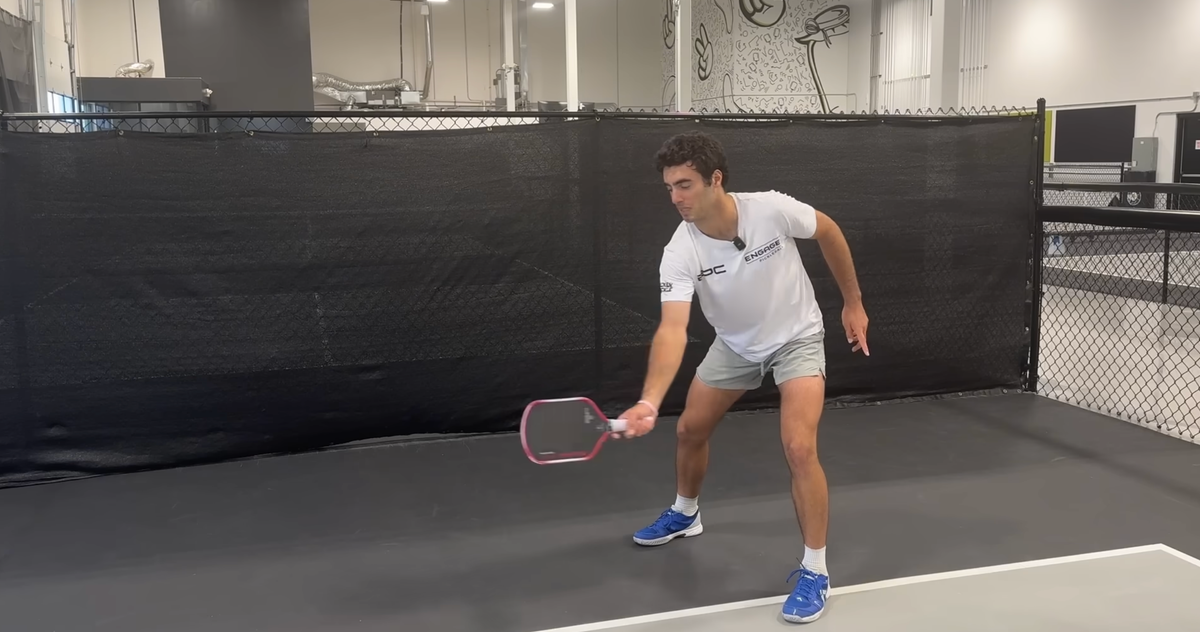
The foundation is keeping your feet and base completely still. Don't shuffle around with happy feet; that slows you down. Instead, maintain a stable base and react only with your arm, like you're balancing a plate of food on your head.
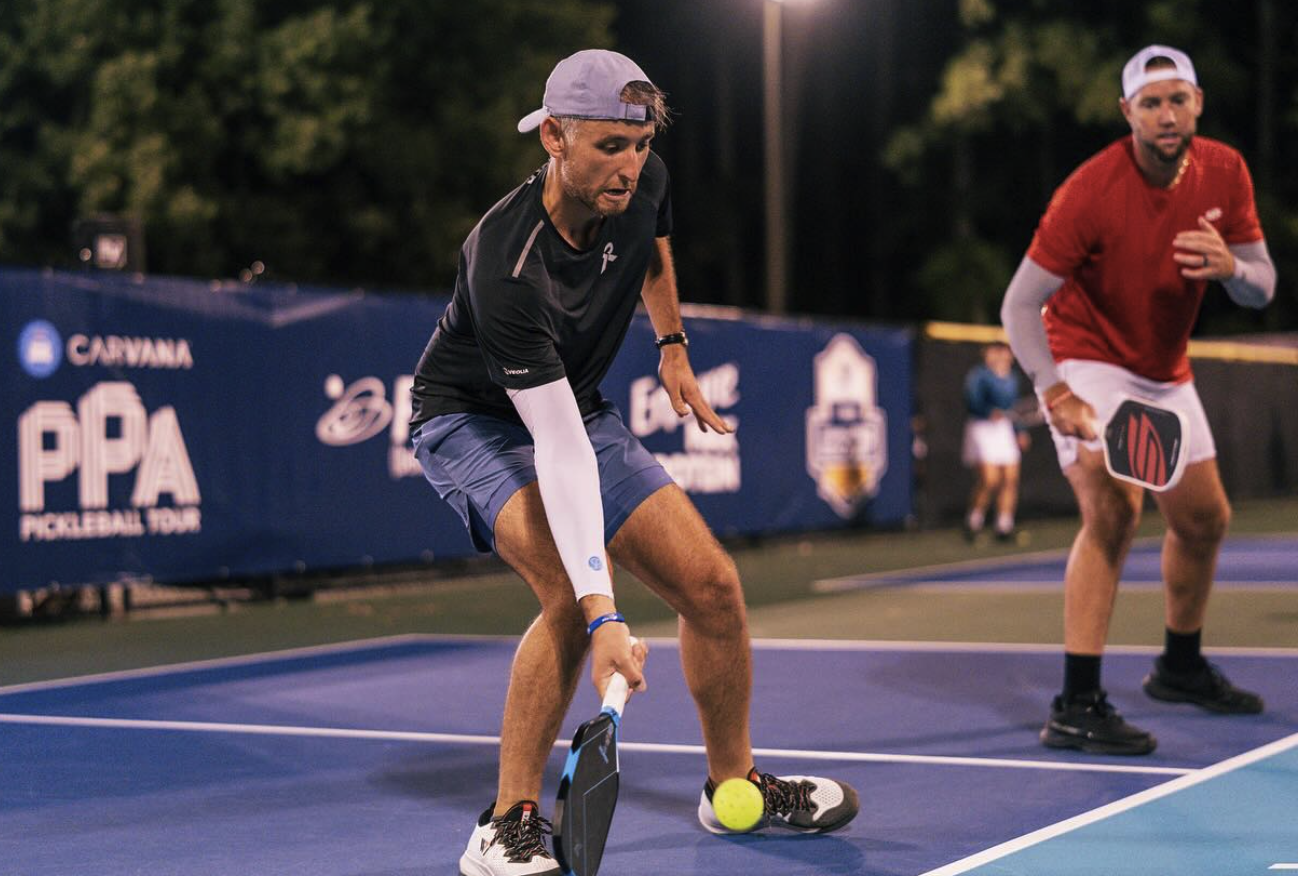
The final piece is actually counterintuitive. Instead of trying to blow a hole through your opponent's chest, take a little pace off and aim for their knees. When they're forced to hit up, you get an easier next ball to put away. You're fighting for the low ground in the exchange, which is where the advantage lives.

The Bigger Picture: Adaptation Is Everything
What ties these five shots together isn't just technical skill. It's the philosophy that pickleball is constantly evolving, and players who don't adapt get left behind. The game is faster, more aggressive, and more competitive than it was even a year ago.
Tanner's breakdown emphasizes that these aren't advanced tricks for 5.0 players. These are foundational skills that separate players who are serious about improvement from those just hitting around. Whether you're climbing from 3.5 to 4.0 or pushing toward 5.0, these five shots are non-negotiable.
If you're looking to level up your game before 2026, it's worth the 11-minute investment.
Popular Products
-
 Photochromic UV400 Sports Glasses
$78.99$54.78 -
 Hip Trainer with 39 Gears
$98.99$68.78 -
 Arm Resistance Bands for Baseball & S...
$64.99$44.78 -
 Portable Badminton Set with Bag & 3 B...
$64.99$44.78 -
 Soft Practice Balls - Indoor Outdoor
$37.99$25.78