New ‘living Lab’ Experiment Tests Whether Wellness Retreats Actually Work
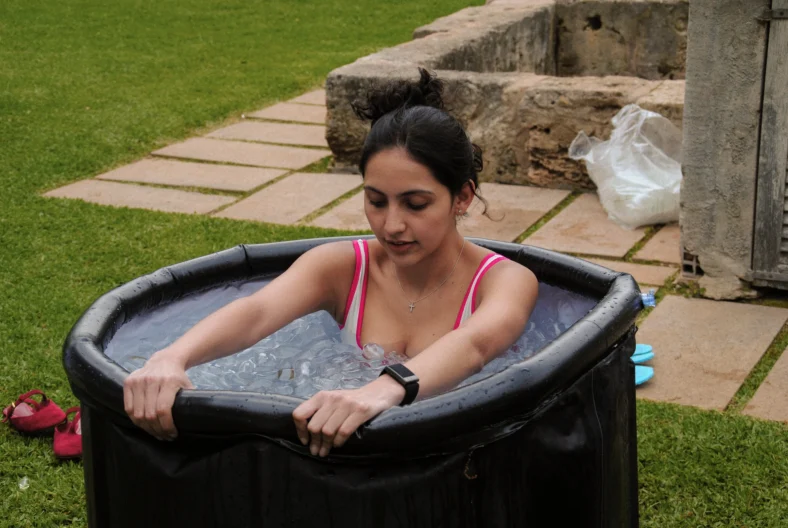
During a four-day retreat, Spain-based Slow had attendees wear Whoop trackers, test their blood biomarkers and more to evaluate whether wellness getaways can produce measurable changes in well-being
People embark on wellness retreats in hopes of resetting, returning home with a greater sense of rejuvenation, calmness and the assurance they supported their overall health and well-being.
But the promises of wellness retreats are one thing, and tangible results are another. That’s why Spain-based company Slow crafted a four-day experiment in Mallorca to put to the test whether a wellness retreat can shift anything measurable.
The 10-person longevity program, co-created with preventive medicine specialist Dr. Ángel Durántez, brought together a group of high performers — founders, executives and creatives — to operate as a “living lab.”
Over four days, attendees participated in various wellness activities and practices, including:
- Sunrise breathwork and meditation meant to align the circadian rhythm through natural light exposure
- Cold immersion and guided cryotherapy
- Movement sessions, hiking and restorative practices for physical regulation
- A Mediterranean anti-inflammatory diet.
Throughout the retreat and in the week leading up to it, participants wore Whoop bands to compare their regular day-to-day metrics with those during their four days in Mallorca. The wearables tracked sleep duration and stages, recovery score, HRV, resting heart rate and strain.
On top of that, each participant received blood biomarker tests upon arrival and at the end of the retreat, with a focus on fasting glucose/HbA1c and cortisol.
As the retreat industry markets transformational experiences, Slow aimed to see how those outcomes actually measured up to such promises. Here’s what they found.
For 80% of the attendees, cortisol levels dropped by an average of 8.4%. The organizers also tasked participants to self-report their baseline levels across a variety of measurements, including perceived stress and energy.
Across the board, attendees saw improvements, especially for certain metrics:
- 83% said energy levels improved
- 83% reported decreased body tension
- 67% had improved sleep quality
- 67% felt heightened mental clarity
- 50% felt they were better equipped to “switch off” their minds
- 17% reported lower stress and a heightened sense of calm.
While the Slow retreat may not exemplify all wellness retreats out there, nor long-term impacts, the results do reflect an immediate impact on key markers of health, especially with how intertwined stress is with chronic inflammation that leads to serious illness.
The experiment arrives as wellness tourism and real estate are taking off. More brands are unveiling their own wellness-oriented upgrades and programs, like SHA Wellness or Marriott’s latest investment in luxury wellness — creating a competitive market for the growing population looking to unplug and decompress.
Meanwhile, the wellness real estate market is exploding, too, projected to more than double to $1.8 trillion by 2030. Developers are tapping into trends like an in-person connection and communal spaces like pickleball and padel courts, abandoning screens for “analog wellness” and embracing mindful meditation and soundbaths to boost mental well-being.
Popular Products
-
 Portable Golf Scorecard Counter with ...
$37.99$25.78 -
 Magnetic Golf Ball Marker Hat Clip wi...
$31.99$21.78 -
 MagSafe Magnetic Phone Mount Clip for...
$40.99$27.78 -
 Portable Folding Outdoor Stool with 6...
$88.99$40.78 -
 Foldable Golf Push Cart with Foot Bra...
$463.99$42.78