Noom Launches Weight-loss Wearable
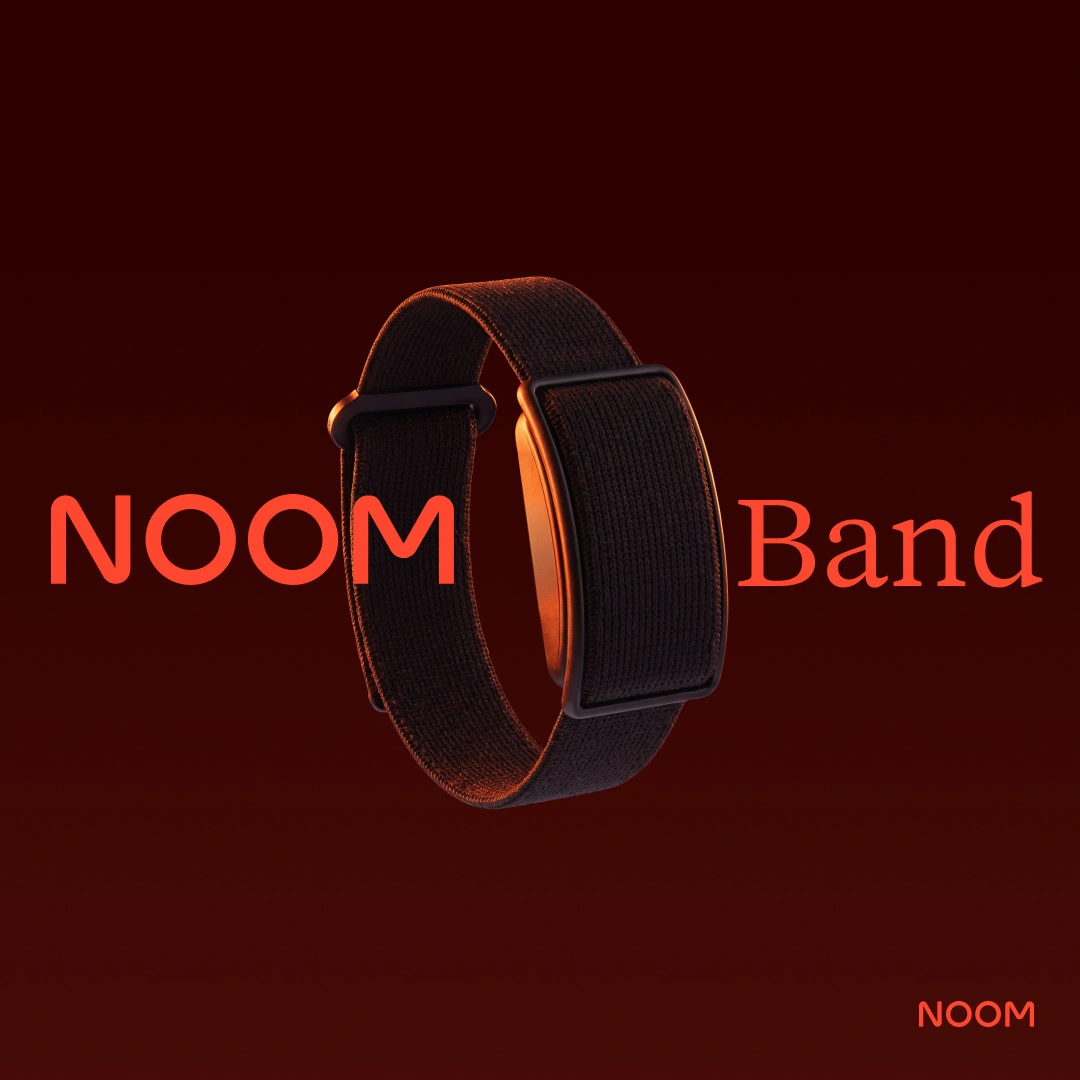
As employers rethink GLP-1 coverage amid rising health care costs, Noom is adding its own wearable for enterprise clients
Noom is adding a wearable to its behavior-change approach to weight loss.
Starting early next year, the telehealth company will roll out the screenless Noom Band to Noom Health employer and health plan clients at no added up-front cost to payers.
Instead of focusing on athletic performance, Noom Band tracks signals tied to weight management and metabolic health, including activity, sleep, heart rate, heart rate variability and blood oxygen.
The intention, Noom said, is to keep members engaged and help them build lasting habits. The device was unveiled this week at HLTH USA 2026 in Las Vegas.
Noom also shared early data. In an analysis of members taking a GLP-1 medication, those who used a connected wearable were 34% more likely to lose 20 pounds by month 4. Among GLP-1 members who used Noom Band, average sleep rose by 90 minutes a week after two months, and members who started with a sleep deficit added 150 minutes a week.
The band’s sensors come from Sensor Bio, an Austin, Texas-based company that builds wearable infrastructure for research, health and enterprise programs.
“We didn’t set out to build another wearable – we set out to build the ultimate metabolic health program that drives better health outcomes for members leading to increased ROI for clients,” said Cody Fair, chief commercial officer of Noom Health. “For employers and health plans, that’s the difference between a fitness perk that gets left in a drawer and a tool built to deliver health outcomes they’re already paying for and that is available to their population at no additional cost.”
The launch lands as employers take a harder look at their wellness budgets.
Global workplace wellness spending reached $55.9 billion in 2025, according to the Global Wellness Institute’s 2026 Global Wellness Economy Monitor, but it grew just 1.3% a year from 2019 to 2025. GWI says the slow growth reflects employers rethinking conventional programs, not losing interest.
GWI projects the sector will reach $62.4 billion by 2030, growing 2.2% a year. It also notes a shift toward digital platforms that bundle telehealth, nutrition counseling and coaching into per-employee memberships.
Meanwhile, rising health care costs have employers cooling on paying for GLP-1s as health care costs climb.
About 14% of U.S. employers have dropped or plan to drop the drugs in 2027, according to a Business Group on Health survey reported by Reuters in August. The share of employers covering GLP-1s for weight loss fell from 72% in 2025 to 60% in 2026.
More from ATN
- Just Released: Athletech’s Franchise Outlook Report
- From Hyrox to Bathhouses: Key Takeaways as Wellness Economy Hits $7.5T
- New Startups Push to Innovate Strength Training Tech
- ATHX Games Unveils USA vs Europe Competition
- Want the industry edge? Join ATN Pro for unlimited access, exclusive analysis and event perks.
Popular Products
-
 Photochromic UV400 Sports Glasses
$78.99$54.78 -
 Hip Trainer with 39 Gears
$98.99$68.78 -
 Arm Resistance Bands for Baseball & S...
$64.99$44.78 -
 Portable Badminton Set with Bag & 3 B...
$64.99$44.78 -
 Soft Practice Balls - Indoor Outdoor
$37.99$25.78