Why Pepsico Is Making Protein Central To Its Functional Beverage Strategy
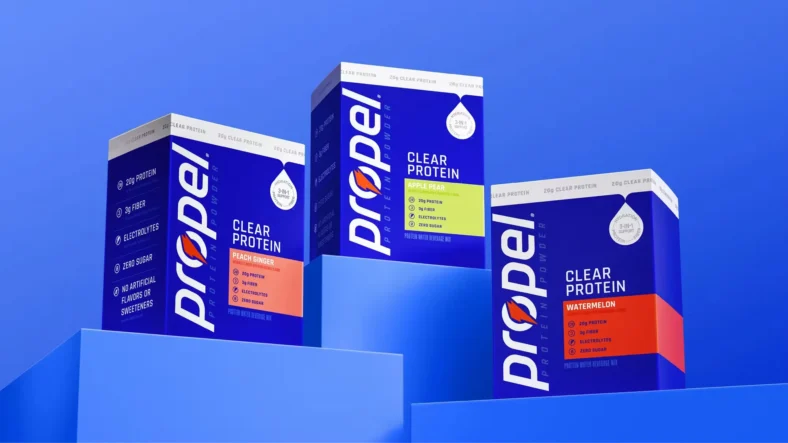
The CPG giant is building its sports-drink portfolio around protein as the macronutrient surges in popularity due to GLP-1s and broader wellness trends
Protein has moved into mainstream wellness culture in a way that few ingredients manage, driven by a convergence of trends: the rise of women’s strength training, growing awareness of muscle loss in aging and the explosion of GLP-1 medications that have forced millions of people to think more carefully about what they’re consuming.
PepsiCo is responding with what it calls a “function-first” approach, including the launch of Propel Clear Protein with a broader reformulation of Muscle Milk, its flagship protein drink.
As mainstream brands race to enter the protein category, PepsiCo brings obvious advantages in scale, distribution and R&D, but protein has also become a category where credibility is often built brand by brand, through social media, creator communities and consumer trust. PepsiCo will still have to compete against smaller wellness brands that may feel more native to the consumers driving the category’s momentum.
Propel has spent more than a decade as a functional hydration brand, building a loyal following, particularly among women, and the new product extended that equity into protein. Propel Clear Protein launched as a ready-to-mix powder delivering 20 grams of whey protein, 3 grams of fiber and electrolytes, with zero sugar, 90 calories and no artificial flavors, sweeteners or added colors. The flavors, Watermelon, Peach Ginger and Apple Pear, were a deliberate departure from protein convention, which tends to rely on dessert flavors.
“We didn’t want to go to the usual vanilla, chocolate,” Damian Browne, senior vice president of R&D global capabilities and North American beverages at PepsiCo, told Athletech News. “We wanted to get to Watermelon and friendlier flavors, something that you generally don’t associate with protein.”
The product reflects a broader shift in the category. Protein, for a growing number of consumers, is no longer a gym-specific behavior. Particularly with the rise of GLP-1s, protein can support satiety and help preserve lean muscle at a time when more consumers are eating less, snacking differently and looking for convenient ways to meet basic nutrition goals.
PepsiCo has been open about the fact that GLP-1 medication users were a formative consumer insight behind Propel Clear Protein. The nutritional logic is straightforward: people taking drugs like Ozempic or Wegovy often eat less, which can make maintaining adequate protein intake more difficult. A low-volume, functional beverage that packs protein, fiber and hydration into a single serving addresses that problem more efficiently than a full meal or traditional shake occasion.
PepsiCo CEO Ramon Laguarta specifically cited GLP-1 users on an earnings call and referred to fiber as the next big trend in functional drinks. But the company’s own R&D team described quickly moving past that single use case as the products took shape.
“We started on this GLP-1 consumer, and then we said, ‘Okay, what does everybody need?’” Browne said. “We need protein, we know fiber is something most Americans don’t get enough of, and then we knew hydration for every day was really important.”
Muscle Milk, meanwhile, received a full reformulation built around ultra-filtered milk, eliminating artificial sweeteners, flavors and added colors. The new lineup includes a Base version with 26 grams of protein and a Pro version with 42 grams, both with 3 grams of sugar and 200 calories per serving. The drink is positioned as a ready-to-drink protein shake combining ultra-filtered milk with no artificial additives.
Fairlife, owned by Coca-Cola, has been selling ultra-filtered milk protein shakes for years and surpassed $1 billion in annual retail sales in 2022. Muscle Milk is now trying to compete more directly in that cleaner-ingredient formulation space, while holding on to the performance credibility that originally made the brand recognizable.
To support the relaunch, Muscle Milk partnered with Ilona Maher, the rugby star and Olympic medalist who has become one of the most recognizable faces in women’s strength culture. Maher is a credible choice for a brand trying to modernize its image without abandoning its athletic identity.
For Maher, the appeal was that Muscle Milk’s reformulation reflected the way consumers are now evaluating the category through ingredients and quality.
“There are so many products, we’re also so cautious about what we put into our body,” Maher said. “We want to put quality stuff in, because we deserve that, and our bodies deserve that.”
PepsiCo framed both launches as an extension of the work the Gatorade Sports Science Institute has done for decades with elite athletes, applied now to a mainstream consumer. Kimberly Stein, who has spent nearly two decades with the GSSI, described the evolution as a natural progression of the Institute’s original mission.
“Part of our mission has always been not only athlete performance, but athlete health,” Stein told Athletech News. “We still want to help athletes perform at their best, but we want to help athletes be healthy, and then we want to help everyone else use this expertise we have to be healthy as well.”
That positioning matters because PepsiCo is entering a protein market that has been reshaped by brands that don’t look like traditional CPG incumbents. DTC brands, gym-channel specialists and social-native startups have built trust with consumers before building national distribution.
Propel Clear Protein launched across Amazon, Walmart.com, Gatorade.com and TikTok Shop, while Muscle Milk’s reformulation rolled out through national retailers. The omnichannel rollout is strategic in a category where a product can be discovered on TikTok, validated by an athlete or creator, compared online and repurchased in-store.
A business case is also driving the urgency: PepsiCo Beverages North America has reported declining volumes for several consecutive quarters, with organic volume falling 2.5% in the first quarter of 2026, according to the company’s earnings reports. Functional beverages represent one of the few parts of the category where consumer demand is still expanding, which gives these launches strategic weight beyond a typical brand extension.
Muscle Milk faces the sharper competitive test. Fairlife has spent years building its consumer base with ultra-filtered milk protein, strong retail presence and Coca-Cola’s distribution network. A reformulated product and popular ambassador give Muscle Milk a strong story, but converting loyal Fairlife customers will require more than just a cleaner label. Propel Clear Protein may have a clearer lane as the brand is tapping into a newer category, sitting between hydration, satiety and recovery.
Across both launches, PepsiCo is trying to use scale not just to sell more protein, but to make the category feel easier to navigate.
“There’s a real beauty in combining the right ingredients and the right benefits into something that’s very simple for (consumers) to use,” Stein said. “It reduces that confusion. It reduces the burden on the consumer.”
Popular Products
-
 Photochromic UV400 Sports Glasses
$78.99$54.78 -
 Hip Trainer with 39 Gears
$98.99$68.78 -
 Arm Resistance Bands for Baseball & S...
$64.99$44.78 -
 Portable Badminton Set with Bag & 3 B...
$64.99$44.78 -
 Soft Practice Balls - Indoor Outdoor
$37.99$25.78