These Cameras Were Destroyed By The Solar Eclipse Of 2017 — And They Show What You Definitely Shouldn’t Do Today
- A total solar eclipse can be seen today across select places in Europe
- To enjoy the spectacular celestial event you'll definitely need solar glasses
- And to photograph it, you'll want a solar filter to protect your gear
If you didn't already know it, there's a total solar eclipse today, August 12. Totality will occur in parts of Spain, Portugal, Greenland and Iceland, and a partial eclipse will be visible further afield across Europe, including the UK, and even as far as northern North America. If you're in any of those regions, it promises to be a truly unmissable spectacle.
A poll on the TechRadar WhatsApp channel showed that plenty of you are planning on photographing the 2026 eclipse (voting is still open, and you can vote below). That's great, and you should definitely go for it — but you should definitely also read our how to photograph a solar eclipse guide and, most importantly, taking precautionary measures to protect both your eyes and your gear.
You'll need solar glasses to protect your eyes while looking directly towards the Sun — with astronomical demand, good luck buying some at this late stage — but also a solar filter for your camera gear.
If you're in any doubt about the risks to camera kit, take this post by Lensrentals, as your warning. The risk to unprotected camera gear when you point it directly at the Sun, even for short periods, is clearly seen in the photos of damaged rental gear returned to Lensrentals following the 2017 solar eclipse in the US (and in the YouTube video below).
Photographing a solar eclipse — the risks to camera gear
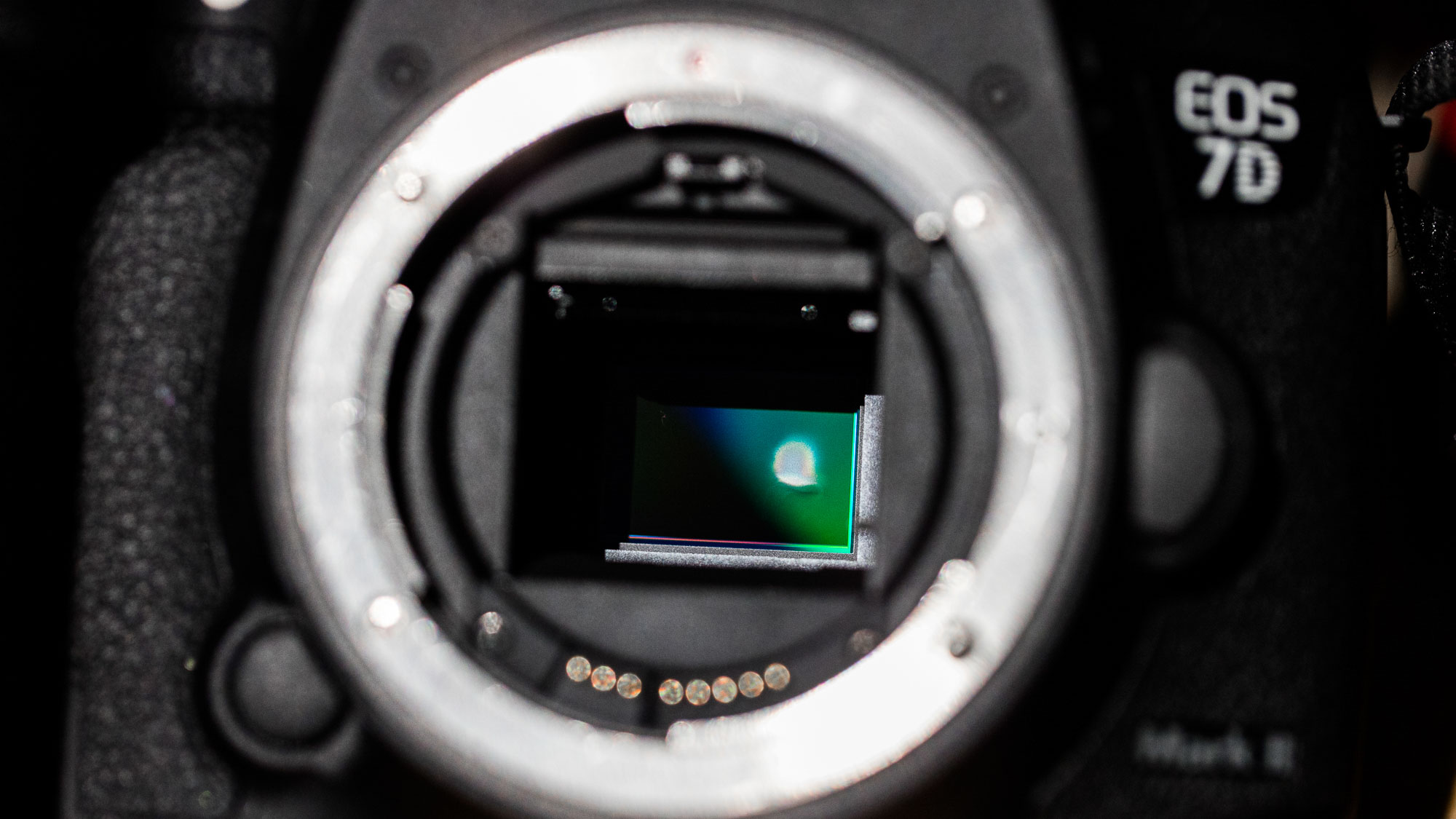
Sensors were the most commonly damaged component, whether that was in a DSLR or mirrorless model. The intense light and heat generated as it was focused through the lens without a solar filter attached literally melted sensors — and you can see the permanent damage in the image above.
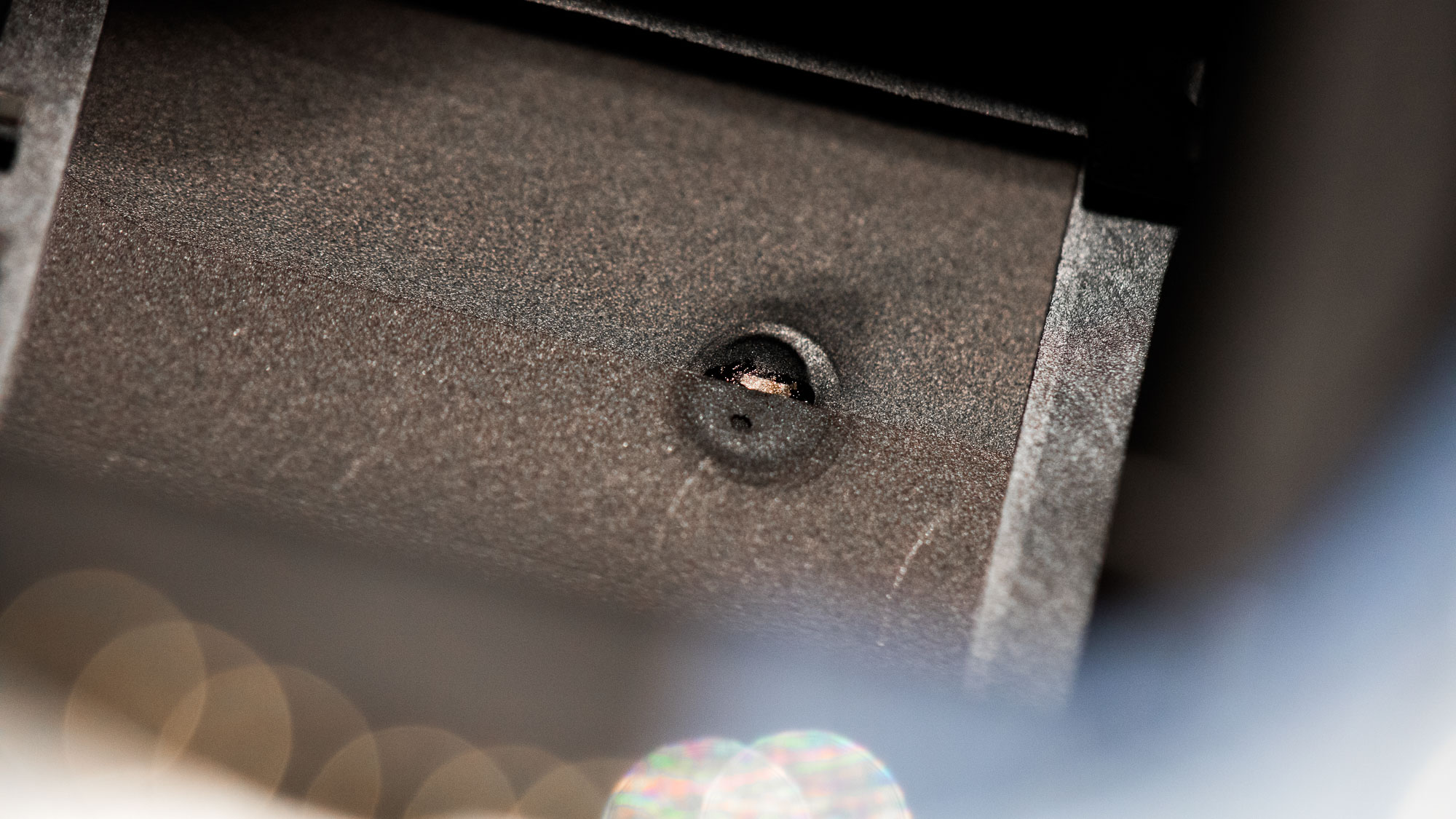
That's not all. Lensrentals shared photos of melted shutters, lens aperture blades (see the lead image), mirror damage in DSLRs, and even damage to a built-in ND filter system in one of its cinema cameras. All this damage is permanent, and repairs are costly.
You really don't want to take any shortcuts for today's solar eclipse. Protect yourself, and protect your gear! You can find further eclipse safety at the NASA site.
Will you be watching the solar eclipse? If you're photographing it, what gear will you be using? Make sure you vote in our poll below, and share your favorite shots with us at news@techradar.com — we'll feature your best images in our follow-up coverage.
Popular Products
-
 Professional Hair and Scalp Detection...
$1,765.99$1056.78 -
 Fairywill Sonic Electric Toothbrush Set
$148.99$103.78 -
 Electric Hair Straightener and Curlin...
$161.56$80.78 -
 High Tech Laser Therapy Watch For Hyp...
$536.99$374.78 -
 Wireless Health Tracker Smart Ring - R11
$131.56$65.78