The 10 Best College Football Towns In America

At universities around the country, the circus comes to town on Saturdays in the fall. In the corners of America where college football is the universal religion, home games are transformative. Parking lots fill up. Portable grills fire up. Hallelujah.
Change is inevitable, but tailgate traditions and regional quirks span generations. Whether you’re coming from the next town over or traveling across several states, arriving for a college football weekend means seeing your temporary home at its best. Fall colors. Buzzing student bodies. Alumni reliving glory days. Win or lose, everyone has an excuse to eat, drink and socialize like they’re undergrads.
What makes a college football town one of the best? There has to be a picturesque campus, a tradition of on-field success, a massive stadium and bars and restaurants with a timeless formula.
Our list is informed by a rare breed of road warrior: the sportswriter. We asked our sports staff, who have decades of combined gamedays under their belts, to vote on their favorites. Then we ranked them by those with the most votes and factored in geographic and conference parity. In each case, we backed up our selection with a fact-finding visit at the height of the season last fall.
If you visit any one of these college football towns before kickoff, you’ll feel the magic, and maybe learn a new cheer or two.
Student population: 52,097
Stadium: Camp Randall Stadium
In the exhilarating case of Madison, it’s important to pursue the frenzy, merge with the frenzy, ingest the frenzy.
The frenzy beckons along State Street, the central nervous system of the city and the 50,000-strong university, with main quadrangle Bascom Hill at the end opposite the state Capitol. The frenzy churns up and down the streets and boulevards leading up to kickoffs, the multistory bars packed with people and red. It’s present in bits in the breakfast line at the famed Mickie’s Dairy Bar, or the doughnut line at Greenbush, or at State Street Brats, or the Memorial Union Terrace of the main student union. It’s bubbling at the Dane County Farmers’ Market, and it’s roaring at the frat houses near Camp Randall Stadium, where the inspiring sights might include a beer bong on the second floor delivering the nectar to a drinker on the ground.
It reaches its peak, though, at the end of the third quarter. The tradition is relatively new among college football habits, tethered to a song released in May 1992, yet it has surged past so many of the other rituals for its visual effect and its frenzy. Even during a blowout loss, most students will not depart until the public address plays “Jump Around,” the House of Pain song produced by DJ Muggs of Cypress Hill, and until the students (and other fans) have complied with the song’s instructions. “Jump Around” plays in plenty of stadiums around the country, but all of these celebrations feel inauthentic or derivative compared with Madison.
That moment serves as the epitome of the city’s great energy, channeling the buzz found in the staple bars such as Wando’s, Red Rock Saloon, Whiskey Jack’s or the aforementioned State Street Brats; in the Badger Bash pregame (with the marching band stopping by); and even at the Friday night fish fry at Jordan’s Big 10.
If one seeks bouts of quiet, as unfitting as they can seem, there’s a daydream of a lake (Mendota), the Lakeshore Path, the city’s welcoming capacity for cyclists or the privilege of a lakefront room at the Edgewater Hotel.
But with Madison, it always goes back to an energy that seems to mix the decades gone by with the moment, and that can build from a Saturday morning through a Saturday evening until it qualifies as a frenzy. — Chuck Culpepper
Student population: 41,707
Stadium capacity: 102,321
About a quarter-mile from LSU’s Tiger Stadium are two mounds believed by LSU’s anthropology department to be the oldest man-made structures on the North American continent. Their original purpose is unknown, but they’re evidence that people have been gathering at this spot by the banks of the mighty Mississippi for millennia. I lost a beer pong game to a 12-year-old Auburn fan under the drooping limbs of a gorgeous oak tree about 100 feet from those mounds. (That kid was sober — and he was a sniper.)
Louisiana could be a country unto itself. It has produced its own endemic musical styles, cuisines, language and a unique pronunciation of the word “tiger” (Tyg-UH). Baton Rouge is Louisiana’s capital, and when it’s Saturday night in Death Valley, you’ll learn Louisiana also has its own homegrown genre of stadium noise, too.
LSU is 112-16 in home night games at Tiger Stadium since 2000 and rarely plays before sunset. On the rare occasions that the TV networks schedule an afternoon kick, LSU fans feel robbed, because they are forced to limit tailgating to a mere five or six hours.
The tailgating crew I hung out with on my two trips to Baton Rouge arrives on campus at 5 a.m., about 14 hours pre-kick, to set up colossal cast-iron cauldrons to cook hundreds of pounds of Louisiana cuisine. The last time I went, they made a sauce piquant with 20 pounds of gator meat. There were flavors in that foam bowl that cannot exist in the other 49 states.
If you must eat someplace besides a tailgate, the campus favorite is the Chimes, right outside LSU’s gates, where they serve boudin omelets with cheese grits at brunch. But it’s Louisiana. You can’t miss.
When the tailgate is over and you have to head into the game, stop by the habitat of Mike the Tiger, LSU’s majestic mascot who lives across from the stadium’s north end zone. LSU fans talk about Mike like he’s a close friend and a loyal fan of LSU football, even though he is a tiger and probably does not understand the sport’s rules. In 2024, Louisiana’s governor arranged for a different live tiger to briefly appear on the sidelines before the Alabama game. This decision was widely panned, on grounds of animal cruelty — and disrespect toward Mike, the real LSU tiger. LSU lost at home for the first time in two years. “They shouldn’t have tried to replace Mike …” fans muttered.
By kickoff, you are sweaty, and you are stuffed. Your brain gets fogged up with the alcohol and the humidity. Sometimes, it feels as if the opposing teams’ brains are just as foggy as they blunder into inexplicable losses.tet
Baton Rouge is bigger than LSU. The city has some 225,000 residents, two monumental state Capitol buildings, and a whole other Division I school, Southern University. The Jaguars have plenty of fans around Baton Rouge and are one of the most successful HBCU programs ever. Their spectacular marching band, the Human Jukebox, boomed through your TV speakers during the Super Bowl pregame show in February.
The Tigers and Jaguars tend not to play at home on the same Saturday, so you’ll have to go to Baton Rouge twice to see them both. More opportunities to eat boudin balls. — Rodger Sherman
Student population: 52,855
Stadium: Michigan Stadium
Stadium capacity: 107,601
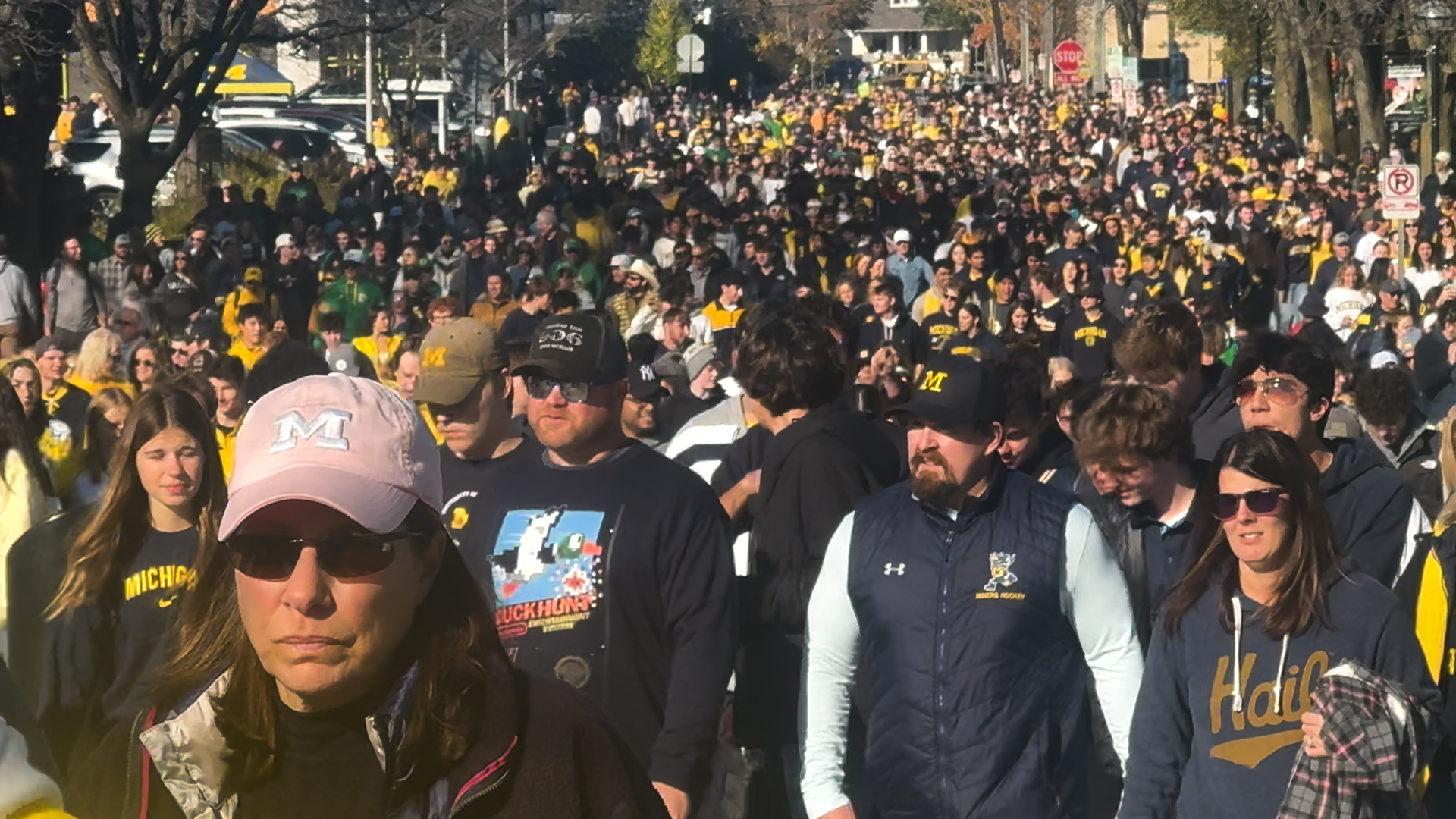
The thing about Ann Arbor is its renowned “House” is “Big,” but the town also manages to achieve the feel of a place that probably wouldn’t devote a house that big to a pursuit so domestic. In one sense, there’s a Michigan Stadium (“Big House”) of 107,601 that suggests the domination of a city of more than 120,000 with a peculiar sport that is popular in only one country. In another, there’s a city of more than 120,000 free enough of any kind of domination to lavish a fine internationalism with some major help from its magnetic university of 52,855. It can feel as if the disparate entities, American football and internationalism, have taken up adjacent places in the air.
That means it’s possible on a college football weekend to do both college football things and things one wouldn’t associate with college football. It’s possible to get a price-gouged hotel, dwell among fans in their colors at the breakfasts, walk among droves past sweeping fields of tailgaters or fraternity yards booming goose-bumpy music, arrive at the large domicile on the ample corner of Main and Stadium and say, “Wow, there it is.” Michigan Stadium by itself has gained a say-you’ve-been-there status after 98 years of life and as the largest stadium in a Western Hemisphere that includes Brazil and Mexico, even. Yet, on the same weekend, it’s also possible to usher one’s palate on a pretty worthy tour around the very planet football people tend to ignore, even if one centerpiece would be the Michigan Theater, which looks like something purely American.
For just one example of the internationalism, a restaurant called Base Camp opened in early 2024 with its ethic “dedicated to bringing the flavors of the Himalayas to the vibrant Ann Arbor community.” Its menu springs from Nepal, Bhutan, Tibet, India. In many a town, it might feel like exotica; in Ann Arbor, it feels like, Yeah, sure.
To circumnavigate while remaining in one smallish city, one might go to Cuba (at the locally famed Frita Batidos), or to a little bit of Spain (the tapas and paella of Aventura), or across the sea to Tunisia (El Harissa Market Cafe) or Ethiopia (the Blue Nile). There’s ample Indian and Chinese, such that choosing can be hard, and there’s raved-about Korean (Kang’s, Miss Kim) or Japanese (Pacific Rim). It’s a cosmo aspect even with the basics a first-time visitor will hear recommended, such as Zingerman’s Delicatessen, or the Kerrytown farmers market, or the gorgeous Law Quadrangle, or the great idea of walking all over town and even to or from a Big House. — Chuck Culpepper
Student population: 24,462
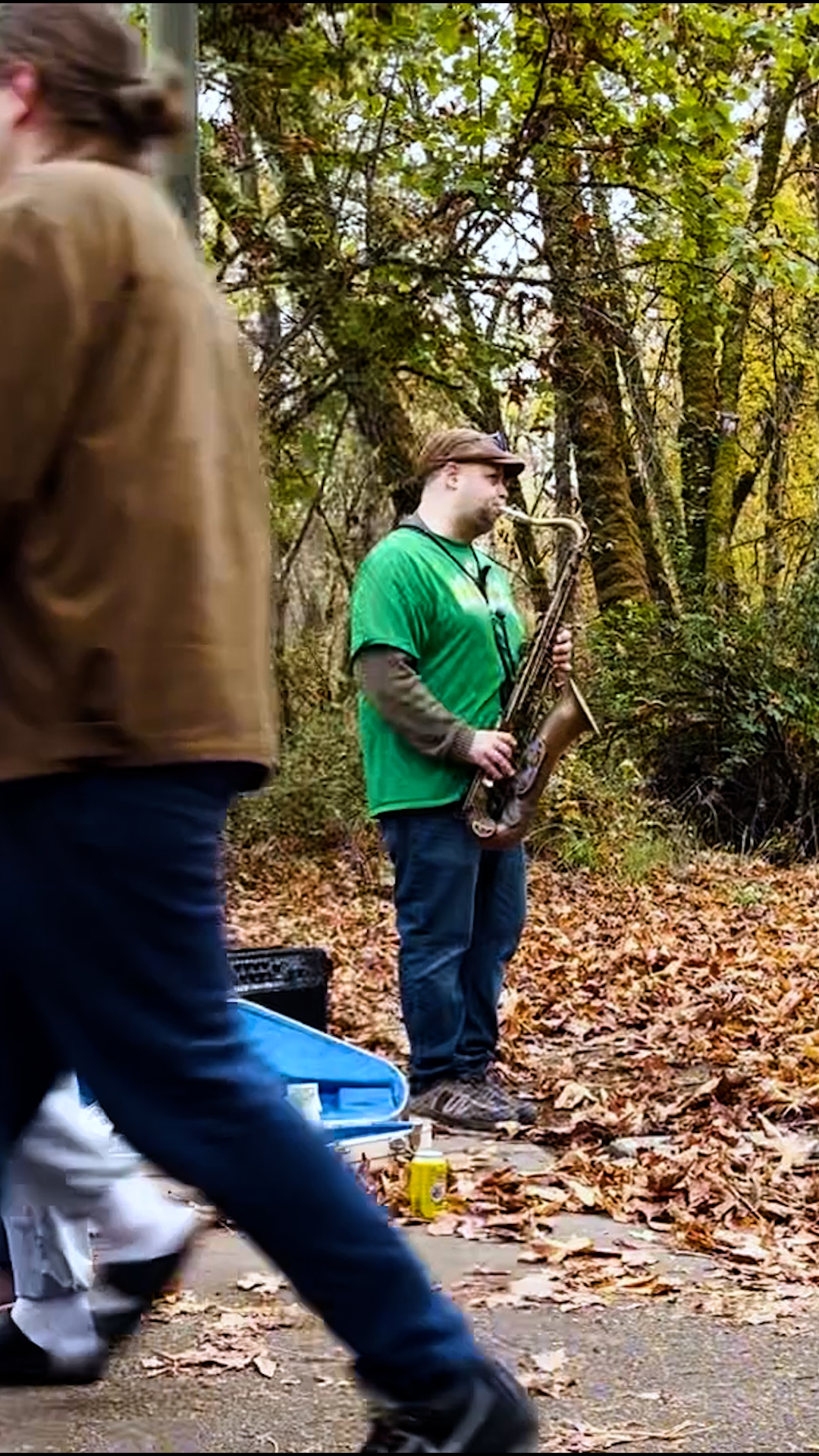
It’s only fitting — in TrackTown USA, where a mythology is built on putting one foot in front of the other — that the highlight of a football weekend involves walking over a bridge.
If that seems to sell the rest of the experience short, then light apologies to Eugene and the Oregon Duck. There are the staple on-campus bars, the wood booths at Max’s Tavern, the upstairs patio at Rennie’s Landing that is perfect for people-watching (or chirping fans of the visiting team). And if you like very tall, very stunning trees, Hendricks Park is right by campus — and right by the memorial for legendary runner Steve Prefontaine.
But, man, that walk over the bridge, over the slow-moving water of the Willamette River, is really something different. The official name is the Dave and Lynn Frohnmayer Pedestrian and Bicycle Bridge. Fans, though, tend to use shorthand.
Oh, you have to take the path to Autzen.
Directions? You’ll find it.
Just follow everyone else.
So a few hours before kickoff, you reach a skinny sidewalk and join the line. The rest is easy. There’s the bridge, the river, trees everywhere. Early in fall, most of the leaves are green and bright yellow, making everything so … Oregon, down to the foliage. And after passing through some thicker woods, the clearing isn’t clear at all. In every direction, tailgates surround Autzen Stadium, pulling people as if the whole town is magnetized. “Just walk up and ask for a beer,” says Brittany Quick-Warner, president of Eugene’s Chamber of Commerce. “If you’re here, you’re in the crew. That’s the vibe.”
There’s a lot of Nike, too. Like, an overwhelming amount, everywhere you look, especially inside the museum connected to the school’s gleaming track facility, Hayward Field. Nike co-founder Phil Knight is an alum, a megadonor and a die-hard fan of all things Oregon. It isn’t hard to find his family’s name on a building. But Autzen, where noise gets trapped like a bug in a jar, is named for an older alum, the son of a lumberman who — gasp — was an Oregon State grad. They don’t talk about the Beavers too kindly in Eugene.
The atmosphere, though, is friendly and biased toward anything outdoors. Ask a local for a nearby hike, and you’ll wind up with enough recommendations for a month, let alone a game-day morning. — Jesse Dougherty
Student population: 29,077
Stadium: Memorial Stadium
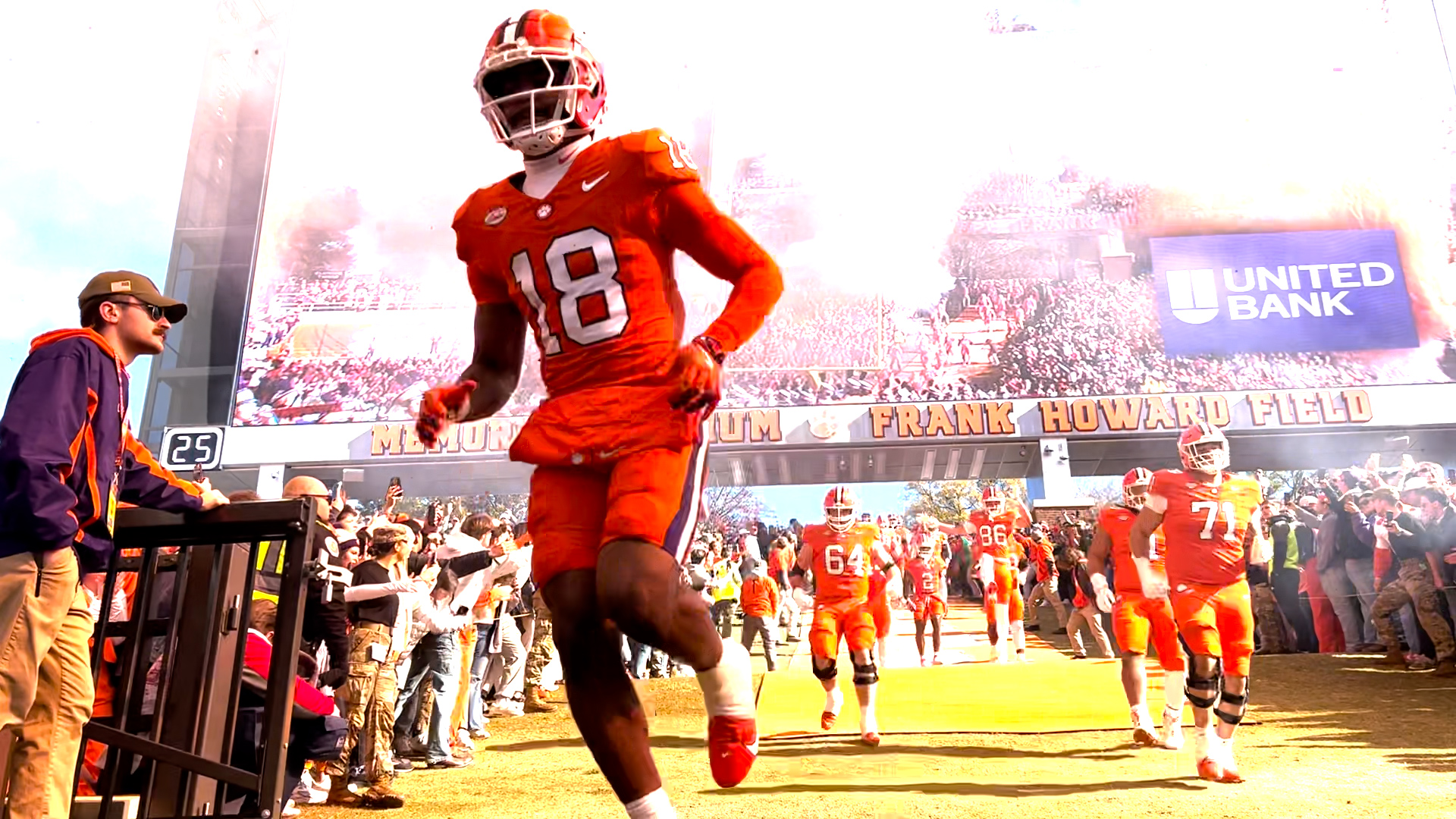
The cartoonish proportions of the Clemson fandom appear as soon as you hit Interstate 85. There’s a tiger tail whipping through the wind from the back of an ambulance converted for tailgating emergencies. Orange flags with white paw prints billow from SUVs. Once the roads get smaller, the trees multiply and the town comes into focus, you may start seeing the world through Cheeto-colored glasses.
An iconic home field, revered stadium rituals and a succession of colorful coaches who combined for three national championships have created a potent tradition at this land-grant university. The grassroots fundraising organization IPTAY, started as “I pay ten a year,” may well be the original NIL collective. They call the venue “Death Valley.” It gives life to a social calendar of Saturdays.
That influence extends beyond the verdant campus built on the Fort Hill plantation and percolates past the pickle-martini-fueled buzz of College Avenue. Even at Kite Hill Brewing Co., where you’ll find mango in some beer and a hard seltzer on tap, patrons are conversant in quarterbacking deficiencies and pining for defensive coordinators of yore. (Where art thou, Brent Venables?)
The old haunts are time capsules and sports shrines passed from one generation to the next. Stop at Mac’s Drive In (est. 1956) on the way into town for a chili cheeseburger and beer-battered onion rings. Skins’ Hotdogs is closer to the action. Jimmy Howard, former Clemson fullback and son of former coach Frank Howard, still tends bar and playfully roasts customers at Sloan Street Tap Room, where 12-ounce draft beers come in a glass insulated by a beer cozy for a buck. Go to Tiger Town Tavern, a.k.a. Triple T, to rub elbows with undergrads; the Esso Club, in an old filling station, to chat with alumni; and Nick’s Tavern & Deli to wash down fried food with a cocktail.
You’re here for football, but pregaming is the prevailing sport on campus. Get there a day early, and you can stroll across walkways and lawns, popping into the ’55 Exchange for ice cream made by students. See Frisbees fly underneath the watch of the clock tower at Tillman Hall. As kickoff gets closer, the whir of generators is omnipresent as tents and trucks take over every patch of grass on campus and square miles of surrounding asphalt. Opposing fans are greeted with grace and offered a seat, a scoop of pimento cheese, a sampling of chicken nuggets. Clemson fans take Southern hospitality seriously.
Hours before the game, a portion of the parking lot masses migrates to the west end zone of Memorial Stadium for the Tiger Walk. Fans, many with children perched on their shoulders, clap for the Tigers in suits and ties as they enter the stadium. Once the players are in uniform, a roar builds as they rub Howard’s Rock for luck. The crowd reaches a fever pitch as the lights flash off and on. Players run down the Hill on an orange carpet. It’s game time. Opponents are in the mouth of the Tiger now. — Gabe Hiatt
Student population: 43,146
On the mornings of Georgia game days, the humans jog the streets, and Athens’s most famous dog lounges in a hotel suite. It’s the only way to get ready for the bonanza that is Bulldogs football — a whole day submerged in sausage gravy, set ablaze by Fireball and deliciously deep-fried.
Wake up early to set up tailgates — because, seriously, the whole campus becomes a party — or to burn those incoming calories. Tons of runners pace down Milledge Avenue, but don’t sprint too fast, or else you might miss the house where the B-52s are rumored to have played their first gig, in 1977.
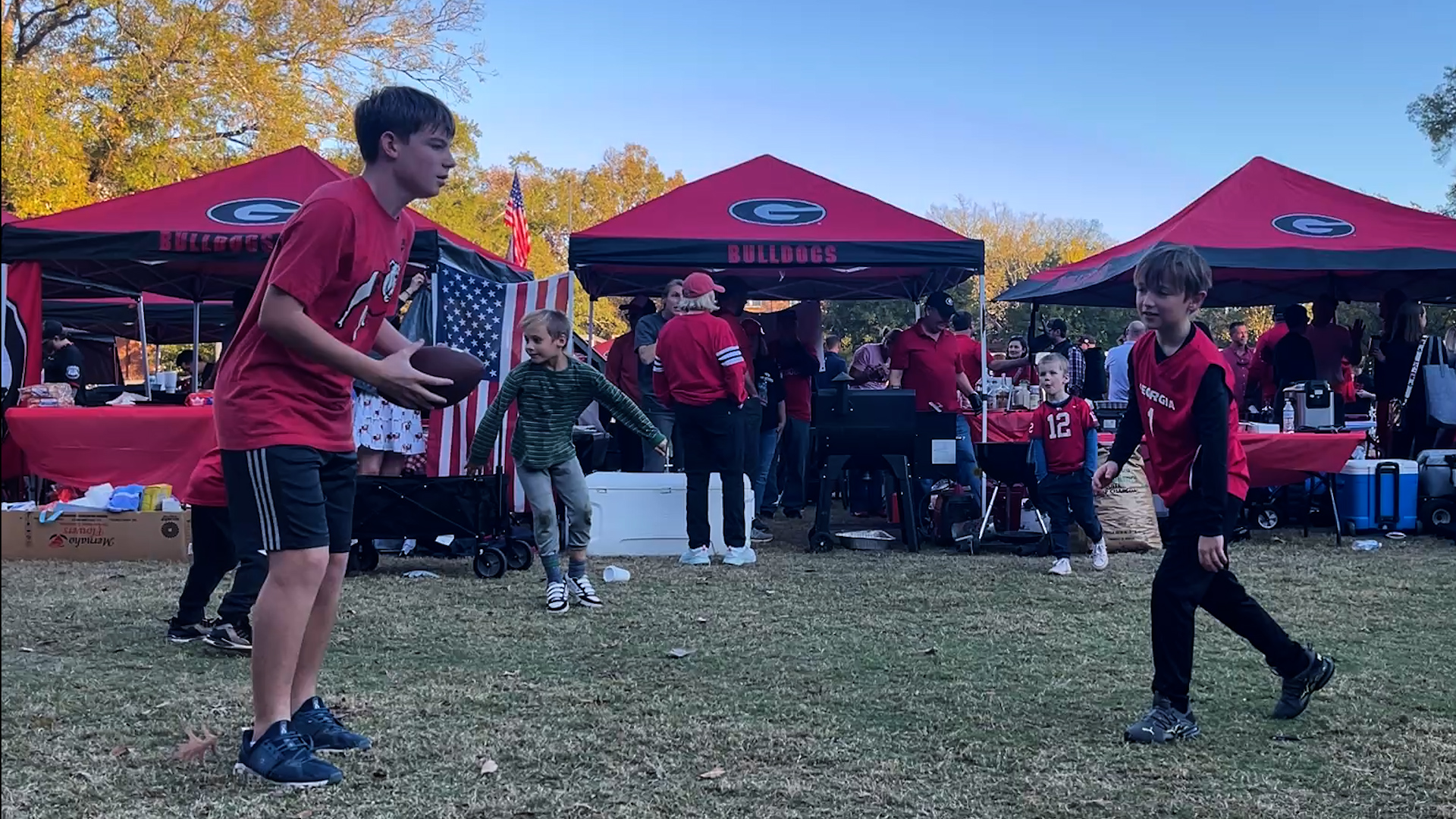
After getting some exercise, or not, it’s time for Mama’s Boy. Though red and black are the official colors of the patrons, and even the manager might welcome you while wearing a throwback No. 34 jersey, there are no TVs to watch football inside this diner on Oak Street. The goal here is to eat and enjoy. Everyone’s mama would approve of the biscuits and gravy, but it’d be an affront not to try the Georgia peach French toast or banana bread drizzled in honey poppy seed butter.
From here, it’s a short jaunt into the heartbeat of Athens. Inside the historic Georgia Theatre on Lumpkin Street, Georgia football sometimes plays for free on the big screen. Just down the block, a line forms outside Taco Mama, and, across the street, country music invites revelers into Bar South. And tailgates are in full swing all the way from Hotel Indigo, where it’s $60 to park, to the university’s Center for Continuing Education, where an English bulldog named Boom rests before his very important job of being adorable and continuing the 69-year lineage of Uga the mascot.
Alum David Hughes and some buddies have retrofitted an old emergency vehicle into a tailgate ambulance. Mark Parkman’s group outside the Special Collections Libraries hosts about 21 families beneath four large tents. They’re willing to pass along a taste to a stranger, but head for the green restaurant on East Broad Street for some true Southern hospitality. Inside Weaver D’s Delicious Fine Foods, when the proprietor tells you his fried chicken and sweet potato souffle are “anointed,” believe him. Another favorite motto here inspired R.E.M. In 1992, the band, which originated in Athens, named its Grammy-nominated album after Weaver D’s slogan, “Automatic for the People.”
On game days, Athens is for the people, and the dogs. — Candace Buckner
Student population: 13,042
Stadium: Notre Dame Stadium
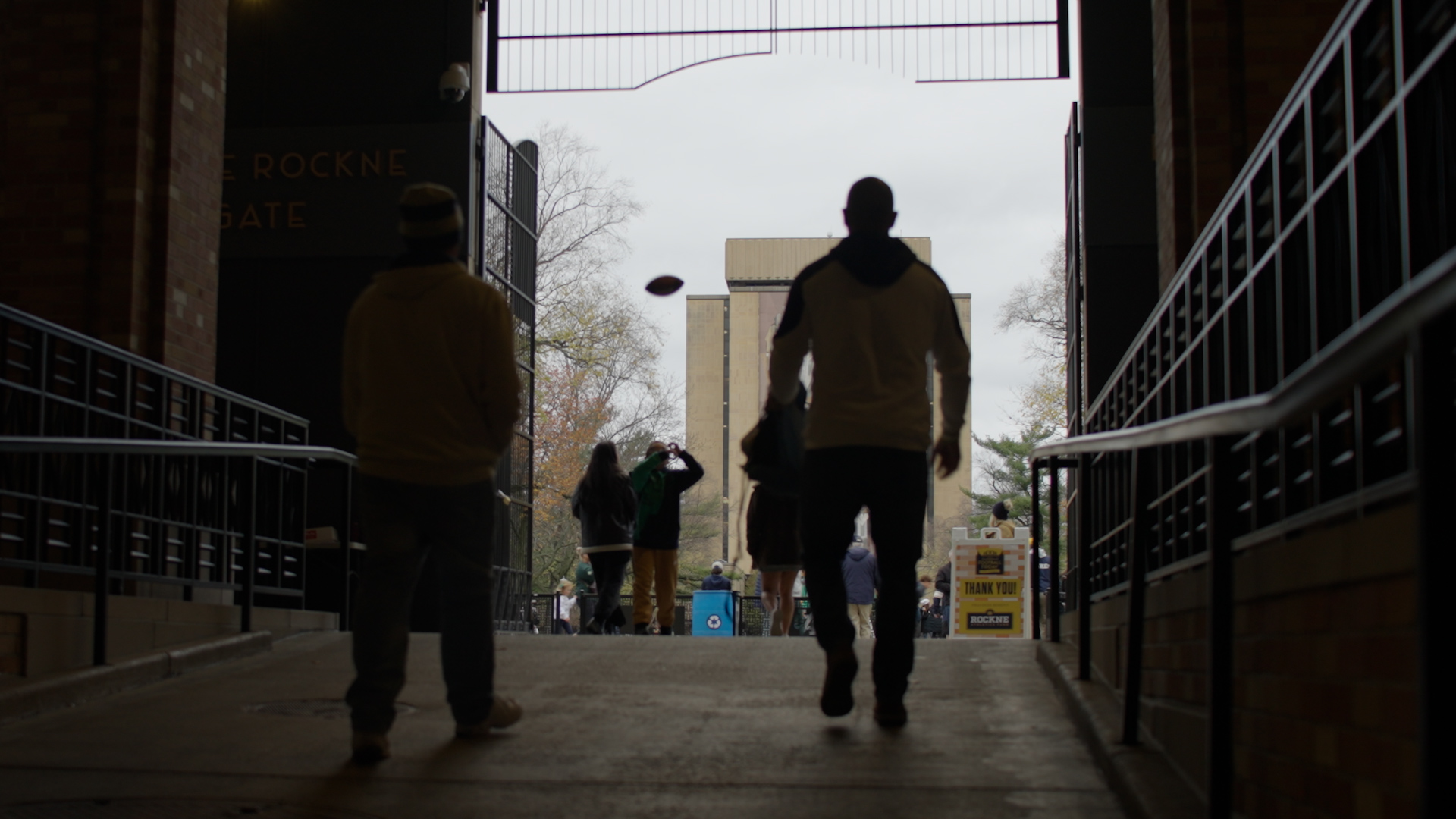
Stand in the God Quad on a late fall football afternoon, and as the sun begins to dip, you’ll see an unmistakable golden shimmer envelope Notre Dame’s campus. You can see it glint on the Golden Dome of the Main Building, in the maple leaves that have changed color for fall, on the arches inside the Basilica of the Sacred Heart. It reflects off the trumpets that blast out the school’s fight song. It sparkles off the sand-colored brick buildings in the twilight.
Gold is part of the football experience, too. The Golden Domers have worn metallic helmets since the 1950s. But the color is also godly in a place where the student body remains around 80 percent Catholic, a reminder that so many visitors treat a trip to campus like a pilgrimage.
Come to Notre Dame for a football game and you can take a tour of Notre Dame Stadium, tap the famous “Play Like a Champion Today” sign and run through the tunnel toward the field. You can find where your favorite scenes from “Rudy” were filmed and shop for Knute Rockne memorabilia in the campus gift shop. The campus is recognizable to so many because of its football history. (Hello, Touchdown Jesus!)
Notre Dame bills itself as a solitary force in college football, its team conference-less and its piety peerless. It’s hard to argue. Its stadium holds some 80,000 people but has no advertisements. Docents dressed in Irish-green blazers across campus hand out pamphlets with a weekend calendar that offers the devoted confession inside the basilica and a postgame Mass. On the big screen inside the stadium before kickoff, video shows the team saying its pregame Hail Mary.
For those interested in the more earthly aspects of college football, the tailgates on campus start early Saturday morning, with trucks and vans filling the parking lots near the stadium. Fans can famously trade a beer for a burger at many of the pop-up grills. (Mention the preponderance of gold on campus, and a merrymaker might just smile and quip: “The Brothers of the Holy Cross never took a vow of poverty.”)
South Bend isn’t quite known for a quaint downtown or trendy dining options, but a dinner at Parisi’s, a homey Italian joint walking distance from campus, and a breakfast at the Dainty Maid Food Hall downtown are worthwhile stops. A must on any trip to South Bend is a stop at the Linebacker Lounge, a wonderful no-frills bar located just a few blocks from campus that features free popcorn and walls adorned with televisions and Notre Dame jerseys. — Ben Strauss
Student population: 53,864
Stadium: Darrell K Royal Texas Memorial Stadium
Stadium capacity: 100,119
Can you pigeonhole Austin as any one kind of place? State capital, live music capital, tech capital, epicenter of “weird”: There’s a scene for all comers. But when this once-dusty, country-tinged town exploded into a sprawling, hip metropolis, one core truth remained: In Austin, nothing’s bigger than the Texas Longhorns.
Half a day is just barely enough time to take in all the action centered around Darrell K Royal Texas Memorial Stadium, so schedule your sightseeing for a non-game day. Outdoorsy types might enjoy renting a kayak on Lady Bird Lake or taking a dip in the fabulous, outdoor Barton Springs Pool. Both are excellent options for building an appetite before settling in for Tex-Mex at Matt’s El Rancho or piles of Texas brisket at Terry Black’s, Interstellar BBQ or Franklin Barbecue. If your visit lands before the end of October, head to the Ann W. Richards Congress Avenue Bridge around dusk to watch more than a million Mexican free-tailed bats soar.
As for the main attraction, the capacity at Texas’s stadium is 100,119, about twice the size of the student body. Yet a stroll around campus through sea after sea of tailgaters clad in burnt orange still might leave you thinking, “How are all of these people going to fit inside?”
Many of them will stay put and crowd around a big screen on Bevo Boulevard. Some three hours before kickoff, fans turn their attention from burnt orange Pop-a-Shot games, tents offering custom cowboy boots with a burnt orange Longhorns logo and drink carts selling burnt orange Bud Light cans.
Bevo the longhorn arrives in his trailer while the university’s “Showband of the Southwest” plays Texas’s fight song in spiffy Western wear. White fringe dangles across their shoulders, bolo ties hang around their necks, and white cowboy hats sit atop their heads.
Tailgates bleed into more tailgates that loop around the stadium. Just up the road is a sloping lawn that hosts Longhorn City Limits, the live concert series where families and fans of all ages sprawl on the grass eating barbecue pulled off a nearby smoker.
It’s all very Texas, but nothing tops the moment before kickoff arrives when the marching band strikes up and everyone sticks a hand in the air, pinkie and index finger raised for the international sign of Hook ’Em, and sings in unison, “The Eyes of Texas,” in a big, undulating, burnt orange tide. — Ava Wallace
Student population: 38,799
To any first-timer, Folsom Field can be a revelation, especially on a late fall morning when a full moon hovers above the Rocky Mountains. The sunken stadium was built with sandstone and red clay roofing, and those sitting on the east side get a full view of the Flatirons. With one of the tightest sidelines in the country — the first row of bleachers sits about a dozen feet from the field — fans have one of the closest views in college football. Up above, an old plane often circles with a banner promoting a local business. Down below, barbecue and marijuana smoke waft from tailgates, a reminder of Boulder’s groovy reputation.
Outside the gates, Colorado breweries have set up stands. Coors Lights are sold from a vintage Airstream trailer. On one of the corners near the front entrance, it’s not uncommon to see a few overserved students, shirtless in black-and-gold overalls, lead a school chant over a handheld intercom.
If you’re lucky enough to score tickets in the Coach Prime era, take your seats well before kickoff. It’s a pregame tradition to watch Ralphie, the school’s live bison mascot, run onto the field while student cowboys and cowgirls sprint alongside and steer her to a trailer in the end zone. By the time the Buffs take the field, it feels as if the crowd has already celebrated a touchdown.
The momentum begins to build the night before with a rally on the Pearl Street Mall, a four-block stretch lined with galleries, bookstores and cafes, and long considered the heart and soul of Boulder. Fans have a wealth of options to experience the town’s culinary scene: They could grab brisket at West End Tavern or pregame margaritas at rooftop of the Rio Grande Mexican Restaurant; they could grab a Jiffy Burger (peanut butter, bacon, provolone) at a local landmark, Dark Horse, and catch a shuttle to the stadium. Or wander up the hill to the oldest restaurant in town, the Sink, for famous “ugly crust” pizza, and walk between the Victorian brick buildings of the Norlin Quad on the way to the game.
Campus parking lots are full of tailgaters, many of whom arrive before sunrise to fire up their grills and sip on craft brews. Whether your high is coming from the altitude, the secondhand smoke or just one of college football’s most breathtaking views, the pregame scene in Boulder offers something for every stripe of fan. — Roman Stubbs
Student population: 11,952
Conference: Missouri Valley
In downtown Fargo, the hours before a North Dakota State game feel a bit like a séance: dark and quiet, with first-timers who alternate between curiosity and skepticism. Spirits? Here? Seems unlikely, especially if, like me, you’re a child of the ever-expanding Southeastern Conference.
But then comes the rumble.
It starts at the Bison Turf, a hangout for college kids with cold beer, bison burgers and a rooftop deck. It’s loud. Crowded. Glorious.
Outside the Fargodome, fans start herding in a half-hour before kickoff. Ahead of a rivalry game against North Dakota, the lights lower, and AC/DC’s “Thunderstruck” blares as NDSU players charge onto the field. The noise is earsplitting. The dome may seat only about 19,000, but the acoustics have been clocked at similar decibels as a jet engine, easily on par with the cathedrals in Athens, Austin and Ann Arbor. If this actually were a séance, the table would be levitating. The windows would crack. Skeptics would come around.
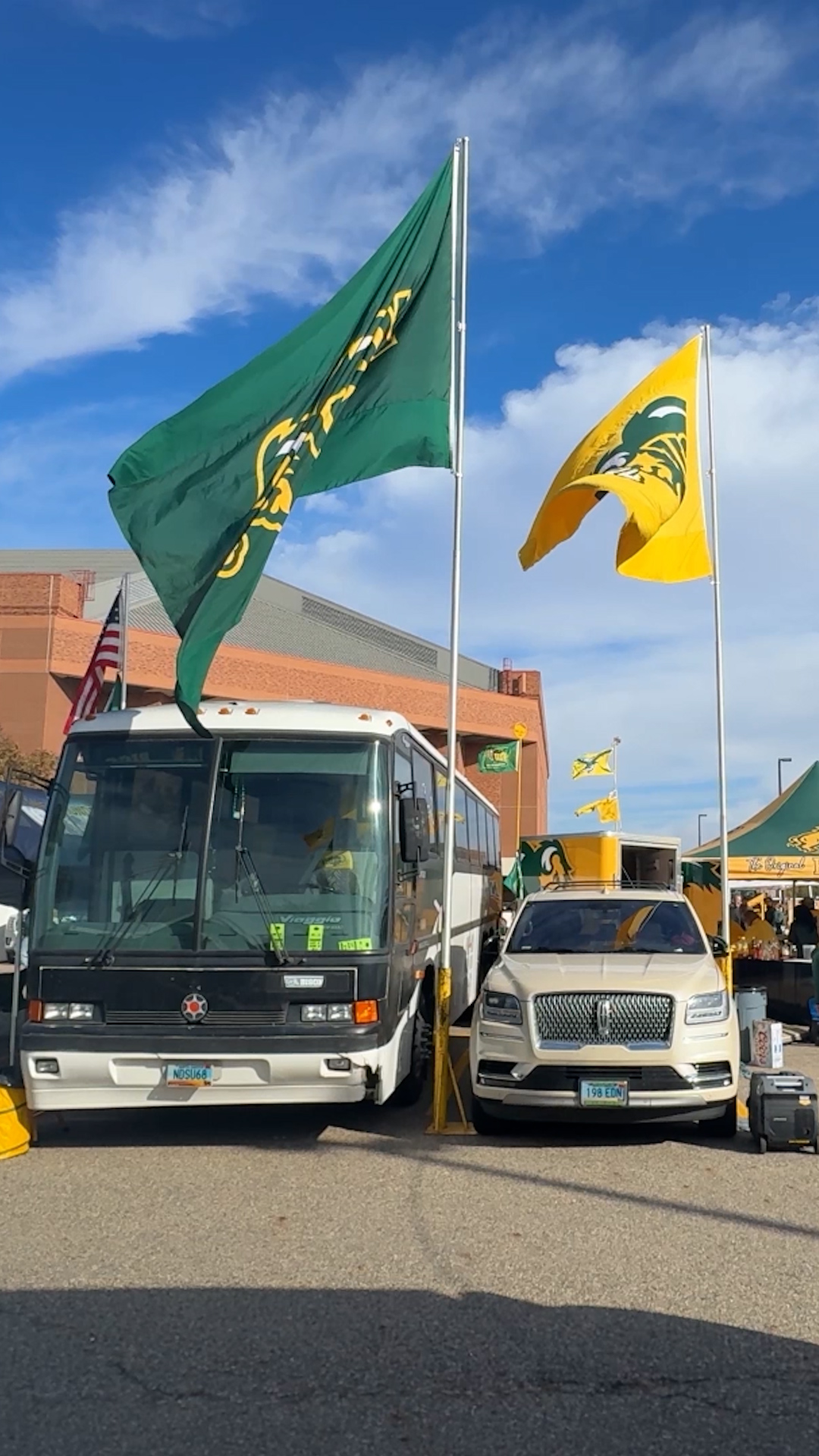
In early October, it’s windy but mild. In Fargo, anything above minus-30 is fair game for tailgating in the Fargodome parking lots. Now fans can warm up with “Icehole” shots, made with peppermint schnapps.
In North Dakota, whose first non-Indigenous settlers were primarily French fur traders, the NDSU mascot is referred to with a decidedly French inflection: “bi-zon.” More recent, boozy decades have produced a staggering 10 national championships in the Football Championship Subdivision (FCS) and a few unusual rituals. Grown adults in striped overalls riding a saddled oak barrel? Sure. A man on a scooter wearing the hide and horns of what appears to be from a full bizon? Why not?
Alcohol, success and the cold combine for some paranormal activity. In fact, the Fargo visitors center off Interstate 94 owns it. Austin has a trademark on “weird.” But Fargo? It’s “North of Normal,” according to the stickers and T-shirts the tourism office hands out. The city similarly embraces the 1996 film “Fargo,” despite it being filmed in Minnesota.
The parking lot at the Fargo-Moorhead Visitors Center encircles a reproduction wood chipper from the film’s grisly denouement. The real thing is in the lobby, stained with fake blood and rust, autographed by filmmakers Joel and Ethan Coen. A socked foot emerges from the infeed chute as if to wave hello.
Würst Bier Hall has 41 brews on draft, rib-sticking poutine with cheese curds and gravy, and hearty knoephla soup with dumplings to thicken you for the winter. A sampler of “exotic” sausages last fall included Hawaiian (salty pork bratwurst with a pineapple glaze), elk (extra smoky, with jalapeño and cheese), and jackalope, a jackrabbit-antelope blend that turns cinema into reality with a meat grinder.
After games, visitors may wander downtown to Blackbird Woodfire for pita — made from locally milled flour and served with Mediterranean beef and bison meatballs — or a pizza topped with sausage and Granny Smith apple. Not the Icehole type? Head to Mezzaluna, in an alley on the eastern edge of town, to browse the wine collection and try a wagyu zabuton steak with beef fat chimichurri.
If the night becomes a blur, spend the next morning at Marge’s Diner, where the “hangover hash” is merciful and delivered on a pie plate, offering sausage and peppers and cheese sauce to address its assignment.
A framed picture of Marge Gunderson, the determined and optimistic police chief from “Fargo,” smiles as she keeps watch, a spirit here to remind us that the confusion and discomfort of the morning are fleeting, and here ya are, and it’s a beautiful day. — Kent Babb
About this story
Enrollment numbers are from fall 2024. Populations were taken from the 2020 U.S. Census. The asterisk on North Dakota State’s 10 national championships reflects FCS titles. Editing by Gabe Hiatt and Greg Schimmel. Photo editing by Lauren Bulbin and Toni L. Sandys. Video editing by Joshua Carroll. Copy editing by Jamie Zega and Rachael Bolek. Design by Michael Domine. Design editing by Junne Alcantara and Virginia Singarayar. Development by Irfan Uraizee.
Popular Products
-
 Reusable Keychain Pepper Spray – 20ml
$21.56$10.78 -
 Compressed Disposable Travel Towels -...
$95.99$66.78 -
 Digital Shipping Scale for Packages &...
$198.77$89.78 -
 Reusable Waterproof Silicone Ear Plugs
$34.99$23.78 -
 Remote Control Car Parking Lock
$170.99$125.78