Simple Ways to Fix Common Home Hazards for Older Adults
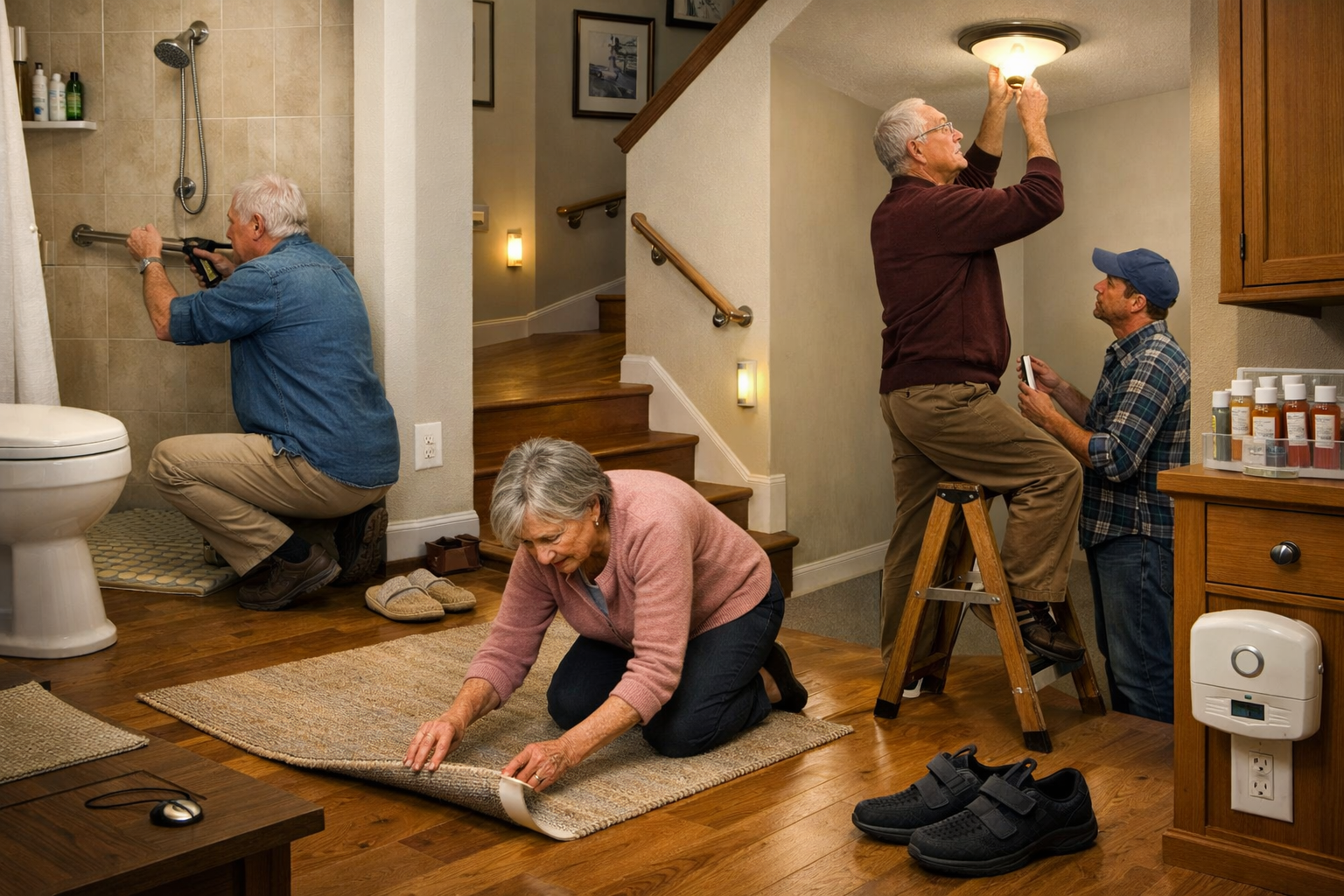
Easy fixes to prevent home hazards for older adults.
As we get older, the home we’ve lived in for years can slowly become more challenging to navigate. Everyday things—like loose rugs, dim lighting, or cluttered walkways—may not have been a problem before, but they can increase the risk of falls and injuries over time.
Older adults—especially those over 65—face a higher chance of injury from falls around the home. The good news is that most home hazards are easy to fix. With a few simple changes, older adults can make their homes safer, more comfortable, and easier to live in every day.
This guide walks through common home hazards and offers practical, easy-to-follow solutions that can make a big difference.
Identify the Most Common Home Hazards
Before making changes, it helps to know where problems usually occur. Some of the most common home safety risks for older adults include:
- Slippery floors and loose rugs
- Poor or dim lighting
- Cluttered walkways and cords
- Bathroom slip-and-fall areas
- Kitchen hazards like burns or reaching injuries
- Electrical and fire risks
- Stairs without proper support
Looking at your home, room by room, can help you spot these issues early.
Flooring & Pathway Safety
Slippery or Uneven Surfaces
Bathroom tiles, kitchen floors, and polished surfaces can be slippery, especially when wet. Loose or curled rugs are also a major cause of trips and falls.
Simple fixes:
- Replace loose throw rugs or secure them with non-slip pads
- Use non-slip mats near sinks, tubs, and showers
- Choose low-pile rugs that lie flat on the floor
- Repair or level uneven floorboards
Cluttered Walkways
Clutter can block natural walking paths and make it harder to move safely through the home.
Simple fixes:
- Keep walkways clear in high-traffic areas
- Remove unnecessary furniture or décor from paths
- Use cordless or wall-mounted lighting
- Anchor electrical cords against walls to prevent tripping
Improve Lighting Throughout the House
As eyesight changes with age, poor lighting becomes more dangerous. Shadows and dark corners can hide steps, objects, or uneven surfaces.
Simple fixes:
- Install bright LED bulbs in all rooms
- Add motion-sensor night lights in hallways and bathrooms
- Place lamps in darker corners
- Make sure light switches are easy to reach near room entrances
Better lighting improves visibility and helps reduce nighttime falls.
Bathroom Safety Upgrades
Bathrooms are one of the most common places for falls because they are often wet, slippery, and tight spaces.
Simple fixes:
- Install grab bars near toilets, tubs, and showers
- Use non-slip mats and adhesive strips on floors and in tubs
- Consider raised toilet seats and shower chairs
- Install handheld showerheads for better control and reach
- Keep soaps, towels, and toiletries within arm’s reach
- Lower the water heater temperature to help prevent burns
These small upgrades can greatly improve comfort and confidence in the bathroom.
Kitchen Safety Adjustments
The kitchen is often the heart of the home, but it can also pose risks such as burns, falls, and reaching injuries.
Simple fixes:
- Store heavy or frequently used items at waist height
- Avoid climbing on stools or chairs to reach high shelves
- Replace gas stoves with electric versions when possible
- Install smoke and carbon monoxide alarms
- Avoid overloading outlets—use quality surge protectors
- Store sharp items safely and out of the way
- Choose appliances with automatic shut-off features
Stairs, Handrails, and Entry Areas
Stairs can be especially challenging for older adults, particularly if they lack proper support.
Simple fixes:
- Add sturdy handrails on both sides of staircases
- Install anti-slip strips or add lighting on steps
- Paint stair edges with high-contrast colors for better visibility
- Make sure thresholds between rooms are flush and even
Entryways should also be well-lit and free of clutter to prevent falls when coming and going.
Electrical and Fire Safety
Outdated wiring and poor fire protection can be dangerous for any household, but especially for seniors.
Simple fixes:
- Replace frayed or damaged cords
- Avoid overloading extension cords and outlets
- Install smoke and carbon monoxide detectors on every level of the home
- Test alarms monthly and replace batteries once a year
- Keep heaters and cords away from curtains and furniture
Emergency Preparedness
Being prepared for emergencies adds peace of mind for older adults and their families.
Simple fixes:
- Post emergency contact numbers in easy-to-see locations
- Program emergency contacts into phones
- Consider wearable alert systems or smart safety sensors
- Make sure all exits are clear and easy to open
Routine Checks and Ongoing Maintenance
Home safety isn’t a one-time task. Needs can change over time.
- Do a home safety walk-through twice a year
- Ask a family member, caregiver, or professional to help inspect risk areas
- Update safety features as mobility, vision, or health needs change
Consistent check-ins make it easier to address small problems before they escalate.
Small Changes Make a Big Difference
Creating a safer home doesn’t have to be overwhelming or expensive. Simple updates—like better lighting, fewer tripping hazards, and added support—can greatly reduce the risk of falls and injuries.
By addressing common safety issues now, seniors can feel more secure, independent, and confident in their own homes. Now is a great time to look around, make a few changes, and create a safer living space for the years ahead.
Popular Products
-
 Classic Oversized Teddy Bear
$23.78 -
 Gem's Ballet Natural Garnet Gemstone ...
$171.56$85.78 -
 Butt Lifting Body Shaper Shorts
$95.56$47.78 -
 Slimming Waist Trainer & Thigh Trimmer
$67.56$33.78 -
 Realistic Fake Poop Prank Toys
$99.56$49.78